
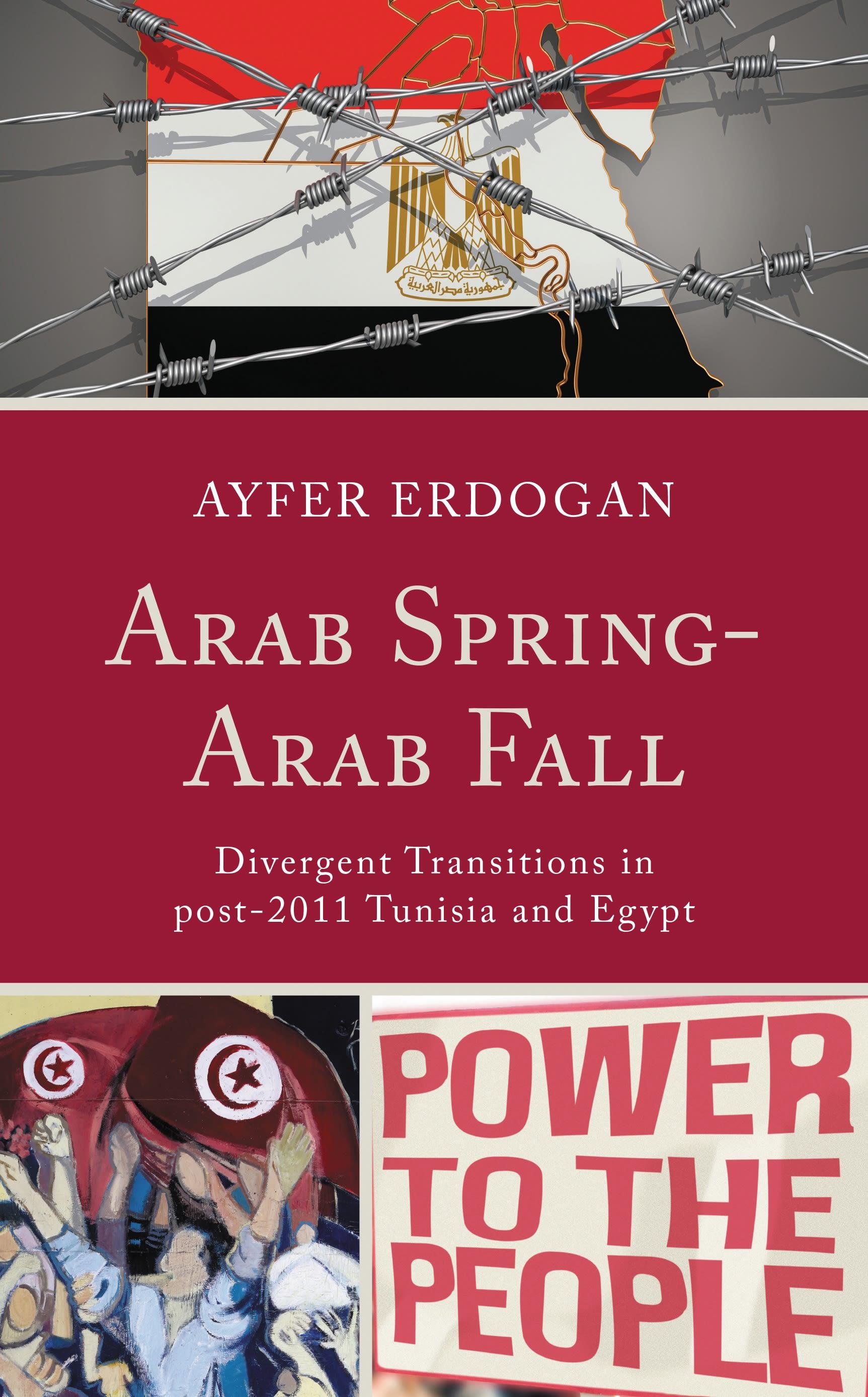
The popular protests in early 2011 were once seen as a turning point in the history of the Arab world, raising hopes for democracy, freedom, and justice in the Middle East. A decade after the uprisings, these hopes are largely dashed in each country swept by popular protests with the exception of Tunisia. Tunisia became the only democracy in the entire region while Egypt saw its first freely elected president and government thrown out by the army in a bloody coup which resulted in a regime that is no less authoritarian than Mubarak’s. This book provides a detailed analysis of the political, economic, and constitutional developments in Tunisia and Egypt. In the light of the existing literature on comparative democratization, the author explores why Egypt’s path to democratization was eroded by several transitional actors while Tunisian political elite managed to move the country towards democracy. The book centers its focus on the role of the political agents in designing the transition and explores the transitional period with respect to the interactions among the political elite and their cost-benefit assumptions, ideological interests, as well as their commitment to democratic processes.
Páginas: 284
Categoría: Statsvetenskap & Politik
e-ISBN: 9781793610683
Peso de envío: 1.2 kg
Envío en: 1-2 días
Paga fácilmente con tarjeta, Klarna, Apple Pay o Google Pay. ¿No estás contento? Siempre tienes 14 días de garantía de devolución. Lee más en nuestros términos. Si tienes preguntas, escríbenos a hello@memmo.org.
Memmo hace que estudiar sea más fácil, estés donde estés. Aquí tienes tus libros de texto y herramientas de estudio inteligentes en un solo lugar: resúmenes, quizzes, podcasts y flashcards. Y también a Ted, tu compañero de estudio que responde a todo lo que te preguntes. Más de 50 000 estudiantes ya estudian aquí. Está hecho para que aprendas más rápido y te estreses menos.