
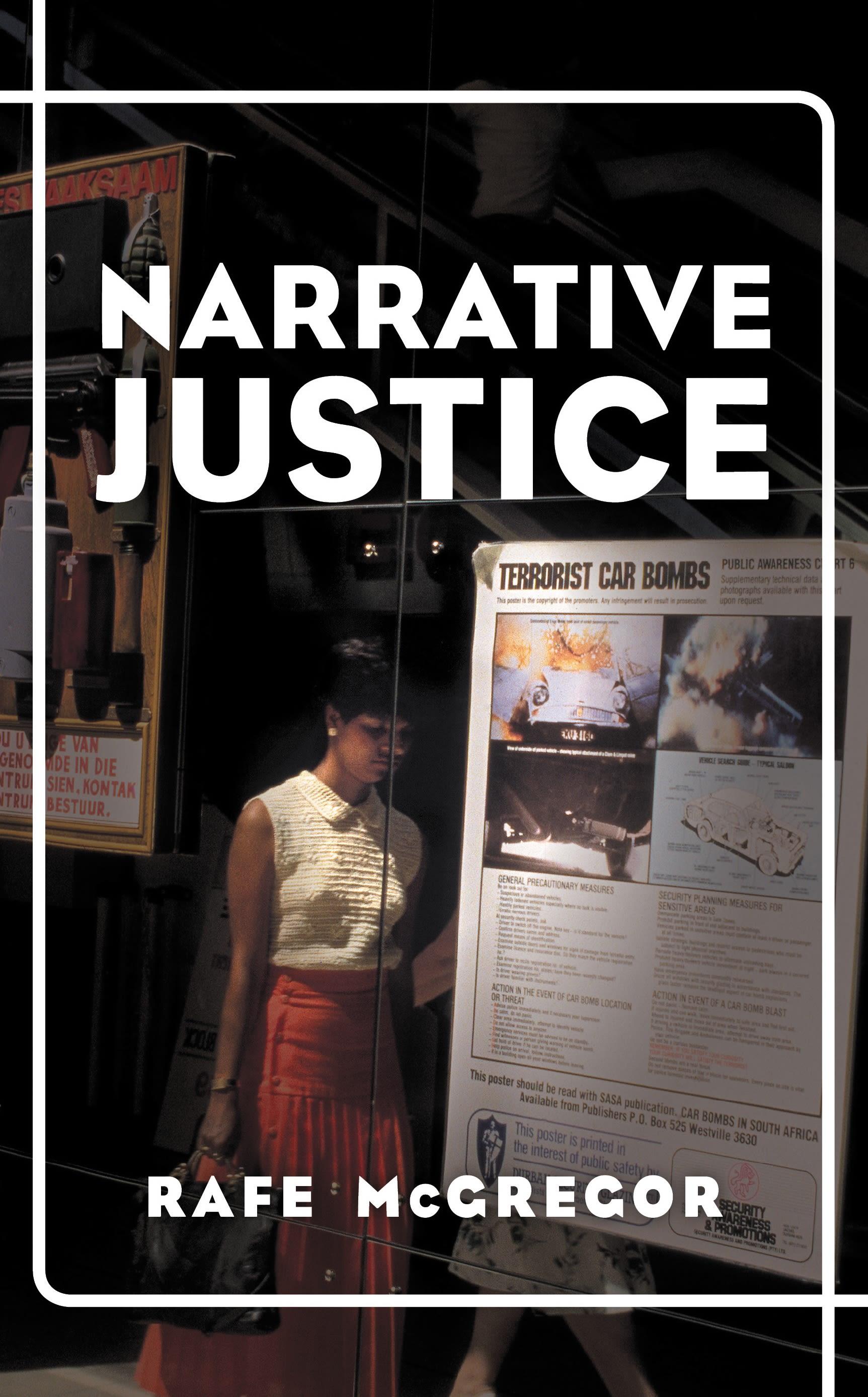
This book introduces narrative justice, a new theory of aesthetic education – the thesis that the cultivation of aesthetic or artistic sensibility can both improve moral character and achieve political justice. The author argues that there is a subcategory of narrative representations that provide moral knowledge regardless of their categorisation as fiction or non-fiction, and which therefore can be employed as a means of moral improvement. McGregor applies this narrative ethics to the criminology of inhumanity, including both crimes against humanity and terrorism. Expanding on the methodology of narrative criminology, he demonstrates that narrative representations can be employed to evaluate responsibility for inhumanity, to understand the psychology of inhumanity, and to undermine inhumanity – and are thus a means to the end of opposing injustice. He concludes that the cultivation of narrative sensibility is an important tool for both moral improvement and political justice.
Paga fácilmente con tarjeta, Klarna, Apple Pay o Google Pay. ¿No estás contento? Siempre tienes 14 días de garantía de devolución. Lee más en nuestros términos. Si tienes preguntas, escríbenos a hello@memmo.org.
Memmo hace que estudiar sea más fácil, estés donde estés. Aquí tienes tus libros de texto y herramientas de estudio inteligentes en un solo lugar: resúmenes, quizzes, podcasts y flashcards. Y también a Ted, tu compañero de estudio que responde a todo lo que te preguntes. Más de 50 000 estudiantes ya estudian aquí. Está hecho para que aprendas más rápido y te estreses menos.