
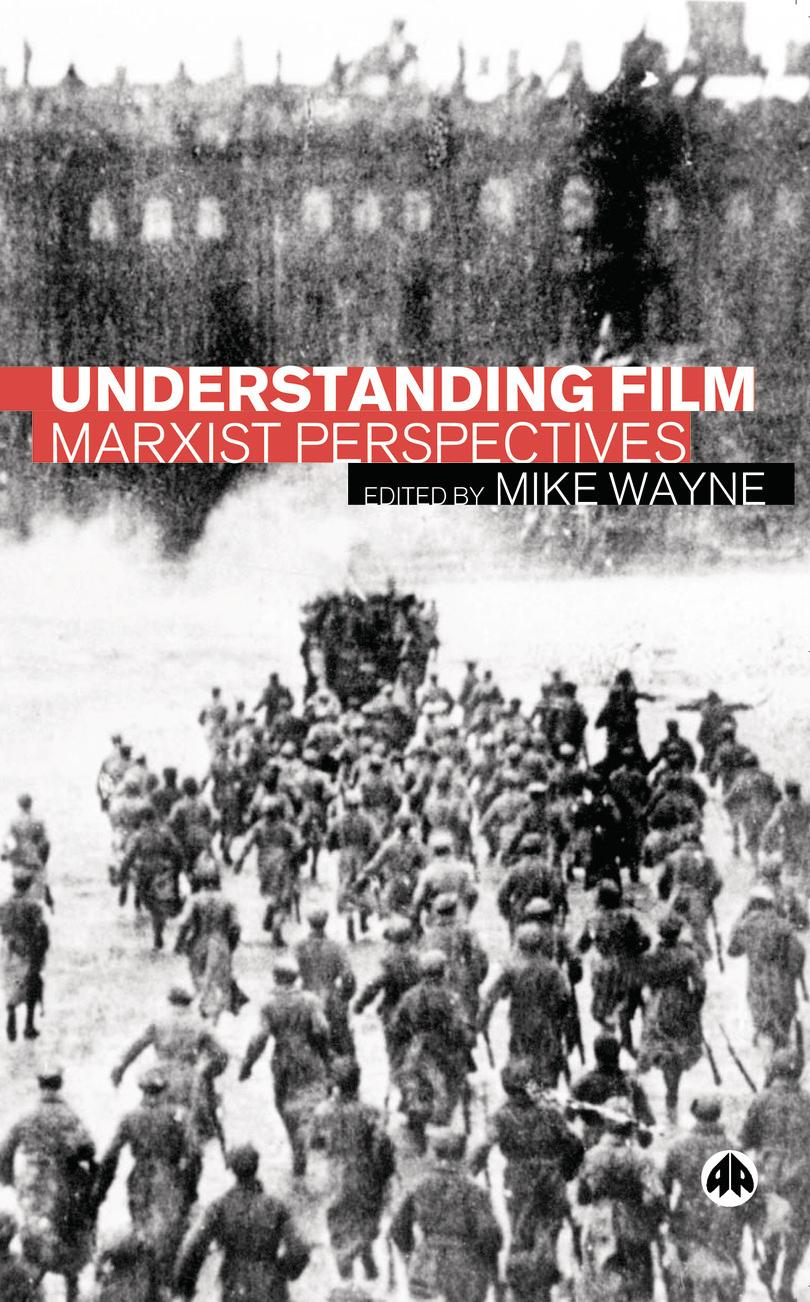
Film remains one of the most dominant cultural forms in the world today. Crossing classes and cultures, it permeates many aspects of our consciousness. In film, perhaps more than any other medium, we can read the politics of time and place, past and present.
The history of Marxism has intersected with film in many ways and this book is a timely reminder of the fruits of that intersection, in film theory and film practice. Marxist film theory returns to film studies some of the key concepts which make possible a truly radical, political understanding of the medium and its place both within capitalism and against it. This book shows how questions of ideology, technology and industry must be situated in relation to class - a category which academia is distinctly uncomfortable with.
Exploring the work of some of the key theorists who have influenced our understanding of film, such as Adorno, Althusser, Benjamin, Brecht, Gramsci, Jameson and others. It shows how films must be situated in their social and historical contexts, whether Hollywood, Russian, Cuban, Chinese or North Korean cinema. The authors explore the political contradictions and tensions within dominant cinema and discuss how Marxist filmmakers have pushed the medium in new and exciting directions.
The history of Marxism has intersected with film in many ways and this book is a timely reminder of the fruits of that intersection, in film theory and film practice. Marxist film theory returns to film studies some of the key concepts which make possible a truly radical, political understanding of the medium and its place both within capitalism and against it. This book shows how questions of ideology, technology and industry must be situated in relation to class - a category which academia is distinctly uncomfortable with.
Exploring the work of some of the key theorists who have influenced our understanding of film, such as Adorno, Althusser, Benjamin, Brecht, Gramsci, Jameson and others. It shows how films must be situated in their social and historical contexts, whether Hollywood, Russian, Cuban, Chinese or North Korean cinema. The authors explore the political contradictions and tensions within dominant cinema and discuss how Marxist filmmakers have pushed the medium in new and exciting directions.
Paga fácilmente con tarjeta, Klarna, Apple Pay o Google Pay. ¿No estás contento? Siempre tienes 14 días de garantía de devolución. Lee más en nuestros términos. Si tienes preguntas, escríbenos a hello@memmo.org.
Memmo hace que estudiar sea más fácil, estés donde estés. Aquí tienes tus libros de texto y herramientas de estudio inteligentes en un solo lugar: resúmenes, quizzes, podcasts y flashcards. Y también a Ted, tu compañero de estudio que responde a todo lo que te preguntes. Más de 50 000 estudiantes ya estudian aquí. Está hecho para que aprendas más rápido y te estreses menos.
También te podría gustar
Comprar el libro0