
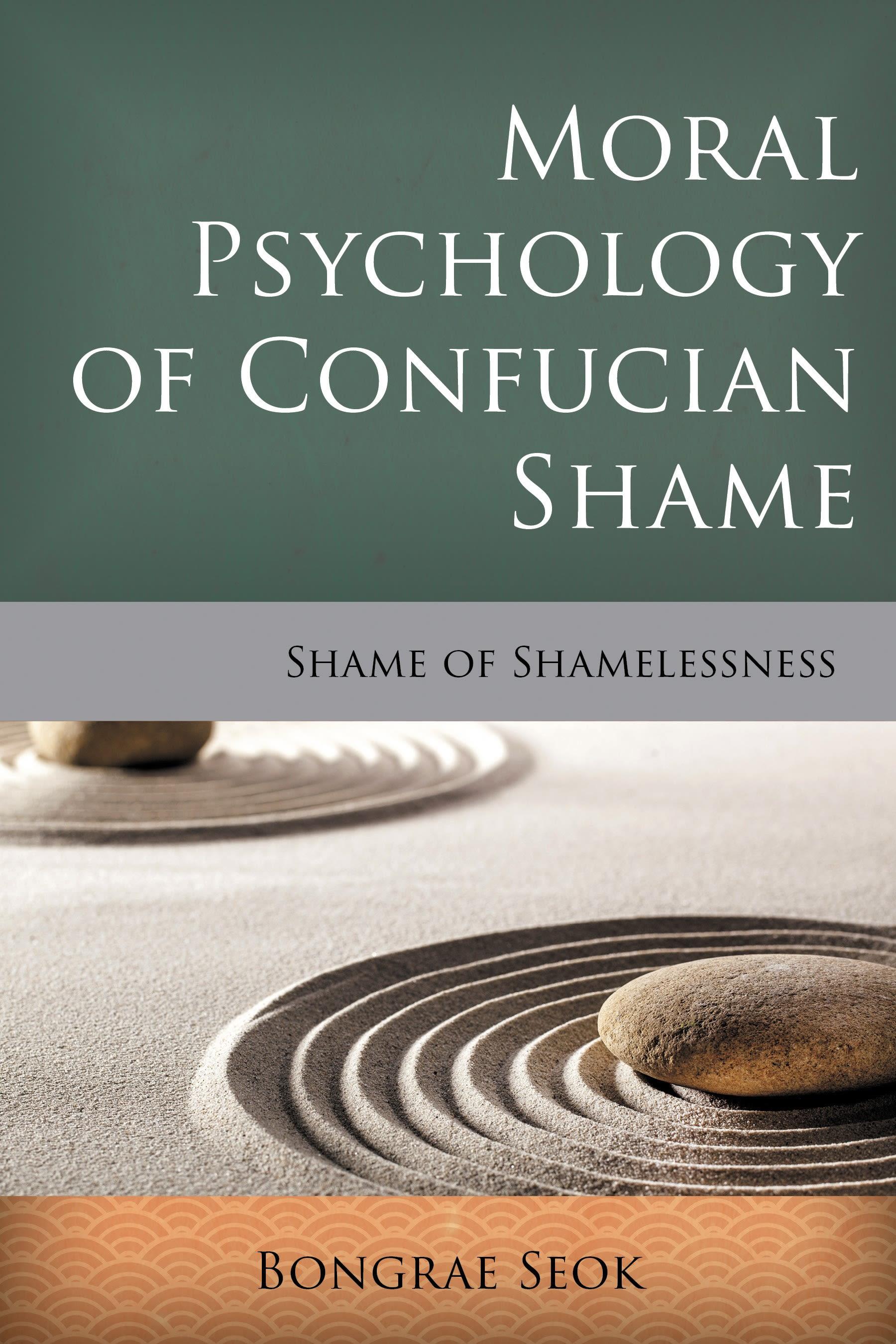
Early Confucian philosophers (notably Confucius and Mencius) emphasized moral significance of shame in self-cultivation and learning. In their discussion, shame is not just a painful sense of moral failure or transgression but also a moral disposition and a form of moral excellence (i.e., virtue) that is essential to Confucian self-cultivation.
In Moral Psychology of Confucian Shame, Bongrae Seok argues that shame is a genuine moral emotion and moral disposition.
Engaging with recent studies of social psychology, cultural psychology, biology, and anthropology, Seok explains that shame is a uniquely evolved form of moral emotion that is comparable to, but not identical with, guilt. The author goes on to develop an interpretation of Confucian shame that reveals the embodied, interactive, and transformative nature of the Confucian moral self.
In Moral Psychology of Confucian Shame, Bongrae Seok argues that shame is a genuine moral emotion and moral disposition.
Engaging with recent studies of social psychology, cultural psychology, biology, and anthropology, Seok explains that shame is a uniquely evolved form of moral emotion that is comparable to, but not identical with, guilt. The author goes on to develop an interpretation of Confucian shame that reveals the embodied, interactive, and transformative nature of the Confucian moral self.
Paga fácilmente con tarjeta, Klarna, Apple Pay o Google Pay. ¿No estás contento? Siempre tienes 14 días de garantía de devolución. Lee más en nuestros términos. Si tienes preguntas, escríbenos a hello@memmo.org.
Memmo hace que estudiar sea más fácil, estés donde estés. Aquí tienes tus libros de texto y herramientas de estudio inteligentes en un solo lugar: resúmenes, quizzes, podcasts y flashcards. Y también a Ted, tu compañero de estudio que responde a todo lo que te preguntes. Más de 50 000 estudiantes ya estudian aquí. Está hecho para que aprendas más rápido y te estreses menos.