
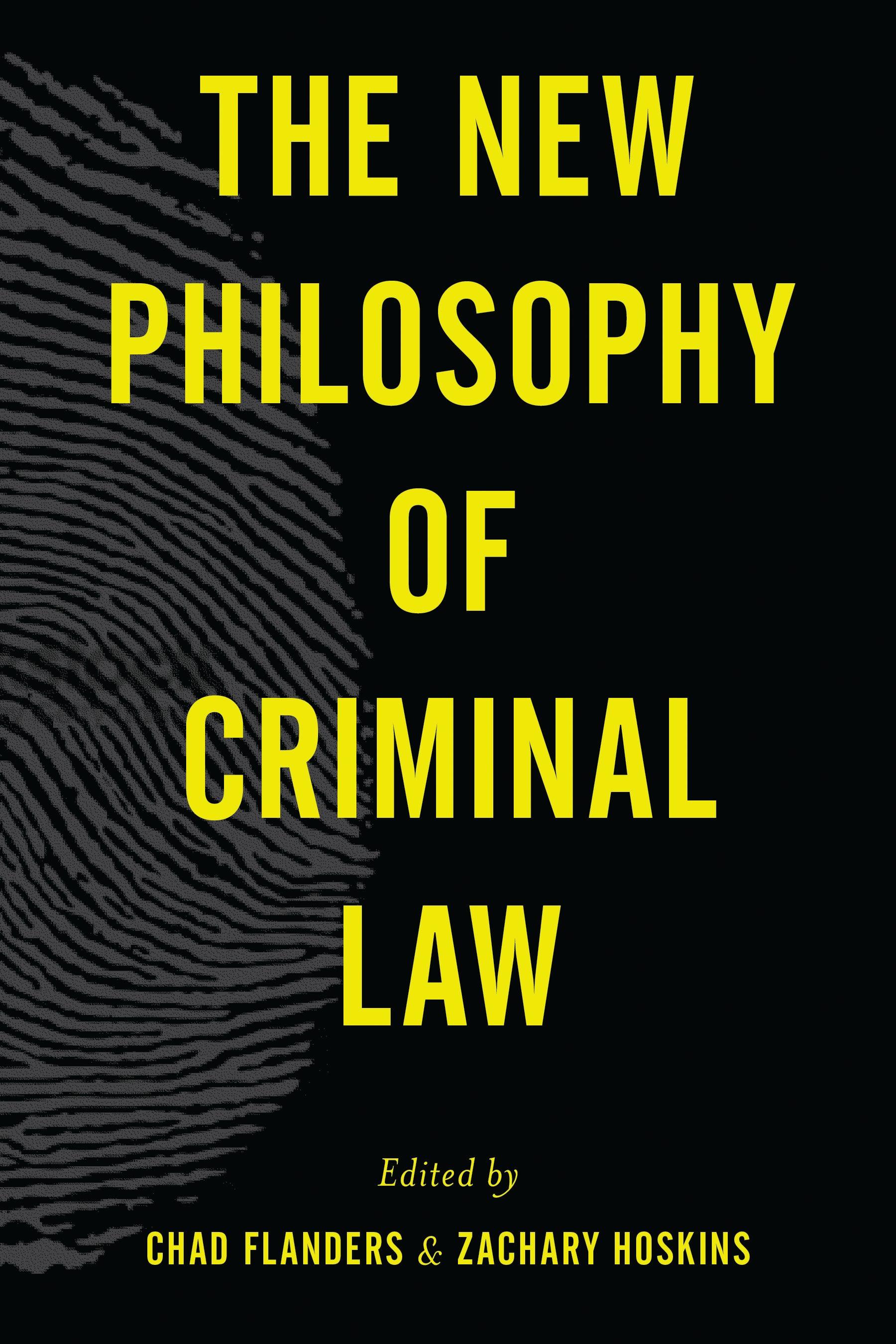
There is no more vivid example of a state’s power over its citizens than the criminal law. By criminalizing various behaviours, the state sets boundaries on what we can and cannot do. And the criminal law is in many ways unique in the harshness of its sanctions. But traditional criminal law theory has for too long focussed on the questions, “what is a crime?” and “what is the justification of punishment?” The significance of the criminal law extends beyond these questions; indeed, critical philosophical questions underlie all aspects of the criminal justice system. The criminal law engages us not just as offenders or potential offenders, but also as victims, suspects, judges and jurors, prosecutors and defenders—and as citizens.
The authors in this volume go beyond traditional questions to challenge our conventional understandings of the criminal law. In doing so, they draw from a number of disciplines including philosophy, history, and social science.
The authors in this volume go beyond traditional questions to challenge our conventional understandings of the criminal law. In doing so, they draw from a number of disciplines including philosophy, history, and social science.
Paga fácilmente con tarjeta, Klarna, Apple Pay o Google Pay. ¿No estás contento? Siempre tienes 14 días de garantía de devolución. Lee más en nuestros términos. Si tienes preguntas, escríbenos a hello@memmo.org.
Memmo hace que estudiar sea más fácil, estés donde estés. Aquí tienes tus libros de texto y herramientas de estudio inteligentes en un solo lugar: resúmenes, quizzes, podcasts y flashcards. Y también a Ted, tu compañero de estudio que responde a todo lo que te preguntes. Más de 50 000 estudiantes ya estudian aquí. Está hecho para que aprendas más rápido y te estreses menos.