
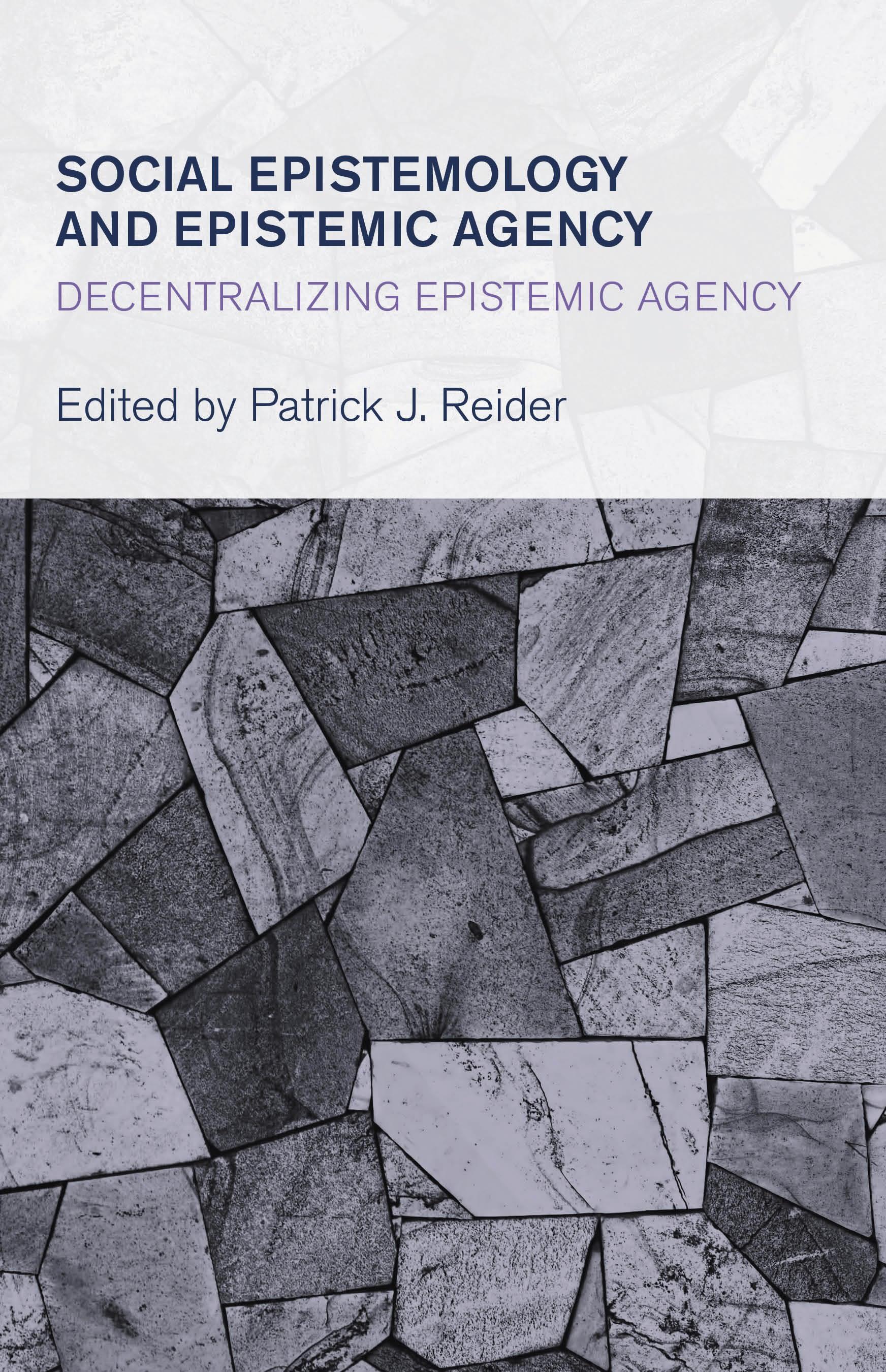
The field of epistemology is undergoing significant changes. Primary among these changes is an ever growing appreciation for the role social influences play on one’s ability to acquire and assess knowledge claims. Arguably, social epistemology’s greatest influence on traditional epistemology is its stance on de-centralizing the epistemic agent. In other words, its practitioners have actively sought to dispel the claim that individuals can be solely responsible for the assessment, acquisition, dissemination, and retention of knowledge. This view opposes traditional epistemology, which tends to focus on the individual’s capacity to form and access knowledge claims independent of his or her relationship to society.
Social Epistemology and Epistemic Agency is an essential resource for academics and students who ask, “in what manner does society engender its members with the ability to act as epistemic agents, what actions constitute epistemic agency, and what type of beings can be epistemic agents?”
Social Epistemology and Epistemic Agency is an essential resource for academics and students who ask, “in what manner does society engender its members with the ability to act as epistemic agents, what actions constitute epistemic agency, and what type of beings can be epistemic agents?”
Paga fácilmente con tarjeta, Klarna, Apple Pay o Google Pay. ¿No estás contento? Siempre tienes 14 días de garantía de devolución. Lee más en nuestros términos. Si tienes preguntas, escríbenos a hello@memmo.org.
Memmo hace que estudiar sea más fácil, estés donde estés. Aquí tienes tus libros de texto y herramientas de estudio inteligentes en un solo lugar: resúmenes, quizzes, podcasts y flashcards. Y también a Ted, tu compañero de estudio que responde a todo lo que te preguntes. Más de 50 000 estudiantes ya estudian aquí. Está hecho para que aprendas más rápido y te estreses menos.