
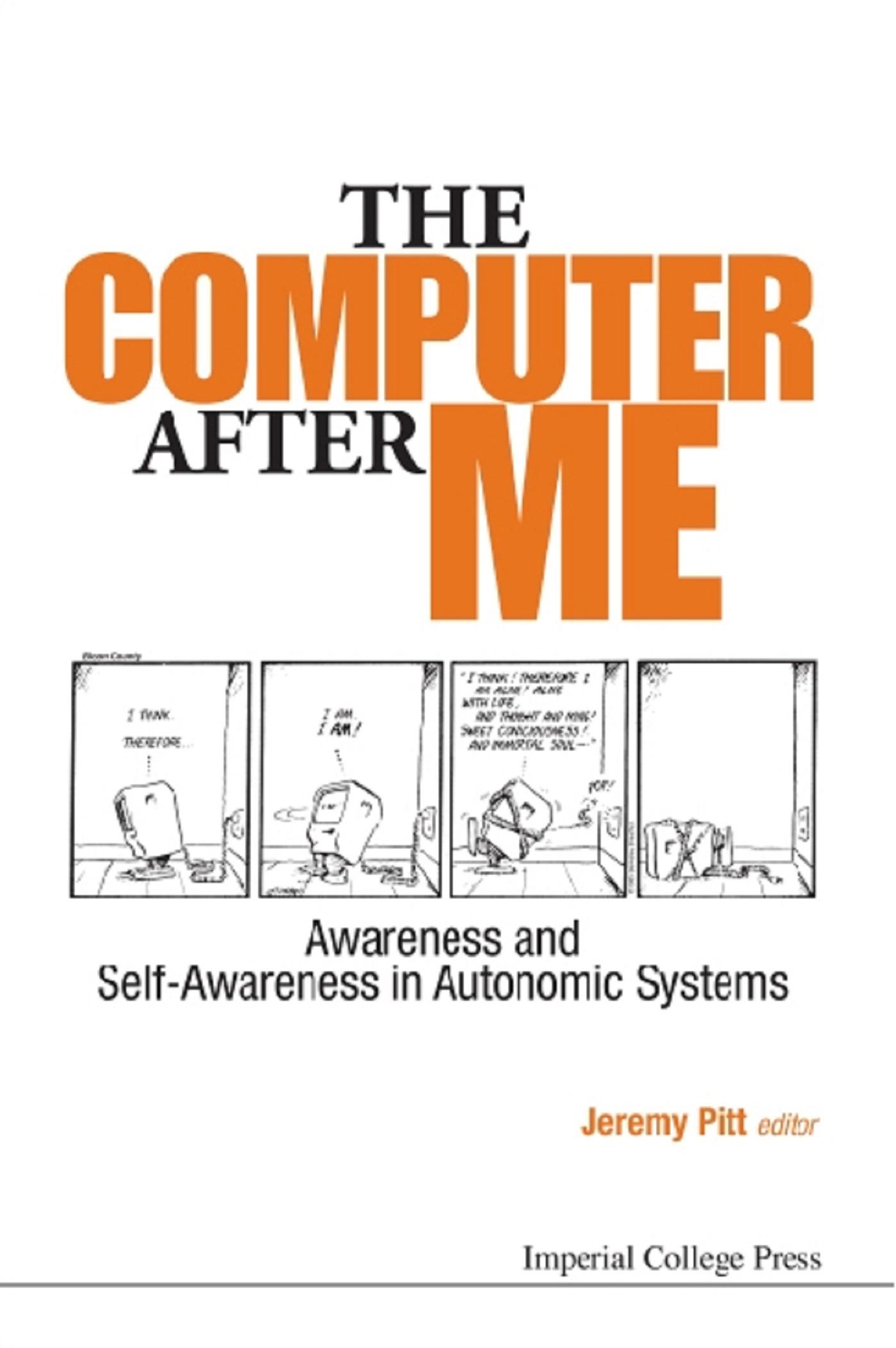
We are increasingly seeing computer systems which are expected to function without operator intervention. This is perhaps acceptable for running computer networks or traffic lights; however, we are now seeing computer systems deployed to qualitatively influence human judgments such as rulings on legal disputes or fitness for work to evaluate disability benefits. In keeping with the precautionary principle, it is important that those who are developing this capability — technologists and scientists — think through its potential implications.The aim of this book is to explore the technological and social and implications of computers and robots becoming increasingly ‘aware’ of their environment and the people in it, and their being increasingly ‘self-aware’ of their own existence within it.The wide-ranging scope of the text covers three different angles of the concept of ‘the computer after me’: (1) the next generation of computationally powerful aware systems; (2) systems in which the computer is aware of qualitatively impact human concerns such as law, health and rules; and (3) computers and robots which are aware of themselves.
Paga fácilmente con tarjeta, Klarna, Apple Pay o Google Pay. ¿No estás contento? Siempre tienes 14 días de garantía de devolución. Lee más en nuestros términos. Si tienes preguntas, escríbenos a hello@memmo.org.
Memmo hace que estudiar sea más fácil, estés donde estés. Aquí tienes tus libros de texto y herramientas de estudio inteligentes en un solo lugar: resúmenes, quizzes, podcasts y flashcards. Y también a Ted, tu compañero de estudio que responde a todo lo que te preguntes. Más de 50 000 estudiantes ya estudian aquí. Está hecho para que aprendas más rápido y te estreses menos.
También te podría gustar
Comprar el libro0