
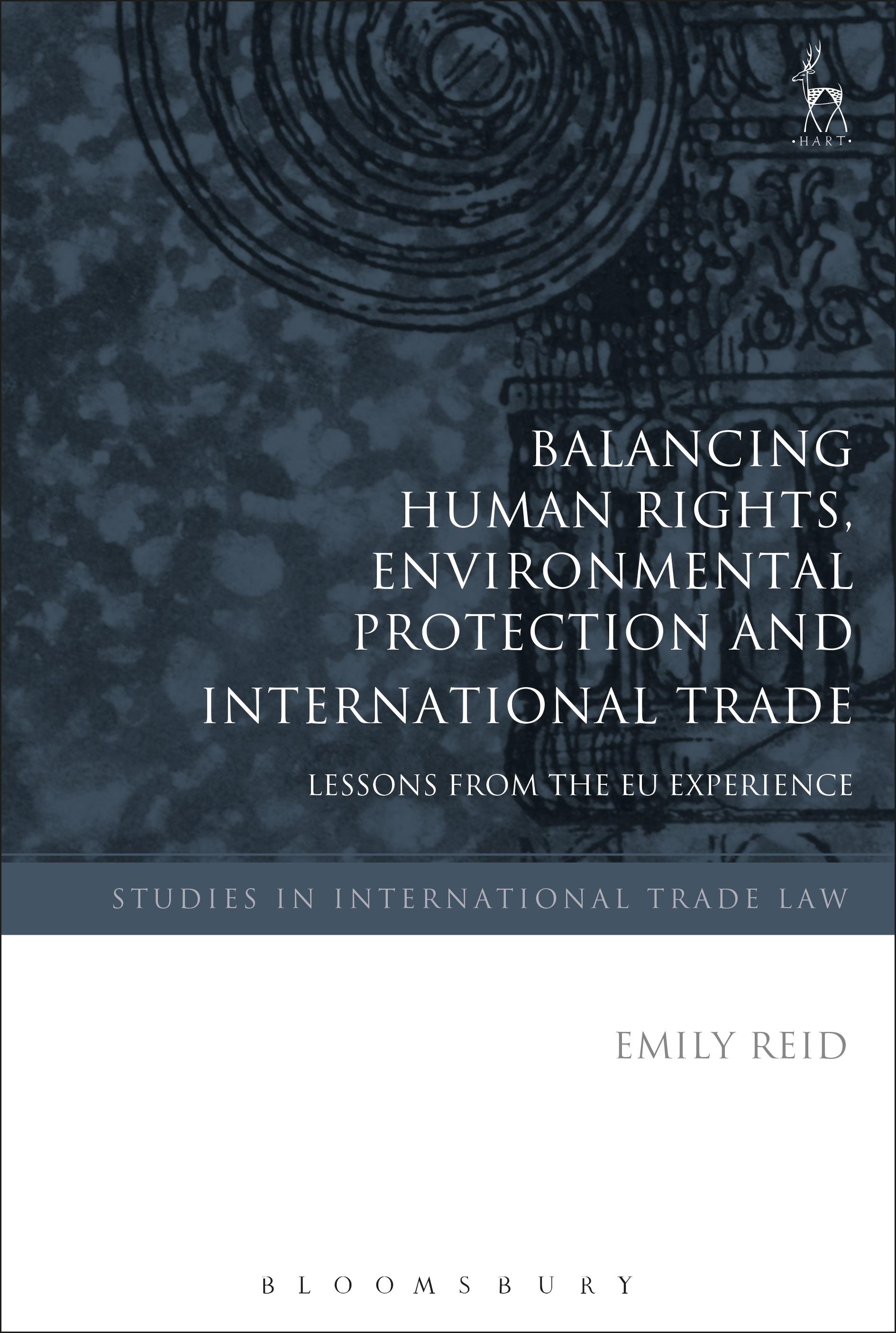
This book explores the means by which economic liberalisation can be reconciled with human rights and environmental protection in the regulation of international trade. It is primarily concerned with identifying the lessons the international community can learn, specifically in the context of the WTO, from decades of European Community and Union experience in facing this question. The book demonstrates first that it is possible to reconcile the pursuit of economic and non-economic interests, that the EU has found a mechanism by which to do so, and that the application of the principle of proportionality is fundamental to the realisation of this. It is argued that the EU approach can be characterised as a practical application of the principle of sustainable development. Secondly, from the analysis of the EU experience, this book identifies fundamental conditions crucial to achieving this 'reconciliation'. Thirdly, the book explores the implications of lessons from the EU experience for the international community. In so doing it assesses both the potential and limits of the existing international regulatory framework for such reconciliation. The book develops a deeper understanding of the inter-relationship between the legal regulation of economic and non-economic development, adding clarity to the debate in a controversial area. It argues that a more holistic approach to the consideration of 'development', encompassing economic and non-economic concerns - 'sustainable' development - is not only desirable in principle but realisable in practice.
Paga fácilmente con tarjeta, Klarna, Apple Pay o Google Pay. ¿No estás contento? Siempre tienes 14 días de garantía de devolución. Lee más en nuestros términos. Si tienes preguntas, escríbenos a hello@memmo.org.
Memmo hace que estudiar sea más fácil, estés donde estés. Aquí tienes tus libros de texto y herramientas de estudio inteligentes en un solo lugar: resúmenes, quizzes, podcasts y flashcards. Y también a Ted, tu compañero de estudio que responde a todo lo que te preguntes. Más de 50 000 estudiantes ya estudian aquí. Está hecho para que aprendas más rápido y te estreses menos.