
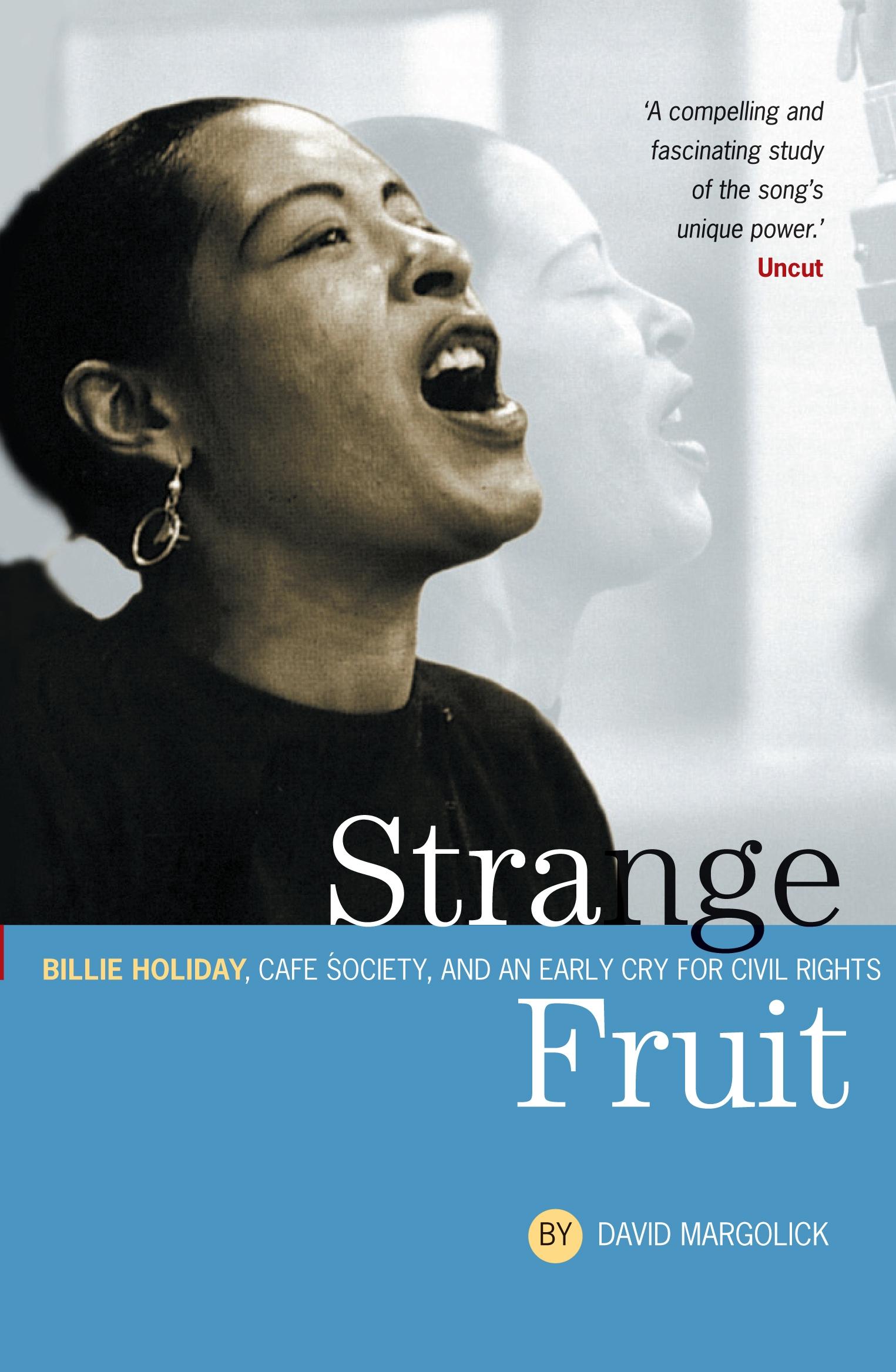
The story of the song that foretold a movement and the Lady who dared sing it.
Billie Holiday's signature tune, 'Strange Fruit', with its graphic and heart-wrenching portrayal of a lynching in the South, brought home the evils of racism as well as being an inspiring mark of resistance.
The song's powerful, evocative lyrics - written by a Jewish communist schoolteacher - portray the lynching of a black man in the South. In 1939, its performance sparked controversy (and sometimes violence) wherever Billie Holiday went. Not until sixteen years later did Rosa Parks refuse to yield her seat on a Montgomery, Alabama bus. Yet 'Strange Fruit' lived on, and Margolick chronicles its effect on those who experienced it first-hand: musicians, artists, journalists, intellectuals, students, budding activists, even the waitresses and bartenders who worked the clubs.
Paga fácilmente con tarjeta, Klarna, Apple Pay o Google Pay. ¿No estás contento? Siempre tienes 14 días de garantía de devolución. Lee más en nuestros términos. Si tienes preguntas, escríbenos a hello@memmo.org.
Memmo hace que estudiar sea más fácil, estés donde estés. Aquí tienes tus libros de texto y herramientas de estudio inteligentes en un solo lugar: resúmenes, quizzes, podcasts y flashcards. Y también a Ted, tu compañero de estudio que responde a todo lo que te preguntes. Más de 50 000 estudiantes ya estudian aquí. Está hecho para que aprendas más rápido y te estreses menos.