
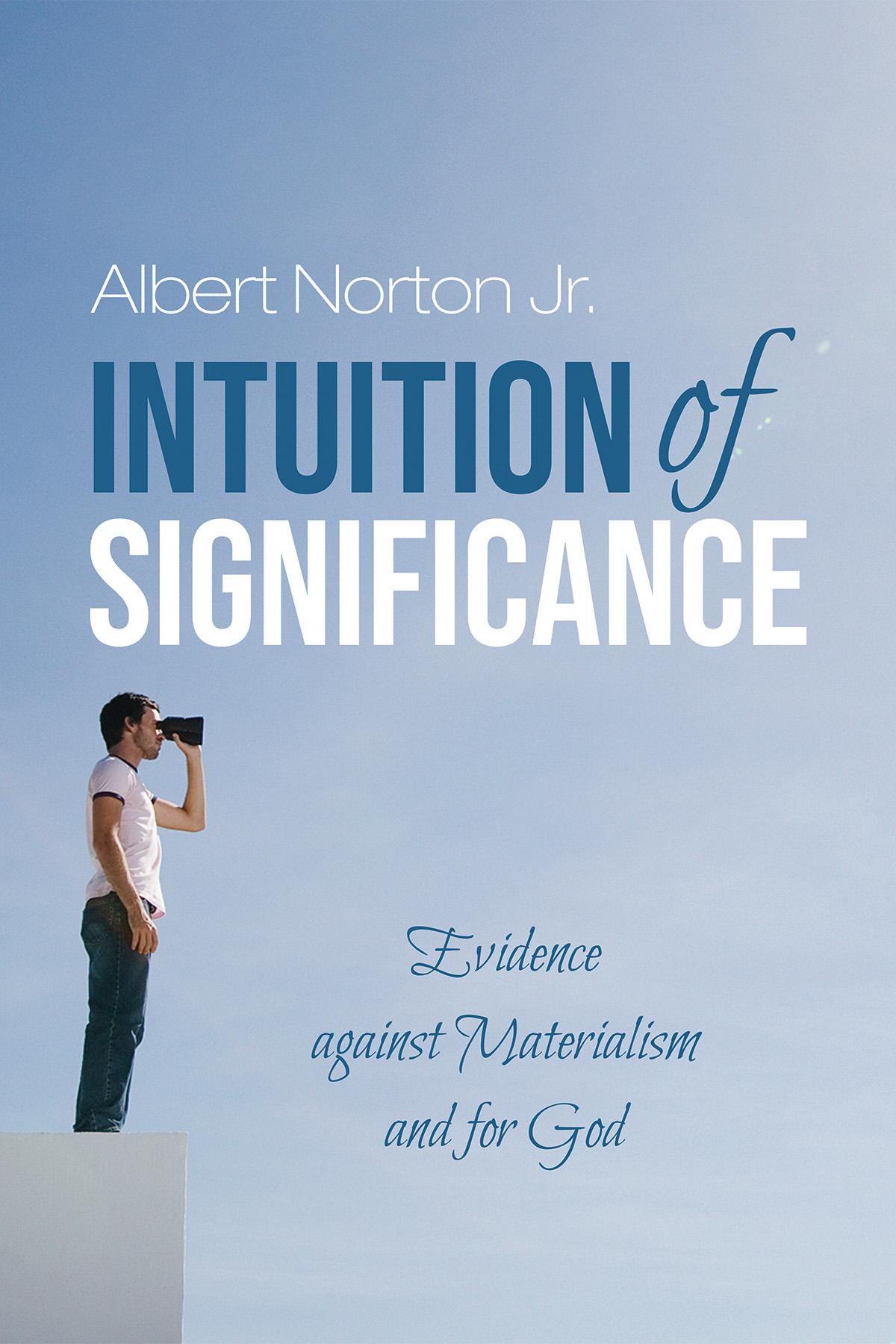
There is a big gap between the orthodox Christian understanding of reality, and that of the default materialism of the culture. We tend not to recognize the default perspective as coherent, doctrinal, and dogmatic, in the same way religion is understood to be. This is partly because of the tendency to describe one's views by what they are not, rather than what they are. To say "I'm not very religious," for example, is to say what one isn't, not what one is. The effect of this tendency is to obscure the metaphysical stance absorbed in place of religion, leaving an illusory neutrality concerning spiritual truth.
Reality is the widest conceptual net we can cast. The right first question is: what constitutes all of reality? Theism provides one answer, materialism another. We would do well to look critically at both. This book traces the fault line between theism and materialism so as to follow the evidence where it leads--evidence like the fact of being; our incessant yearning; our competing desires both for significance and insignificance; and the subjective motivations we have with respect to beauty, truth, and morality, all indicators of transcendent truth to which our physical surroundings point.
Paga fácilmente con tarjeta, Klarna, Apple Pay o Google Pay. ¿No estás contento? Siempre tienes 14 días de garantía de devolución. Lee más en nuestros términos. Si tienes preguntas, escríbenos a hello@memmo.org.
Memmo hace que estudiar sea más fácil, estés donde estés. Aquí tienes tus libros de texto y herramientas de estudio inteligentes en un solo lugar: resúmenes, quizzes, podcasts y flashcards. Y también a Ted, tu compañero de estudio que responde a todo lo que te preguntes. Más de 50 000 estudiantes ya estudian aquí. Está hecho para que aprendas más rápido y te estreses menos.
También te podría gustar
Comprar el libro0