
On Christmas Eve in 1909, twenty-one-year-old Kagawa Toyohiko (1888-1960) rented a room in Kōbe's worst slum where, apart from two years of study in the United States, he remained with his wife and co-worker Haru for more than ten years. They engaged in pastoral work, evangelism, social reform movements, and literary activities, founding numerous institutions that are still in operation today.
After publishing a best-selling novel in 1920, Kagawa began to draw the attention of people from around Japan and the world. His literary output was prodigious, amounting to more than 300 books. Often compared with his contemporaries Mahatma Gandhi and Albert Schweitzer, Kagawa was nominated twice for the Nobel Prize in Literature (1947, 1948) and three times for the Nobel Peace Prize (1954, 1955, 1956).
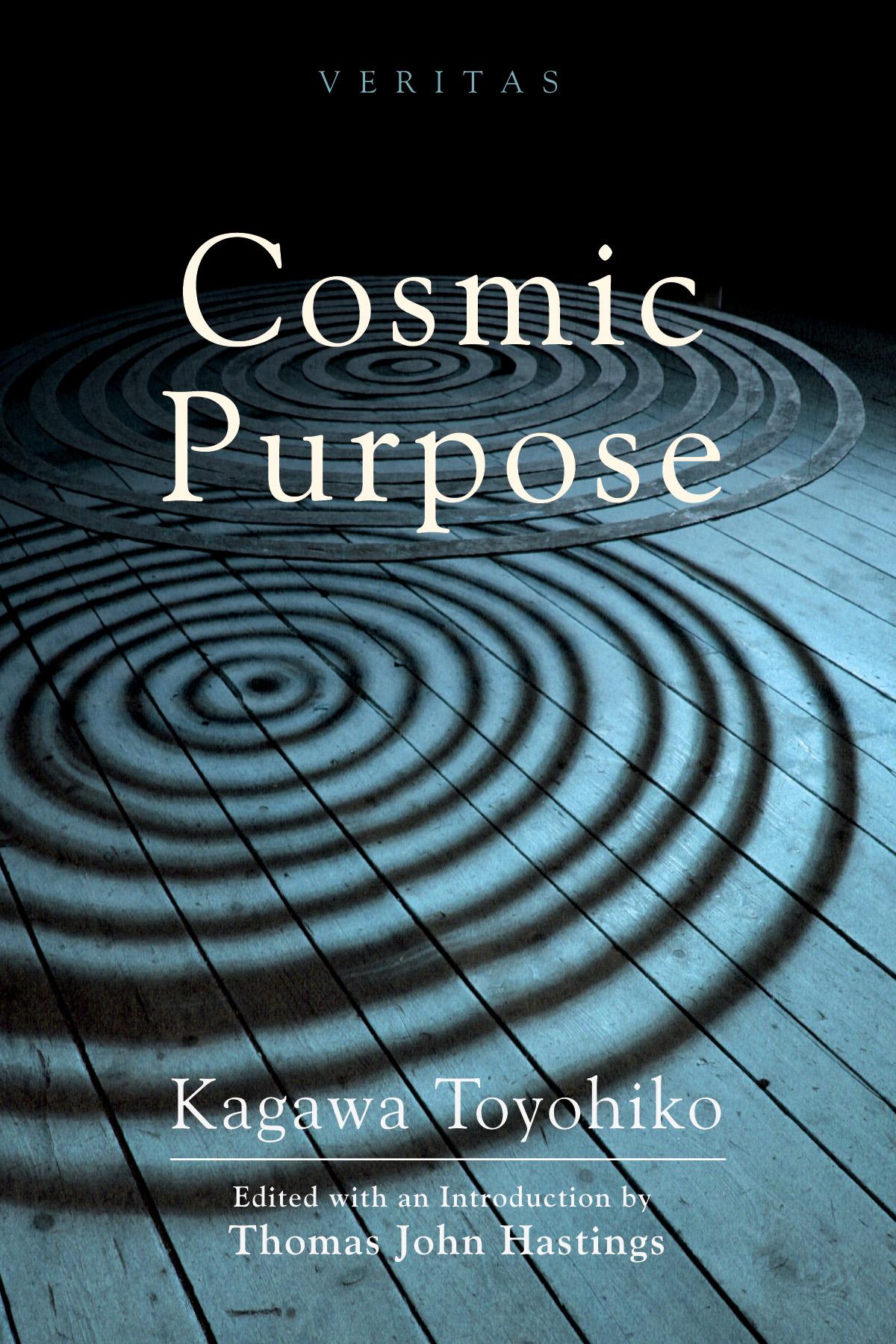
Challenging the materialism of Charles Darwin and the claim of H. G. Wells that "we must give up any idea that evolution is purposeful," Cosmic Purpose draws on research in physics, chemistry, astrophysics, mineralogy, genetics, and biology to offer evidence of purpose in the vast span of evolutionary history from the atom to human consciousness. In his attempt to renew our sense of wonder at this process, Kagawa proposes a "logic of finality" that links life to purpose.
Páginas: 282
Categoría: Vetenskapsteori och forskningsmetod
e-ISBN: 9781725249189
Peso de envío: 1.2 kg
Envío en: 1-2 días
Paga fácilmente con tarjeta, Klarna, Apple Pay o Google Pay. ¿No estás contento? Siempre tienes 14 días de garantía de devolución. Lee más en nuestros términos. Si tienes preguntas, escríbenos a hello@memmo.org.
Memmo hace que estudiar sea más fácil, estés donde estés. Aquí tienes tus libros de texto y herramientas de estudio inteligentes en un solo lugar: resúmenes, quizzes, podcasts y flashcards. Y también a Ted, tu compañero de estudio que responde a todo lo que te preguntes. Más de 50 000 estudiantes ya estudian aquí. Está hecho para que aprendas más rápido y te estreses menos.
También te podría gustar
Comprar el libro0