
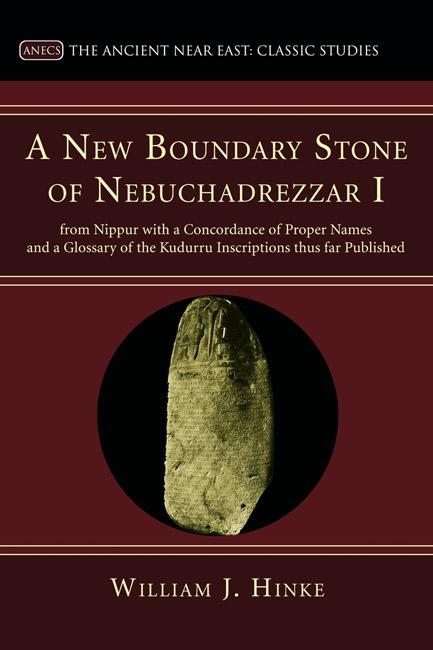
The remains of ancient societies often require decades to unearth, but much longer to interpret and understand. The methods of archaeology have progressed dramatically in recent years. Archaeologists have continuously refined their tools, methods, and techniques. Today archaeology is characterized by pottery identification, classification, and cataloging; disciplined excavation of "squares"; use of sophisticated electronics, such as GPS, infrared, and computer-aided design; and the integration of multiple methodologies, such as epigraphy, art history, physical anthropology, paleobotany, and climatology.
The interpretation of ancient Near Eastern history and cultures has also progressed. An increasing number of documents has been unearthed. The vast document collections from Tel el-Amarna, Nippur, Mari, Nuzi, Ebla, Ugarit, and the Dead Sea caves are just some of the more spectacular examples. These provide an enormous amount of detail about royal administrations, business transactions, land tenure systems, taxes, political propaganda, mythologies, marriage practices, and much more. And things that sometimes seem unique about one culture at first look often fit into larger patterns of relationship when the surrounding cultures are better understood.
The Ancient Near East: Classic Studies (ANECS) reprints classic works that have brought the results of archaeology, textual, and historical investigations to audiences of scholars, students, and the general public. While the discussions continue and the results of earlier investigations are continuously re-examined, these classic works remain of interest and importance.
K. C. HANSON Series Editor
The interpretation of ancient Near Eastern history and cultures has also progressed. An increasing number of documents has been unearthed. The vast document collections from Tel el-Amarna, Nippur, Mari, Nuzi, Ebla, Ugarit, and the Dead Sea caves are just some of the more spectacular examples. These provide an enormous amount of detail about royal administrations, business transactions, land tenure systems, taxes, political propaganda, mythologies, marriage practices, and much more. And things that sometimes seem unique about one culture at first look often fit into larger patterns of relationship when the surrounding cultures are better understood.
The Ancient Near East: Classic Studies (ANECS) reprints classic works that have brought the results of archaeology, textual, and historical investigations to audiences of scholars, students, and the general public. While the discussions continue and the results of earlier investigations are continuously re-examined, these classic works remain of interest and importance.
K. C. HANSON Series Editor
Páginas: 362
Categoría: Arkeologi & Antikvetenskap
e-ISBN: 9781725227002
Peso de envío: 1.2 kg
Envío en: 1-2 días
Paga fácilmente con tarjeta, Klarna, Apple Pay o Google Pay. ¿No estás contento? Siempre tienes 14 días de garantía de devolución. Lee más en nuestros términos. Si tienes preguntas, escríbenos a hello@memmo.org.
Memmo hace que estudiar sea más fácil, estés donde estés. Aquí tienes tus libros de texto y herramientas de estudio inteligentes en un solo lugar: resúmenes, quizzes, podcasts y flashcards. Y también a Ted, tu compañero de estudio que responde a todo lo que te preguntes. Más de 50 000 estudiantes ya estudian aquí. Está hecho para que aprendas más rápido y te estreses menos.
También te podría gustar
Comprar el libro0