
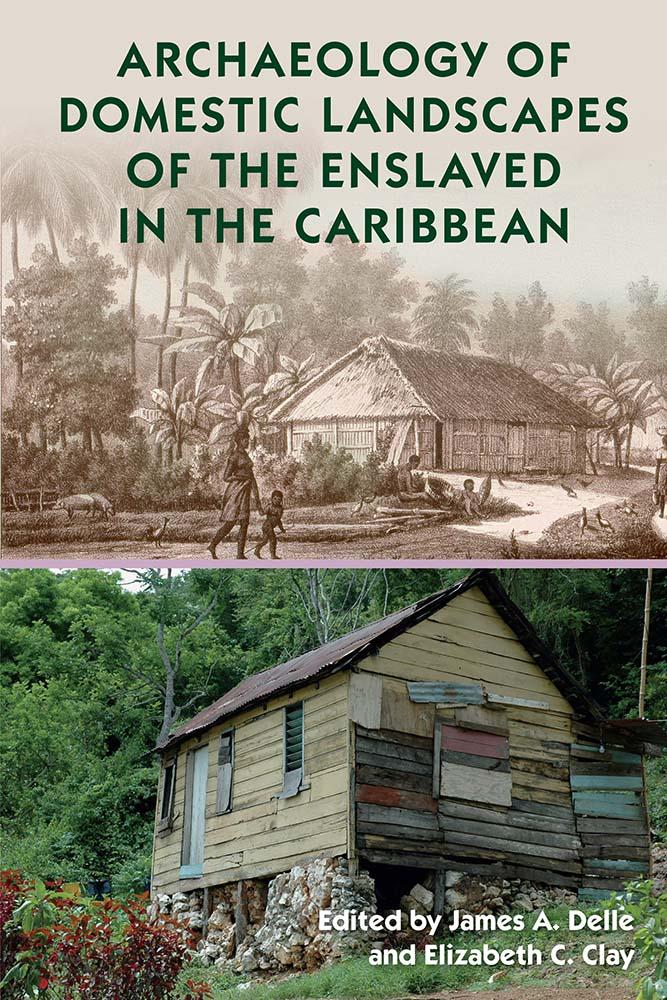
While previous research on household archaeology in the colonial Caribbean has drawn heavily on artifact analysis, this volume provides the first in-depth examination of the architecture of slave housing during this period. It examines the considerations that went into constructing and inhabiting living spaces for the enslaved and reveals the diversity of people and practices in these settings.
Contributors present case studies using written descriptions, period illustrations, and standing architecture, in addition to archaeological evidence to illustrate the wide variety of built environments for enslaved populations in places including Jamaica, the Bahamas, and the islands of the Lesser Antilles. They investigate how the enslaved defined their social positions and identities through house, yard, and garden space; they explore what daily life was like for slaves on military compounds; they compare the spatial arrangements of slave villages on plantations based on type of labor; and they show how the style of traditional laborer houses became a form of vernacular architecture still in use today. This volume expands our understanding of the wide range of enslaved experiences across British, French, Dutch, and Danish colonies.
Publication of the paperback edition made possible by a Sustaining the Humanities through the American Rescue Plan grant from the National Endowment for the Humanities.
Paga fácilmente con tarjeta, Klarna, Apple Pay o Google Pay. ¿No estás contento? Siempre tienes 14 días de garantía de devolución. Lee más en nuestros términos. Si tienes preguntas, escríbenos a hello@memmo.org.
Memmo hace que estudiar sea más fácil, estés donde estés. Aquí tienes tus libros de texto y herramientas de estudio inteligentes en un solo lugar: resúmenes, quizzes, podcasts y flashcards. Y también a Ted, tu compañero de estudio que responde a todo lo que te preguntes. Más de 50 000 estudiantes ya estudian aquí. Está hecho para que aprendas más rápido y te estreses menos.