
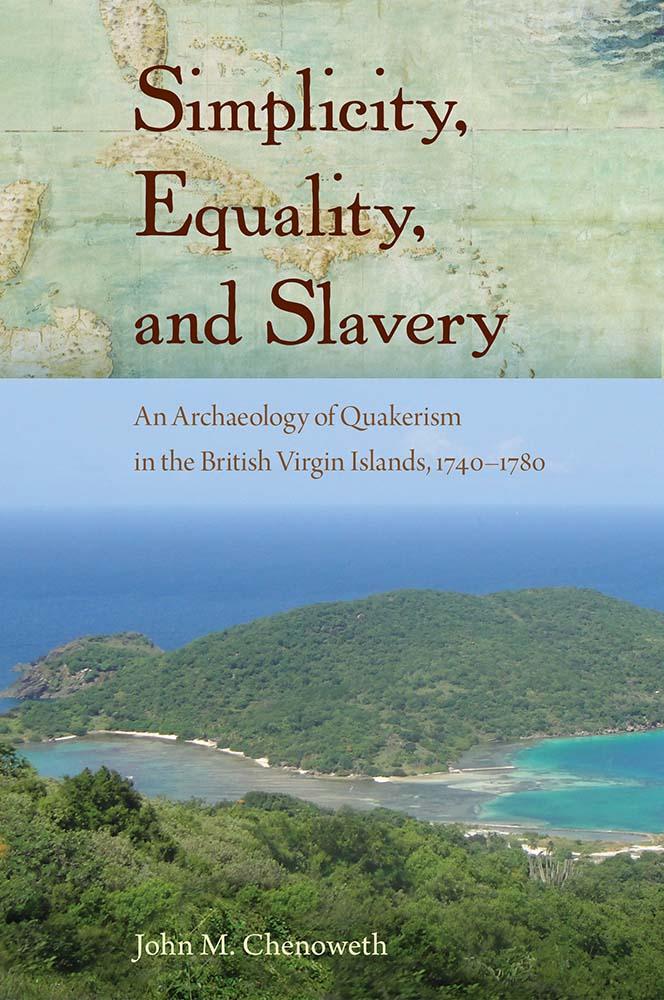
Inspired by the Quaker ideals of simplicity, equality, and peace, a group of white planters formed a community in the British Virgin Islands during the eighteenth century. Yet they lived in a slave society, and nearly all their members held enslaved people. In this book, John Chenoweth examines how the community navigated the contradictions of Quakerism and plantation ownership.
Using archaeological and archival information, Chenoweth reveals how a web of connections led to the community's establishment, how Quaker religious practices intersected with other aspects of daily life in the Caribbean, and how these practices were altered to fit a slavery-based economy and society. He also examines how dissent and schism eventually brought about the end of the community after just one generation. This is a fascinating study of the ways religious ideals can be interpreted in everyday practice to adapt to different local contexts.
A volume in the Florida Museum of Natural History: Ripley P. Bullen SeriesPaga fácilmente con tarjeta, Klarna, Apple Pay o Google Pay. ¿No estás contento? Siempre tienes 14 días de garantía de devolución. Lee más en nuestros términos. Si tienes preguntas, escríbenos a hello@memmo.org.
Memmo hace que estudiar sea más fácil, estés donde estés. Aquí tienes tus libros de texto y herramientas de estudio inteligentes en un solo lugar: resúmenes, quizzes, podcasts y flashcards. Y también a Ted, tu compañero de estudio que responde a todo lo que te preguntes. Más de 50 000 estudiantes ya estudian aquí. Está hecho para que aprendas más rápido y te estreses menos.