
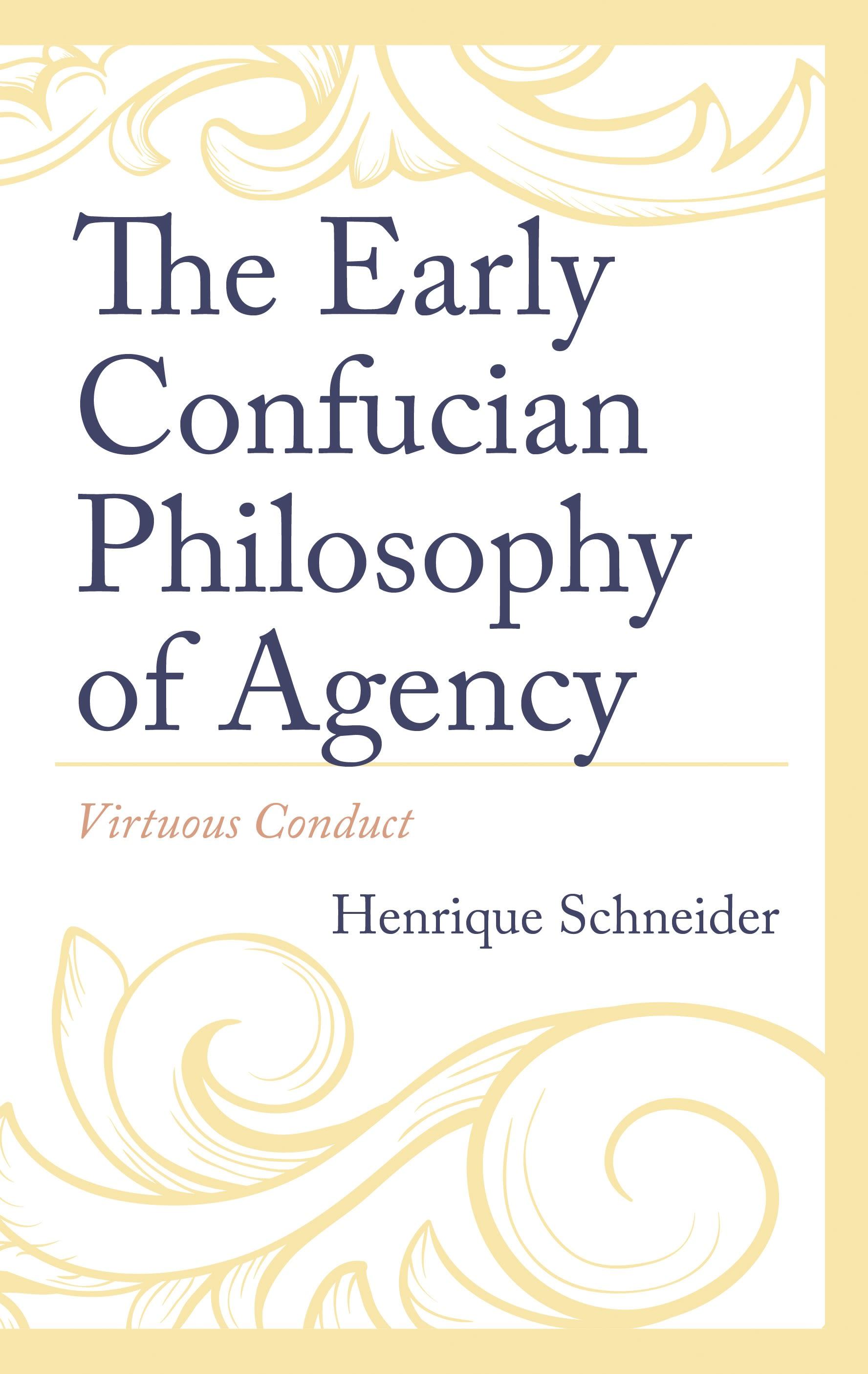
Henrique Schneider argues that understanding the three Early Confucian thinkers—Confucius, Mencius, and Xunzi—as virtue-ethicists, political philosophers, or social conservatives proves too narrow. Championing a broader and more philosophical reading, The Early Confucian Philosophy of Agency: Virtuous Conduct sheds new light on a well-established topic. Virtuous conduct—aligning actions and motivations with virtues, social roles, and rituals—is the philosophy of agency of Early Confucianism. Confucius, Mencius, and Xunzi share a common philosophy of agency, which does more than describe agents and acts: it also represents a progressive social and political program. Schneider characterizes Early Confucianism as a progressive philosophy due to its human-centered program for social reform, its process view of self-cultivation, and its development. Agents who cultivate themselves can produce virtuous conduct, flourish, and become Junzi. This lets them lead each other in self-cultivation, social environment, and polity. As such, virtuous conduct integrates ethics, social and political philosophy in a theory of action.
Paga fácilmente con tarjeta, Klarna, Apple Pay o Google Pay. ¿No estás contento? Siempre tienes 14 días de garantía de devolución. Lee más en nuestros términos. Si tienes preguntas, escríbenos a hello@memmo.org.
Memmo hace que estudiar sea más fácil, estés donde estés. Aquí tienes tus libros de texto y herramientas de estudio inteligentes en un solo lugar: resúmenes, quizzes, podcasts y flashcards. Y también a Ted, tu compañero de estudio que responde a todo lo que te preguntes. Más de 50 000 estudiantes ya estudian aquí. Está hecho para que aprendas más rápido y te estreses menos.