
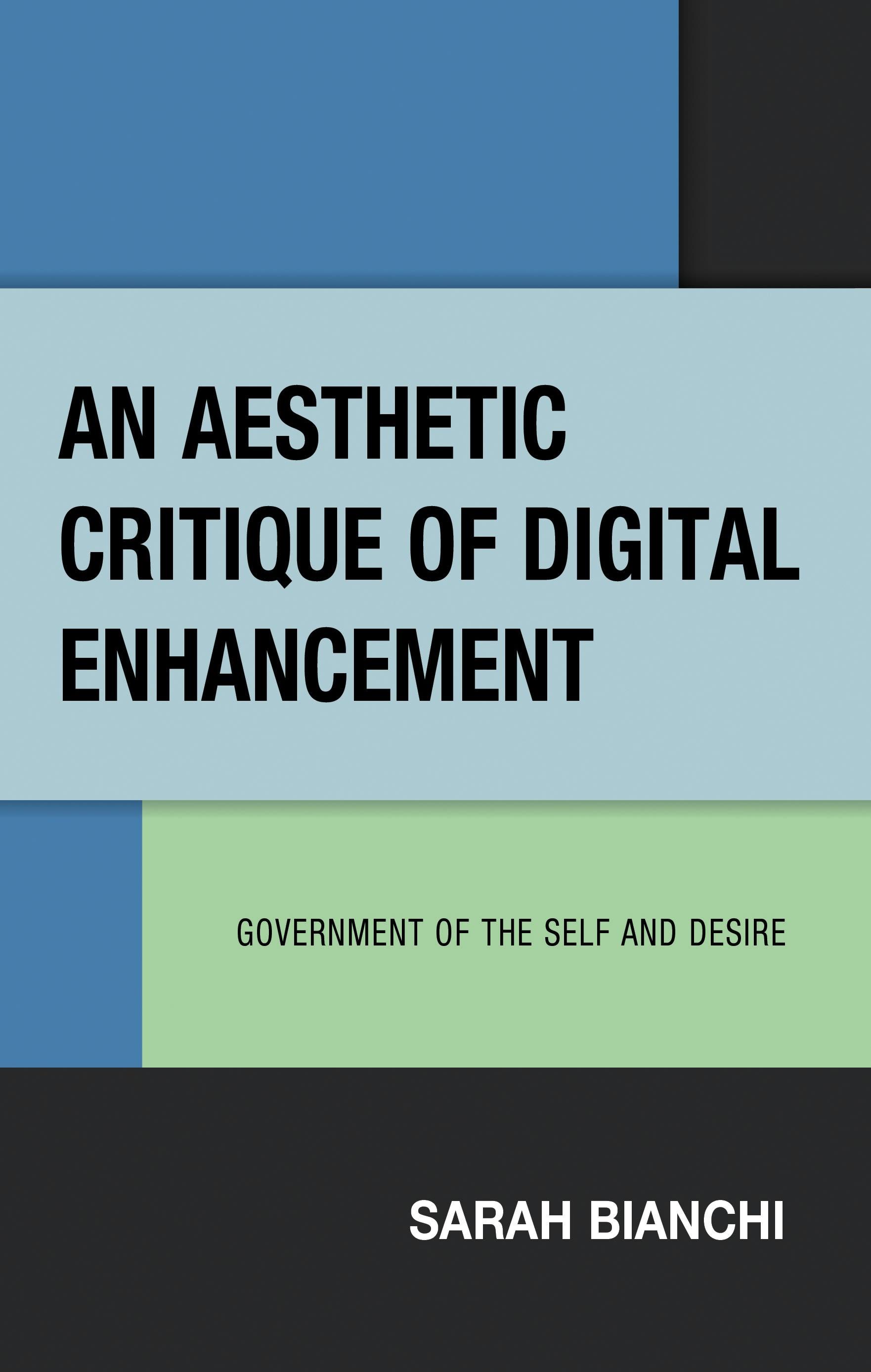
The socio-cultural phenomenon of digital enhancement, that is, the attempt to perfect the subject’s offline life by means of digital media, seduces people into participating in digitalization. Subjects paradoxically want to participate in digital change even though it is well known that digitalization also impairs their freedom and privacy, and this book investigates both the freedom-impairing and the freedom-enhancing aspects of digital enhancement. Sarah Bianchi provides an empirically informed critical aesthetic diagnosis, a perspective that makes the overlooked affect- and power-sensitive Janus face of subjectivity in digital enhancement perceivable: the subjects’ desire to be governed by the logic of perfection—that is, the heart of digital enhancement—and their simultaneous desire for self-government. To this end, An Aesthetic Critique of Digital Enhancement: Government of the Self and Desire makes Foucault’s “history of the present” in its Nietzschean genealogy productive for contemporary critical thought on digital enhancement. Through genealogical critique, this approach provides the needed semantics to question the costs of our digital present and to conceptualize how an enlightened agency might be critically constructed.
Paga fácilmente con tarjeta, Klarna, Apple Pay o Google Pay. ¿No estás contento? Siempre tienes 14 días de garantía de devolución. Lee más en nuestros términos. Si tienes preguntas, escríbenos a hello@memmo.org.
Memmo hace que estudiar sea más fácil, estés donde estés. Aquí tienes tus libros de texto y herramientas de estudio inteligentes en un solo lugar: resúmenes, quizzes, podcasts y flashcards. Y también a Ted, tu compañero de estudio que responde a todo lo que te preguntes. Más de 50 000 estudiantes ya estudian aquí. Está hecho para que aprendas más rápido y te estreses menos.