
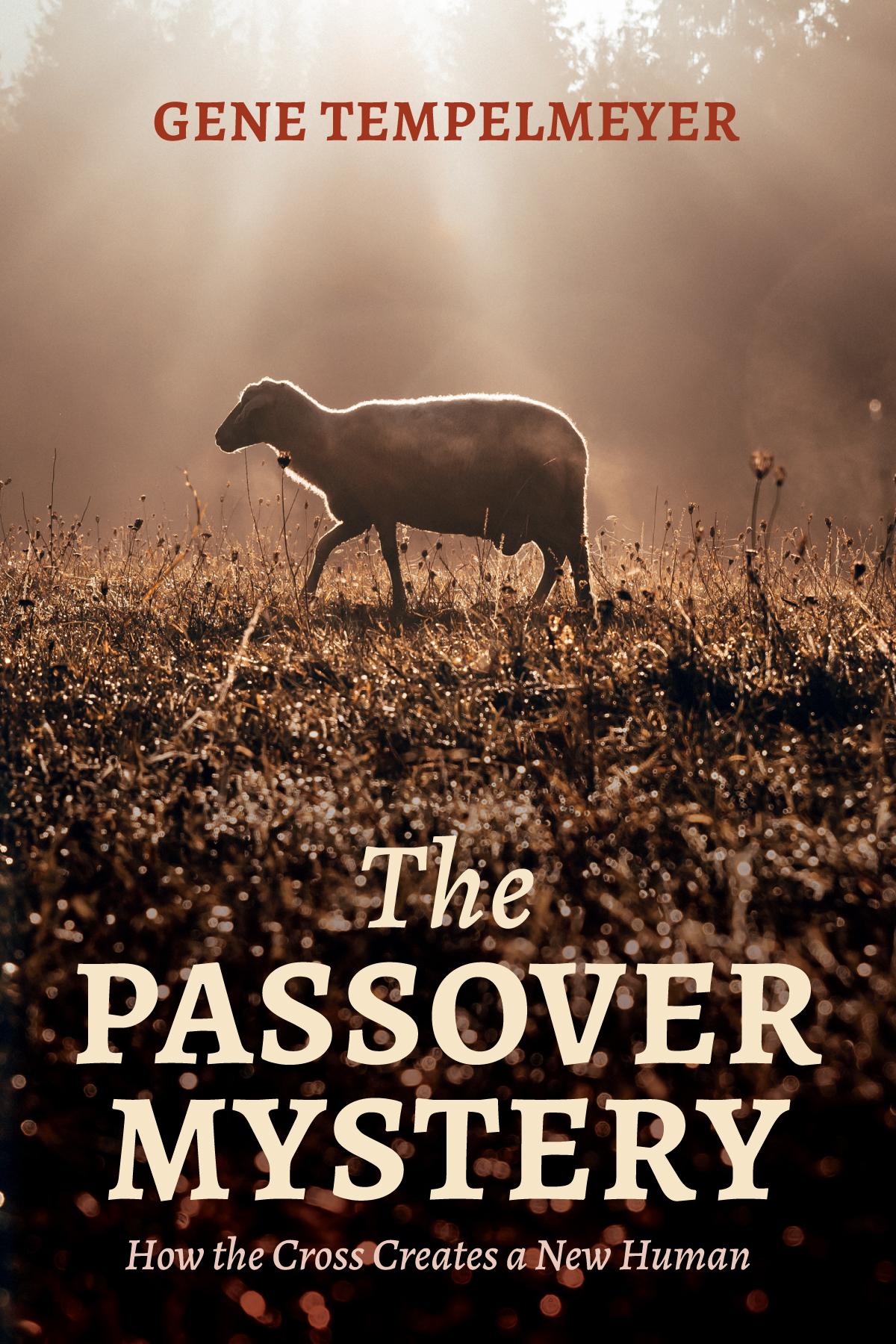
The cross remains the most familiar symbol of Christianity and the church, so common it is easy to forget it recalls one of the most vicious forms of execution devised. Perhaps an electric chair at the peak of our steeples would say to us what the cross said to the first believers.
Why did Christ have to suffer in such a brutal death? Did Jesus die on a cross because God is angry and violent, or because we are angry and violent? How does the cross create the possibility of a new kind of humanity ready for a new kind of world? What does the cross have to say about racial, economic, gender, and other human divisions? How does the cross offer forgiveness and end our shame, thereby freeing us from the wounds life has inflicted on us? What lessons does the cross teach about sharing life in community with others?
Very early in Christian history the idea of "The Pascal Mystery" entered the liturgy and thought of the church. Incorporating the life, death, resurrection, and ascension of Christ into one broad act by which we are reconciled with God, the Passover (Pascha) Mystery identifies the execution of Jesus with the Passover Lamb rather than the lamb sacrificed as a sin offering on the Day of Atonement. The Passover Lamb represents the obedience to God which nourishes and sustains God's people on their journey to freedom and wholeness.
Paga fácilmente con tarjeta, Klarna, Apple Pay o Google Pay. ¿No estás contento? Siempre tienes 14 días de garantía de devolución. Lee más en nuestros términos. Si tienes preguntas, escríbenos a hello@memmo.org.
Memmo hace que estudiar sea más fácil, estés donde estés. Aquí tienes tus libros de texto y herramientas de estudio inteligentes en un solo lugar: resúmenes, quizzes, podcasts y flashcards. Y también a Ted, tu compañero de estudio que responde a todo lo que te preguntes. Más de 50 000 estudiantes ya estudian aquí. Está hecho para que aprendas más rápido y te estreses menos.
También te podría gustar
Comprar el libro0