
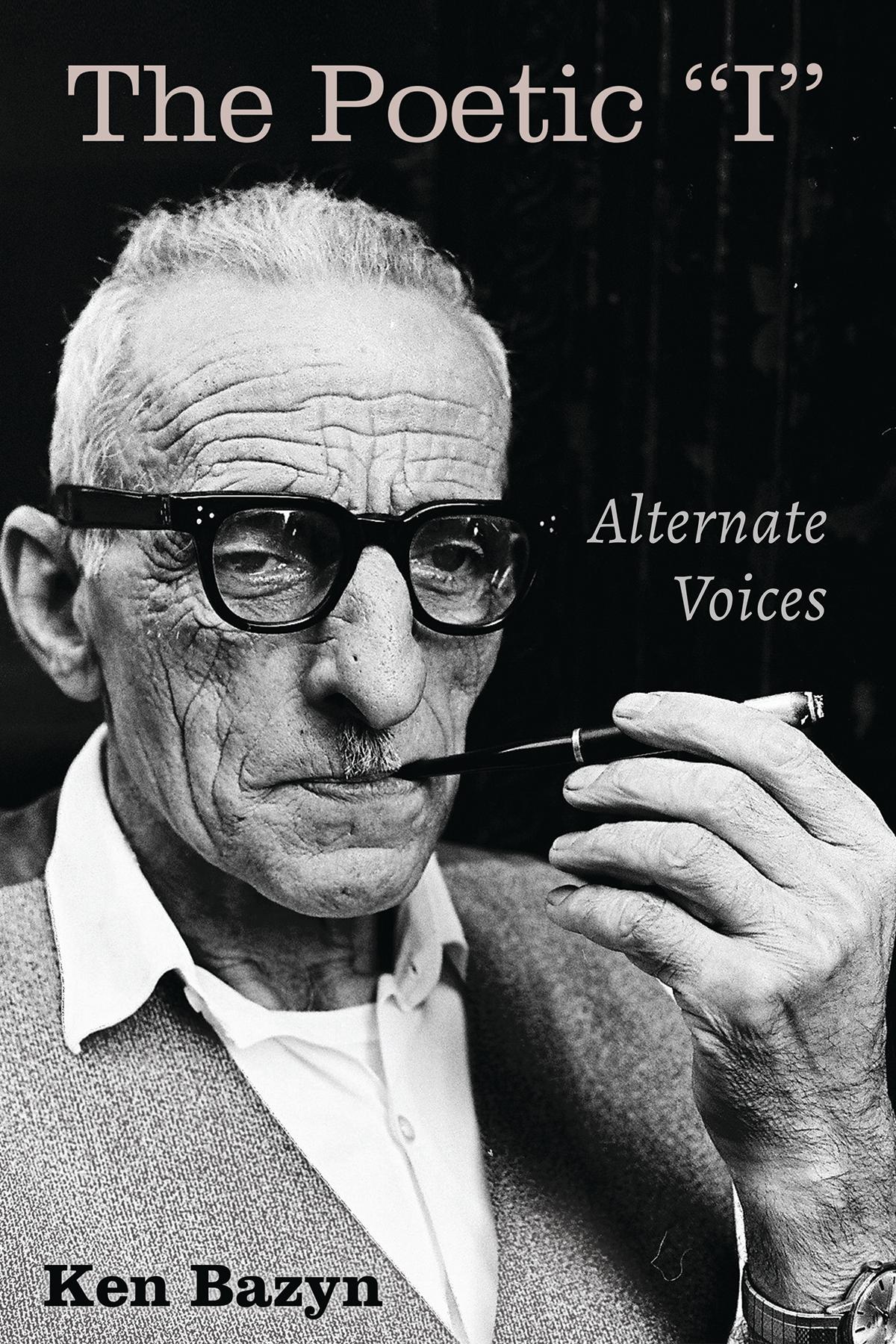
One should never assume that the narrator in a poem is expressing views identical to the author's. "For words, like Nature, half reveal / And half conceal the Soul within," wrote Tennyson. Autobiographical elements tend to be so mixed in with the fictional that lines blur.
Bazyn's revolving carousel of poetic "I's" includes an egotist who makes fun of his arrogance; a baby confused by his wobbly surroundings; the simple joys of a childhood Christmas; youth's dilemma at forging a vocation; the peculiar circumstances surrounding one's first love; reminiscences of a recent class reunion; a period of self-examination following the death of a neighbor; anxiously awaiting a monogrammed invitation; lessons gleaned from closely inspecting nature; exhibiting faith in a secular metropolis; dreaming of a technician's utopia; and the frailty and ragged edges of old age.
The narrator is, by turns, nostalgic, uneasy, speculative, forlorn, elated, discombobulated--representing, as he does, different stages of life, personality types, and psychological moods. Bazyn's language can be mysterious, his sentences follow a winding course, his stanzas end abruptly. Bewitching black-and-white photos accent and enhance each poem's metaphors. As you gaze into this verbal/visual mirror, likenesses of the hidden self emerge and take on unexpected shapes.
Paga fácilmente con tarjeta, Klarna, Apple Pay o Google Pay. ¿No estás contento? Siempre tienes 14 días de garantía de devolución. Lee más en nuestros términos. Si tienes preguntas, escríbenos a hello@memmo.org.
Memmo hace que estudiar sea más fácil, estés donde estés. Aquí tienes tus libros de texto y herramientas de estudio inteligentes en un solo lugar: resúmenes, quizzes, podcasts y flashcards. Y también a Ted, tu compañero de estudio que responde a todo lo que te preguntes. Más de 50 000 estudiantes ya estudian aquí. Está hecho para que aprendas más rápido y te estreses menos.
También te podría gustar
Comprar el libro0