
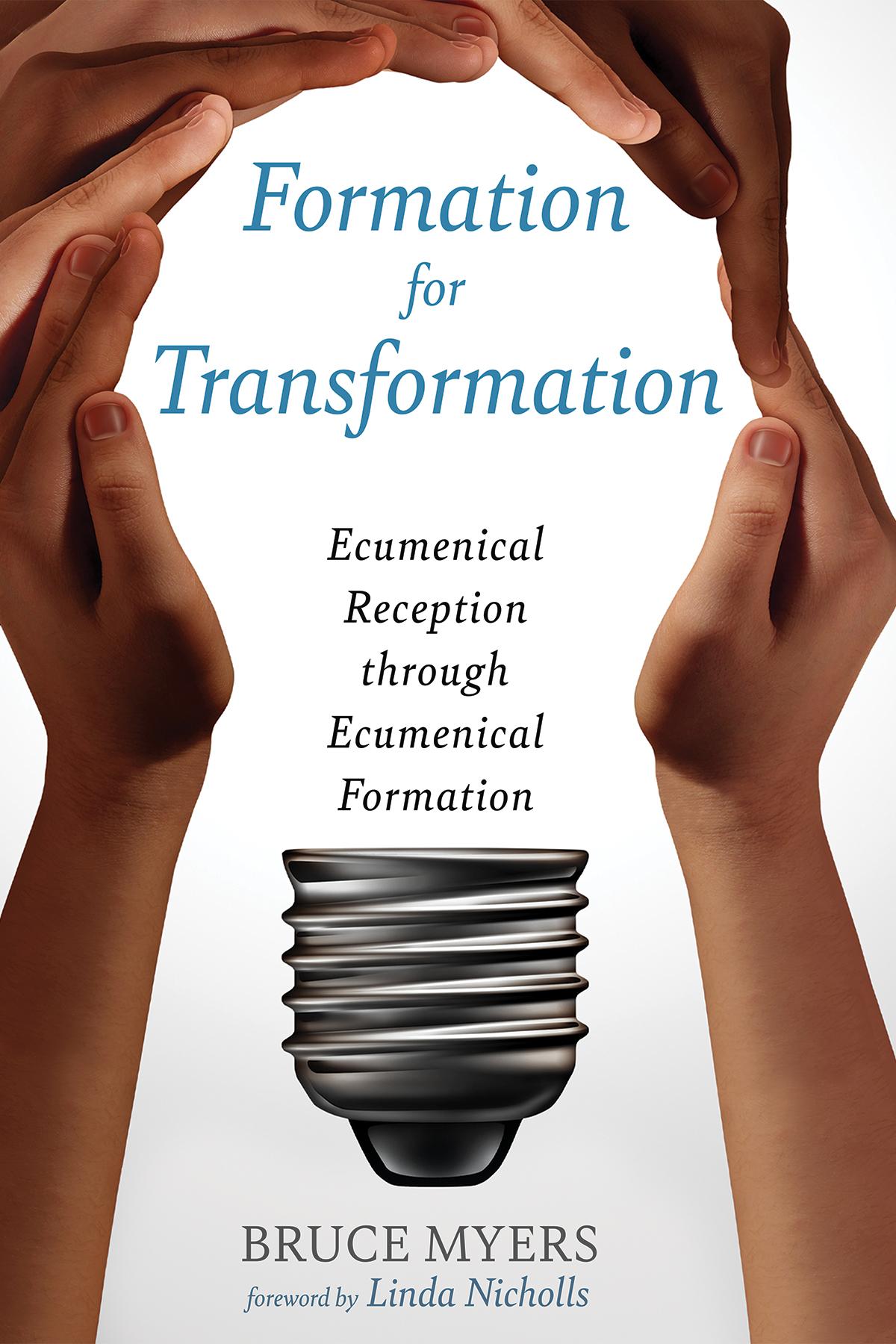
In the past century the ecumenical movement has made extraordinary efforts in healing the wounds of division in the body of Christ--the church. However, in their formal preparation for ministry, many clergy learn little or nothing about the achievements, methods, or implications of ecumenism. This failure to adequately educate and inspire successive generations of Christian leaders about the quest for the church's visible unity risks not only an irretrievable loss of ecumenical memory, but also a return to a time in which ignorance, fear, mistrust, suspicion, stereotypes, caricatures, recrimination, anathematization--even persecution--characterized the relations between divided churches. Drawing on decades of reflection on ecumenical reception and formation, and using the Anglican Church of Canada as a model, this book presents an approach to teaching the practical and theological aspects of ecumenism in a way that is both holistic and pragmatic and offers the potential to raise up a new generation of church leaders who are also agents of reconciliation and Christian unity.
Paga fácilmente con tarjeta, Klarna, Apple Pay o Google Pay. ¿No estás contento? Siempre tienes 14 días de garantía de devolución. Lee más en nuestros términos. Si tienes preguntas, escríbenos a hello@memmo.org.
Memmo hace que estudiar sea más fácil, estés donde estés. Aquí tienes tus libros de texto y herramientas de estudio inteligentes en un solo lugar: resúmenes, quizzes, podcasts y flashcards. Y también a Ted, tu compañero de estudio que responde a todo lo que te preguntes. Más de 50 000 estudiantes ya estudian aquí. Está hecho para que aprendas más rápido y te estreses menos.
También te podría gustar
Comprar el libro0