
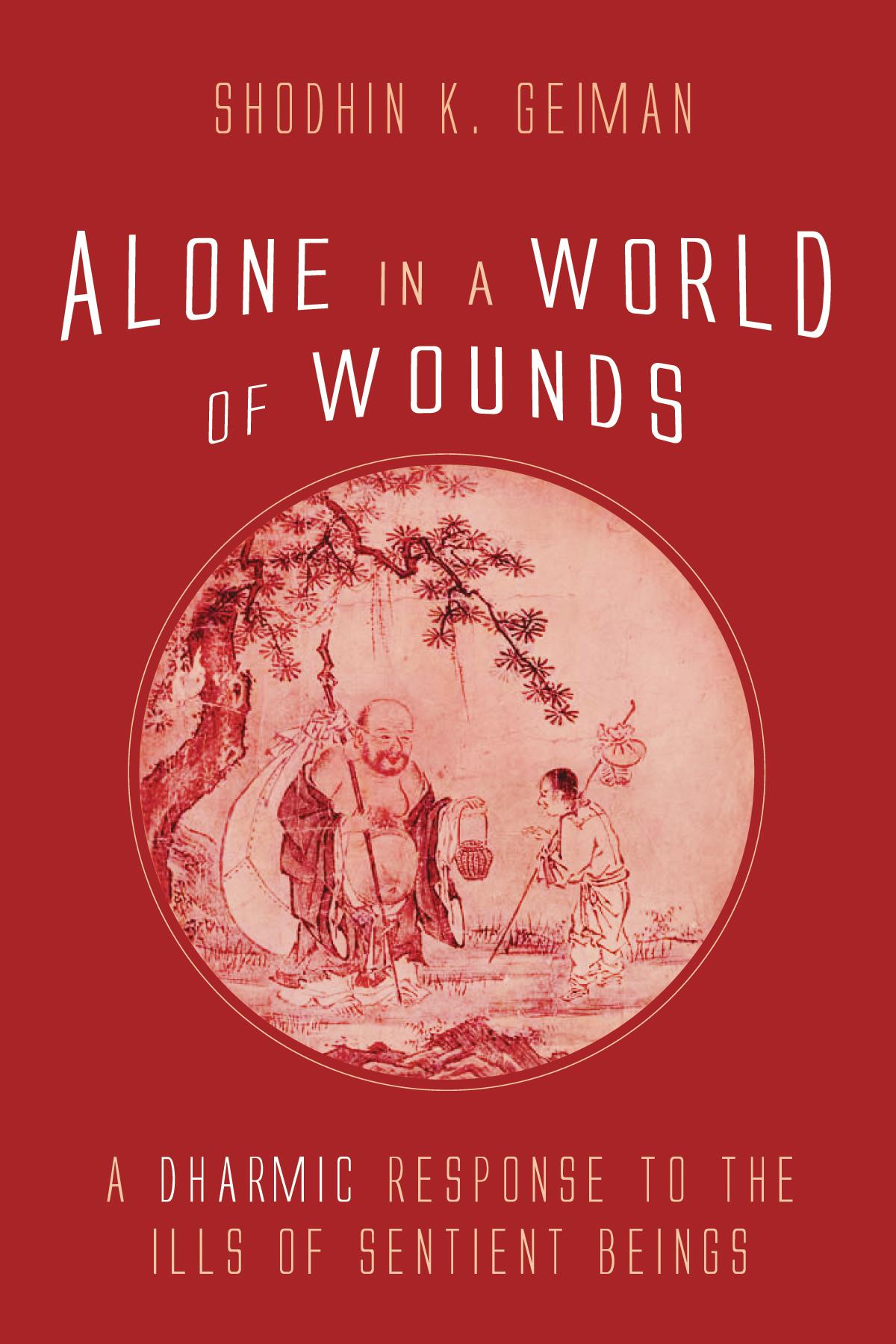
When Buddhism came to the West in the 1960s, many were eager to adapt it straightaway to the prevailing social and intellectual currents of its new home. One of those adaptations was the creation of a "socially engaged" Buddhism that could stand alongside similar developments in Christian and Jewish thought. It seemed like a good idea at the time.
Beginning with what the tradition calls the path of "the holy life," a life free of every attachment to self and the delusions to which it gives rise, Geiman draws attention to the unique contribution the Dharma makes to one's understanding of the world, one's place within it, and the nature of wise and compassionate action in the face of human hardship. Along the way, he shows the limits of using the teaching of the Buddha and the Dharma Ancestors as support for social and political agendas of any kind. What emerges is a description of a noble life free of pretense and guile, which fearlessly and unshakably bears witness to the truth of our conditioned nature in the midst of human hardship--a life best described as standing alone in a world of wounds.
Paga fácilmente con tarjeta, Klarna, Apple Pay o Google Pay. ¿No estás contento? Siempre tienes 14 días de garantía de devolución. Lee más en nuestros términos. Si tienes preguntas, escríbenos a hello@memmo.org.
Memmo hace que estudiar sea más fácil, estés donde estés. Aquí tienes tus libros de texto y herramientas de estudio inteligentes en un solo lugar: resúmenes, quizzes, podcasts y flashcards. Y también a Ted, tu compañero de estudio que responde a todo lo que te preguntes. Más de 50 000 estudiantes ya estudian aquí. Está hecho para que aprendas más rápido y te estreses menos.
También te podría gustar
Comprar el libro0