
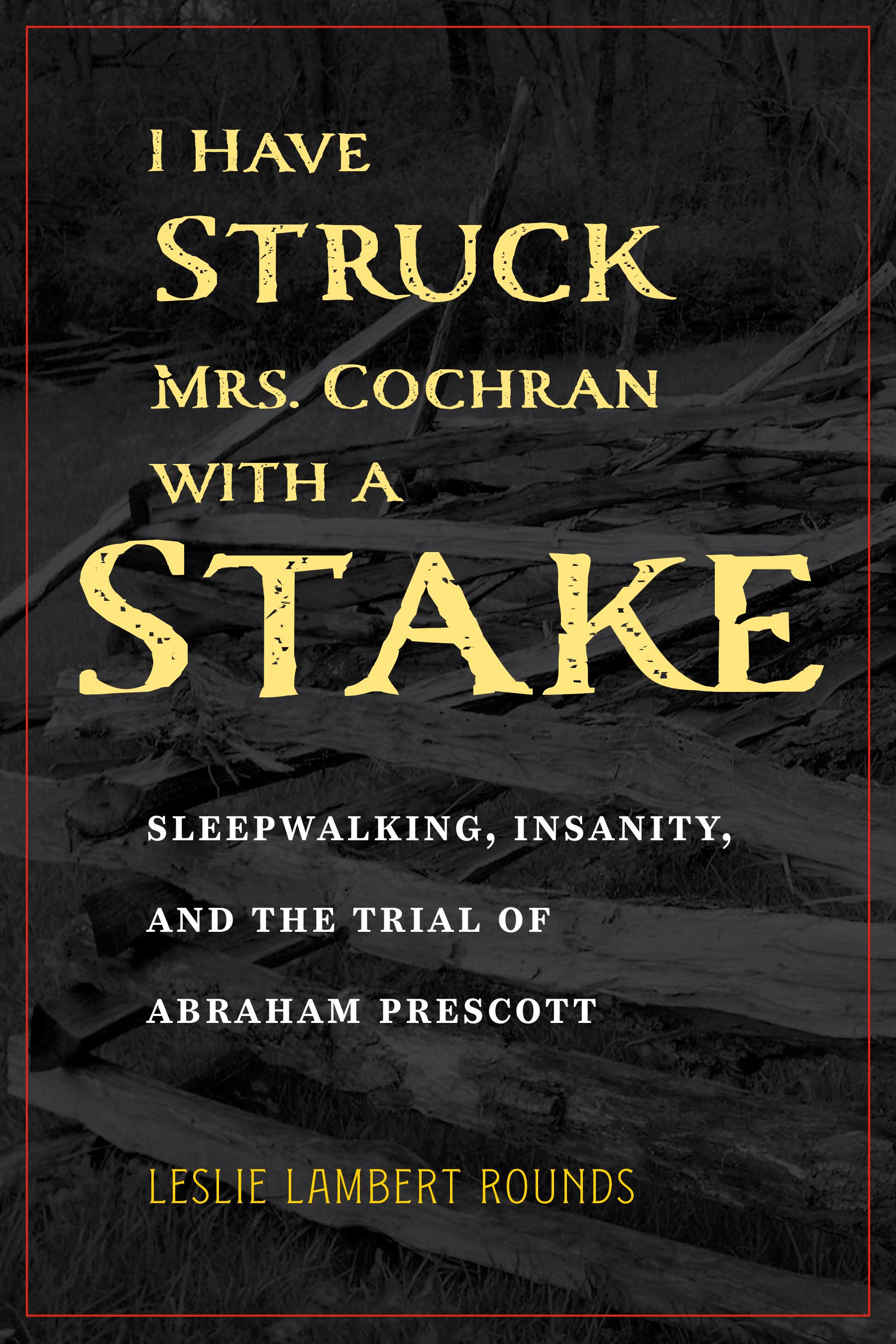
How the forgotten case of murder while sleepwalking changed history
After creeping out of bed on a frigid January night in 1832, teenage farmhand Abraham Prescott took up an ax and thrashed his sleeping employers to the brink of death. He later explained that he’d attacked Sally and Chauncey Cochran in his sleep. The Cochrans eventually recovered but—to the astonishment of their neighbors—kept Prescott on, somehow accepting his strange story.
This decision would come back to haunt them. While picking strawberries with Sally in an isolated field the following summer, Prescott used a fence post to violently kill the young mother. His explanation was again the same; he told Chauncey he’d fallen asleep and the next thing he knew, Sally was dead. Prescott’s attorneys would use both a sleepwalking claim and an insanity plea in his defense, despite the historically dismal success rates of these arguments. In the two murder trials that followed, Prescott was convicted and sentenced to death both times.
Prescott’s crime has landmark significance, however, notably because many believed the boy was mentally ill and should never have been executed. The case also highlights the discriminatory role class plays in the American justice system.
Using contemporaneous accounts as well as information from other insanity and sleepwalking defenses, author Leslie Lambert Rounds reconstructs the crime and raises important questions about privilege, societal discrimination against the mentally ill and the disadvantaged, and the unfortunate secondary role of women in history.
Paga fácilmente con tarjeta, Klarna, Apple Pay o Google Pay. ¿No estás contento? Siempre tienes 14 días de garantía de devolución. Lee más en nuestros términos. Si tienes preguntas, escríbenos a hello@memmo.org.
Memmo hace que estudiar sea más fácil, estés donde estés. Aquí tienes tus libros de texto y herramientas de estudio inteligentes en un solo lugar: resúmenes, quizzes, podcasts y flashcards. Y también a Ted, tu compañero de estudio que responde a todo lo que te preguntes. Más de 50 000 estudiantes ya estudian aquí. Está hecho para que aprendas más rápido y te estreses menos.