
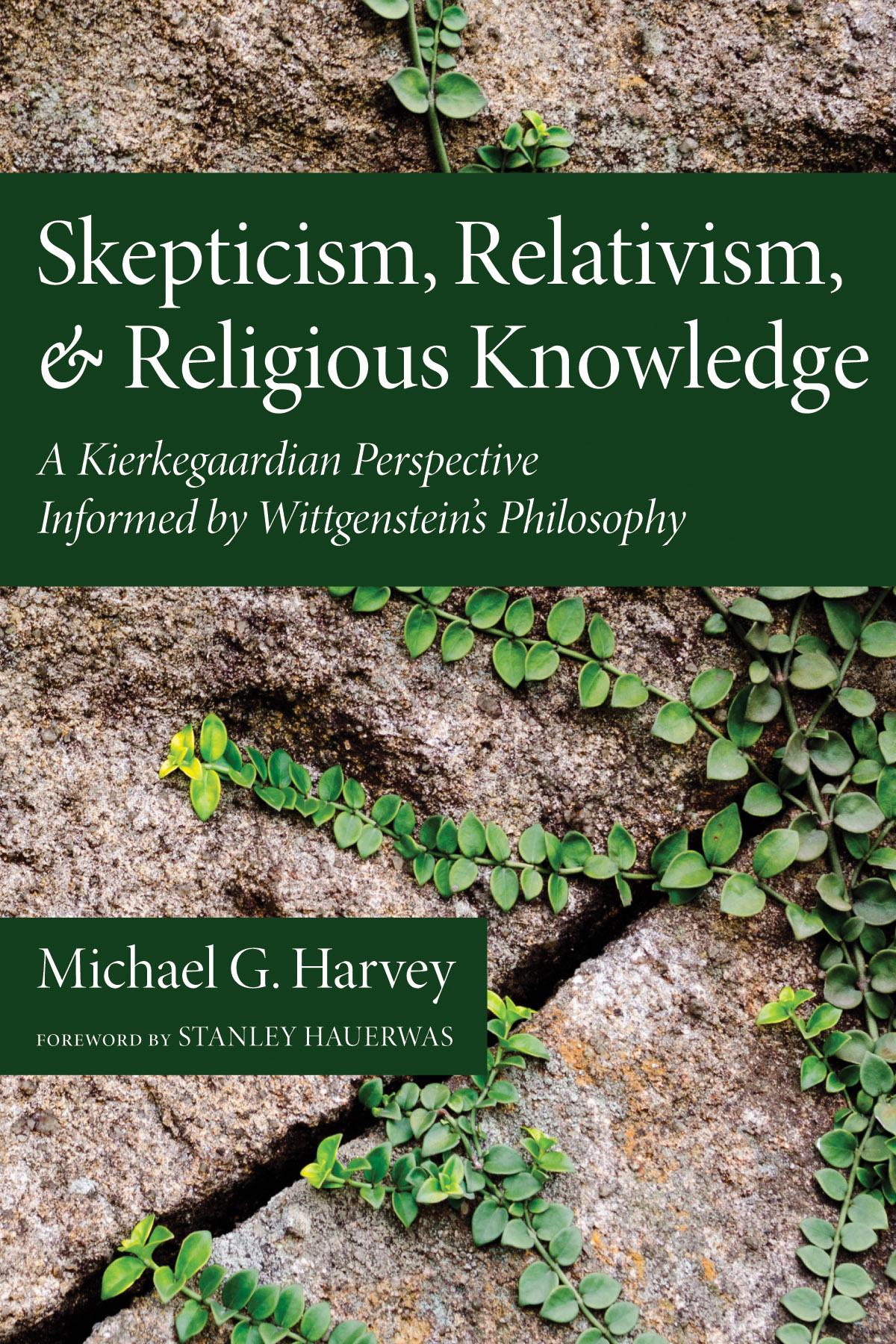
Skepticism, Relativism, and Religious Knowledge examines the challenges of skepticism and relativism to religious knowledge after the demise of classical foundationalism. Whereas skepticism doubts our capacity to know truth, relativism doubts whether we can find a sufficiently objective perspective to adjudicate strong disagreement about truth. Thus relativism involves skepticism about rationality rather than truth. In developing a critique of responses to these challenges by Karl Barth and Reformed epistemology, Michael G. Harvey develops a Kierkegaardian perspective on religious knowledge informed by Wittgenstein's philosophy. This perspective is based on a hermeneutical model of rationality that appeals to what we hold in common rather than private and parochial foundations in order to settle disagreement. Although doubt is necessary to produce more truth-preserving beliefs, we must scrutinize our doubts as well as beliefs in order to prevent the belief-forming mechanism of doubt from degenerating into a general mood of skepticism about rationality and truth. More fundamentally, we must realize that skepticism and relativism are rooted in attitudes of alienation. Whereas epistemology aims at a non-alienated view of the world, Christianity aims at a non-alienated way of living through faith that enables both our beliefs and lives to correspond with the truth.
Paga fácilmente con tarjeta, Klarna, Apple Pay o Google Pay. ¿No estás contento? Siempre tienes 14 días de garantía de devolución. Lee más en nuestros términos. Si tienes preguntas, escríbenos a hello@memmo.org.
Memmo hace que estudiar sea más fácil, estés donde estés. Aquí tienes tus libros de texto y herramientas de estudio inteligentes en un solo lugar: resúmenes, quizzes, podcasts y flashcards. Y también a Ted, tu compañero de estudio que responde a todo lo que te preguntes. Más de 50 000 estudiantes ya estudian aquí. Está hecho para que aprendas más rápido y te estreses menos.
También te podría gustar
Comprar el libro0