
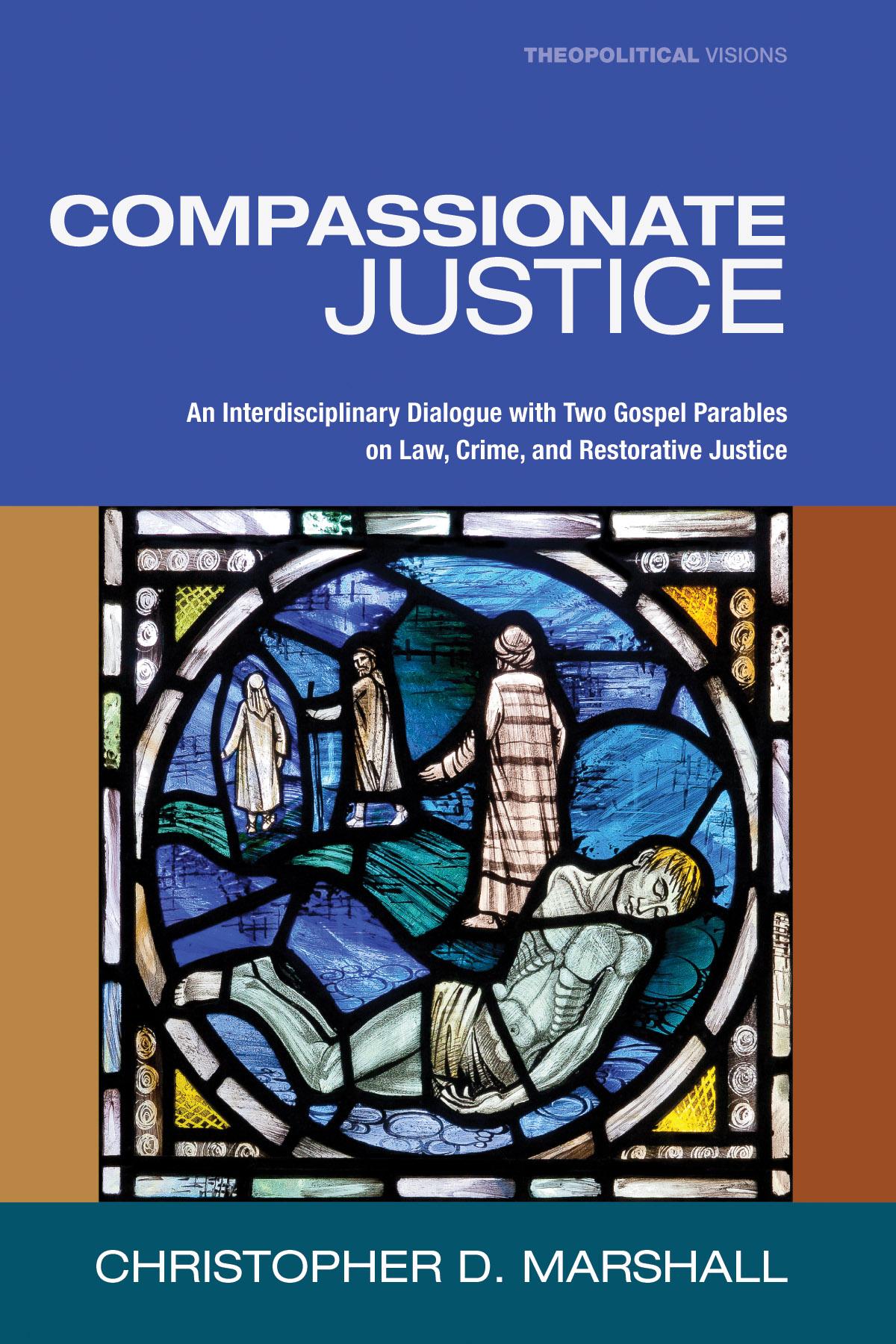
Two parables that have become firmly lodged in popular consciousness and affection are the parable of the Good Samaritan and the parable of the Prodigal Son. These simple but subversive tales have had a significant impact historically on shaping the spiritual, aesthetic, moral, and legal traditions of Western civilization, and their capacity to inform debate on a wide range of moral and social issues remains as potent today as ever. Noting that both stories deal with episodes of serious interpersonal offending, and both recount restorative responses on the part of the leading characters, Compassionate Justice draws on the insights of restorative justice theory, legal philosophy, and social psychology to offer a fresh reading of these two great parables. It also provides a compelling analysis of how the priorities commended by the parables are pertinent to the criminal justice system today. The parables teach that the conscientious cultivation of compassion is essential to achieving true justice. Restorative justice strategies, this book argues, provide a promising and practical means of attaining to this goal of reconciling justice with compassion.
Paga fácilmente con tarjeta, Klarna, Apple Pay o Google Pay. ¿No estás contento? Siempre tienes 14 días de garantía de devolución. Lee más en nuestros términos. Si tienes preguntas, escríbenos a hello@memmo.org.
Memmo hace que estudiar sea más fácil, estés donde estés. Aquí tienes tus libros de texto y herramientas de estudio inteligentes en un solo lugar: resúmenes, quizzes, podcasts y flashcards. Y también a Ted, tu compañero de estudio que responde a todo lo que te preguntes. Más de 50 000 estudiantes ya estudian aquí. Está hecho para que aprendas más rápido y te estreses menos.
También te podría gustar
Comprar el libro0