
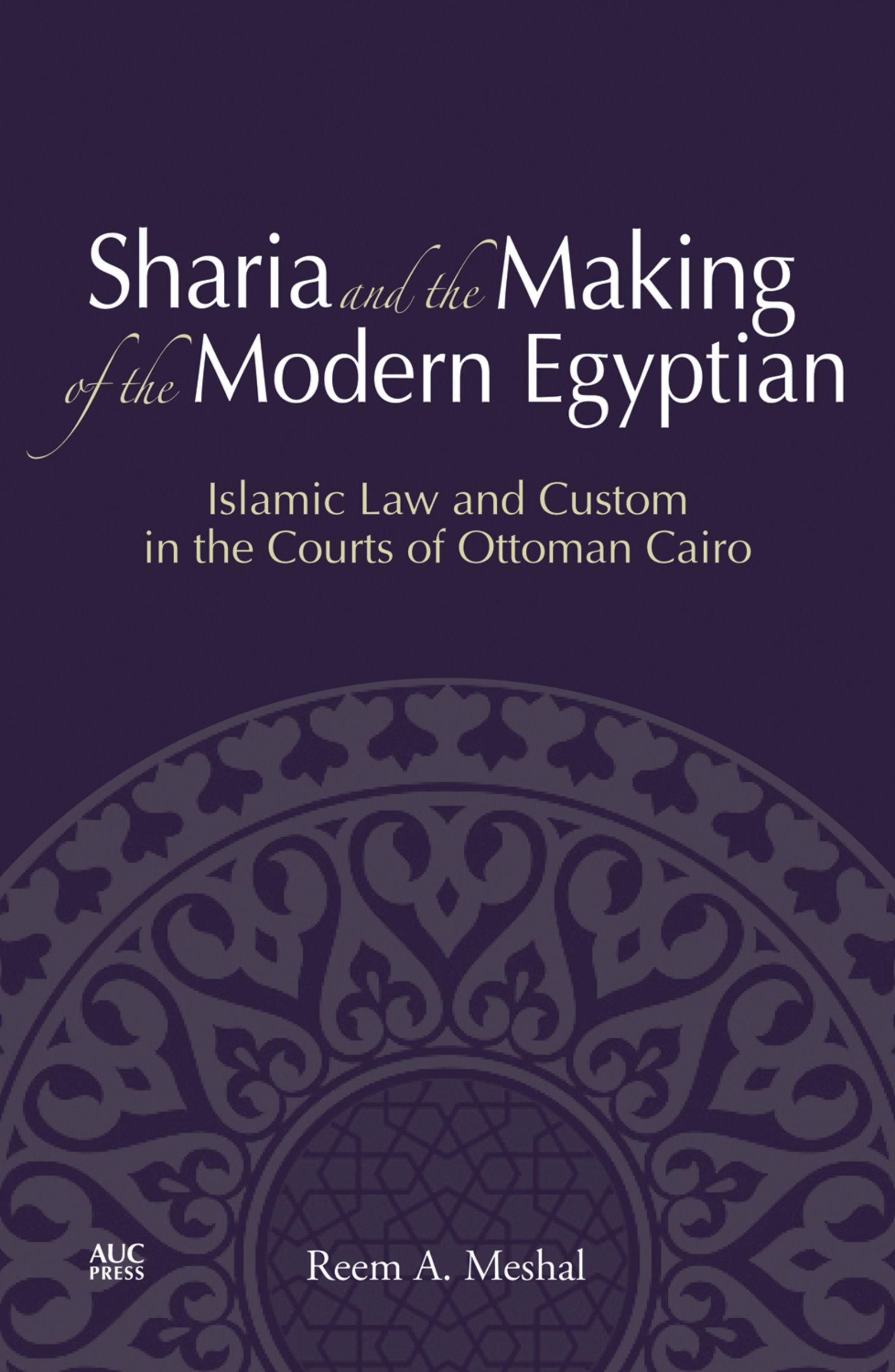
In this book, the author examines sijills, the official documents of the Ottoman Islamic courts, to understand how sharia law, society and the early-modern economy of sixteenth- and seventeenth-century Ottoman Cairo related to the practice of custom in determining rulings. In the sixteenth century, a new legal and cultural orthodoxy fostered the development of an early-modern Islam that broke new ground, giving rise to a new concept of the citizen and his role. Contrary to the prevailing scholarly view, this work adopts the position that local custom began to diminish and decline as a source of authority.
These issues resonate today, several centuries later, in the continuing discussions of individual rights in relation to Islamic law.
Paga fácilmente con tarjeta, Klarna, Apple Pay o Google Pay. ¿No estás contento? Siempre tienes 14 días de garantía de devolución. Lee más en nuestros términos. Si tienes preguntas, escríbenos a hello@memmo.org.
Memmo hace que estudiar sea más fácil, estés donde estés. Aquí tienes tus libros de texto y herramientas de estudio inteligentes en un solo lugar: resúmenes, quizzes, podcasts y flashcards. Y también a Ted, tu compañero de estudio que responde a todo lo que te preguntes. Más de 50 000 estudiantes ya estudian aquí. Está hecho para que aprendas más rápido y te estreses menos.
También te podría gustar
Comprar el libro0