
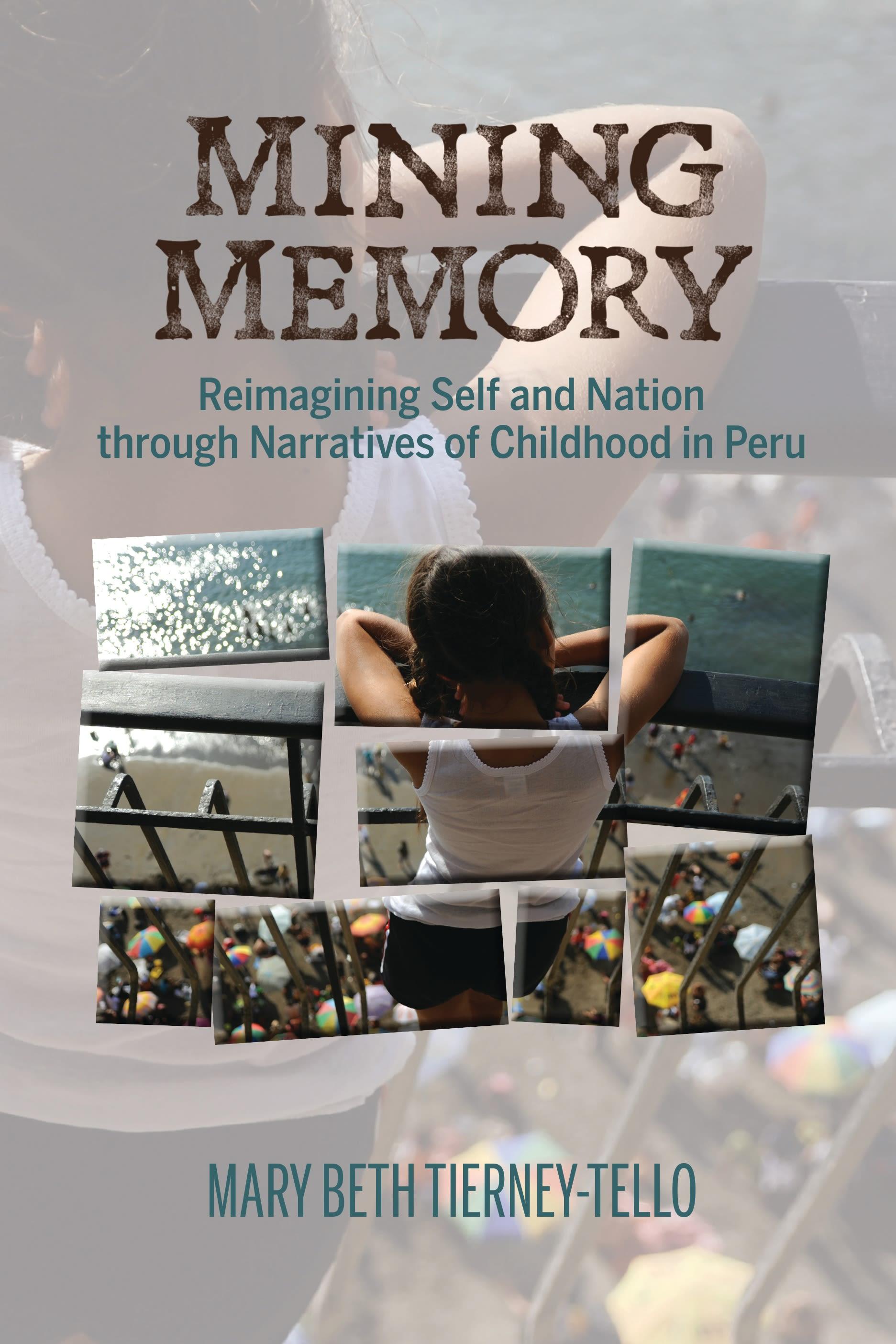
Every major Peruvian author of the twentieth century has written a narrative focused on childhood or coming of age. Mining Memory argues that Peruvian narratives of the twentieth century re-imagine childhood not only to document personal pasts, but also to focus on national identity as a dynamic and incomplete process. Mining Memory shows how 20th-century narratives and films reimagine the self and the nation by representing child and adolescent protagonists and their evolution, using the remembrance of childhood as part of a nation-making project. The book demonstrates how, in the context of Peru, fictions focusing on childhood become vehicles for the national reimagining and collective remembering central to much of Latin American literature.
The figure of the child, as emblem of both a collective memory and an always deferred utopian project, holds special promise for twentieth-century Peruvian writers as they write from a national context rife with cultural, racial and political conflict. The book intervenes in debates internal to Peruvian cultural studies as well as wider conversations in Latin American Studies and post-colonial studies. Mining Memory provides a new understanding to both the Latin American and Anglo-American traditions regarding the representations of national subjectivities through the voices of the child and adolescent. Such a representational strategy performs a very particular kind of hybridity and temporal balancing act capable of addressing the very issues of cultural memory and fractured identities so relevant to multi-cultural, post-colonial cultural contexts.
The figure of the child, as emblem of both a collective memory and an always deferred utopian project, holds special promise for twentieth-century Peruvian writers as they write from a national context rife with cultural, racial and political conflict. The book intervenes in debates internal to Peruvian cultural studies as well as wider conversations in Latin American Studies and post-colonial studies. Mining Memory provides a new understanding to both the Latin American and Anglo-American traditions regarding the representations of national subjectivities through the voices of the child and adolescent. Such a representational strategy performs a very particular kind of hybridity and temporal balancing act capable of addressing the very issues of cultural memory and fractured identities so relevant to multi-cultural, post-colonial cultural contexts.
Páginas: 302
Categoría: Litteraturvetenskap & Teori
e-ISBN: 9781611487749
Peso de envío: 1.2 kg
Envío en: 1-2 días
Paga fácilmente con tarjeta, Klarna, Apple Pay o Google Pay. ¿No estás contento? Siempre tienes 14 días de garantía de devolución. Lee más en nuestros términos. Si tienes preguntas, escríbenos a hello@memmo.org.
Memmo hace que estudiar sea más fácil, estés donde estés. Aquí tienes tus libros de texto y herramientas de estudio inteligentes en un solo lugar: resúmenes, quizzes, podcasts y flashcards. Y también a Ted, tu compañero de estudio que responde a todo lo que te preguntes. Más de 50 000 estudiantes ya estudian aquí. Está hecho para que aprendas más rápido y te estreses menos.