
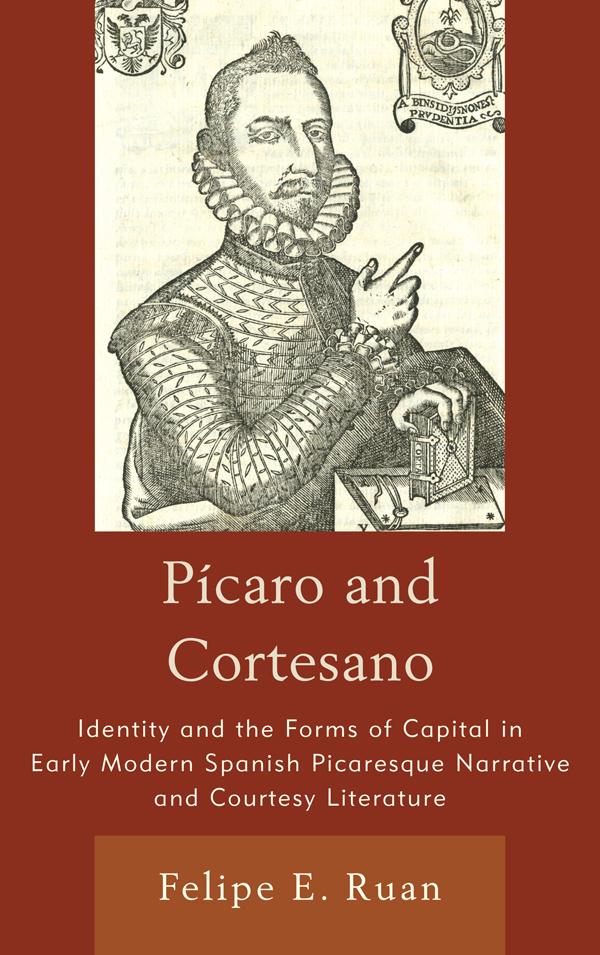
In this book on the relationship between pícaro and cortesano, Felipe E. Ruan argues that these two cultural figures are linked by a shared form of deportment centered on prudent self-accommodation. This behavior is generated and governed by a courtly ethos or habitus that emerges as the result of the growth and influence of the court in Madrid. Ruan posits that both pícaro and cortesano, and their respective books, conduct manual and picaresque narrative, tacitly engage questions of identity and individualism by highlighting the valued resources or forms of capital that come to fashion and sustain self-identity. He places the books of the pícaro and cortesano within the larger polemic of early modern identity and individualism, and offers an account of the individual as agent whose actions are grounded on objective social relations, without those actions being simply the result of mechanistic adherence to the social order.
Paga fácilmente con tarjeta, Klarna, Apple Pay o Google Pay. ¿No estás contento? Siempre tienes 14 días de garantía de devolución. Lee más en nuestros términos. Si tienes preguntas, escríbenos a hello@memmo.org.
Memmo hace que estudiar sea más fácil, estés donde estés. Aquí tienes tus libros de texto y herramientas de estudio inteligentes en un solo lugar: resúmenes, quizzes, podcasts y flashcards. Y también a Ted, tu compañero de estudio que responde a todo lo que te preguntes. Más de 50 000 estudiantes ya estudian aquí. Está hecho para que aprendas más rápido y te estreses menos.