
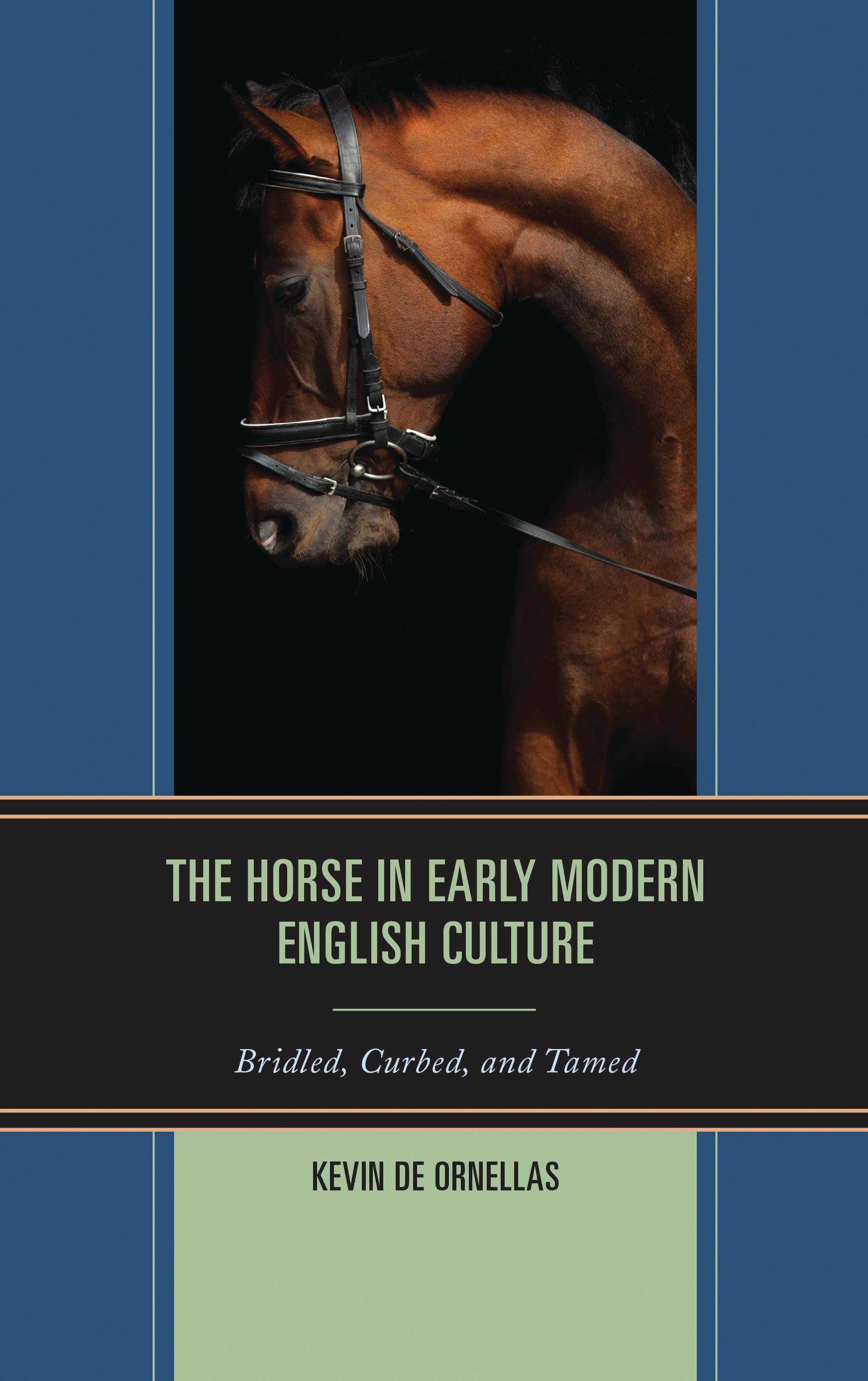
Kevin De Ornellas argues that in Renaissance England the relationship between horse and rider works as an unambiguous symbol of domination by the strong over the weak. There was little sentimental concern for animal welfare, leading to the routine abuse of the material animal. This unproblematic, practical exploitation of the horse led to the currency of the horse/rider relationship as a trope or symbol of exploitation in the literature of the period. Engaging with fiction, plays, poems, and non-fictional prose works of late Tudor and early Stuart England, De Ornellas demonstrates that the horse—a bridled, unwilling slave—becomes a yardstick against which the oppression of England’s poor, women, increasingly uninfluential clergyman, and deluded gamblers is measured. The status of the bitted, harnessed horse was a low one in early modern England—to be compared to such a beast is a demonstration of inferiority and subjugation. To think anything else is to be naïve about the realities of horse management in the period and is to be naïve about the realities of the exploitation of horses and other mammals in the present-day world.
Paga fácilmente con tarjeta, Klarna, Apple Pay o Google Pay. ¿No estás contento? Siempre tienes 14 días de garantía de devolución. Lee más en nuestros términos. Si tienes preguntas, escríbenos a hello@memmo.org.
Memmo hace que estudiar sea más fácil, estés donde estés. Aquí tienes tus libros de texto y herramientas de estudio inteligentes en un solo lugar: resúmenes, quizzes, podcasts y flashcards. Y también a Ted, tu compañero de estudio que responde a todo lo que te preguntes. Más de 50 000 estudiantes ya estudian aquí. Está hecho para que aprendas más rápido y te estreses menos.