
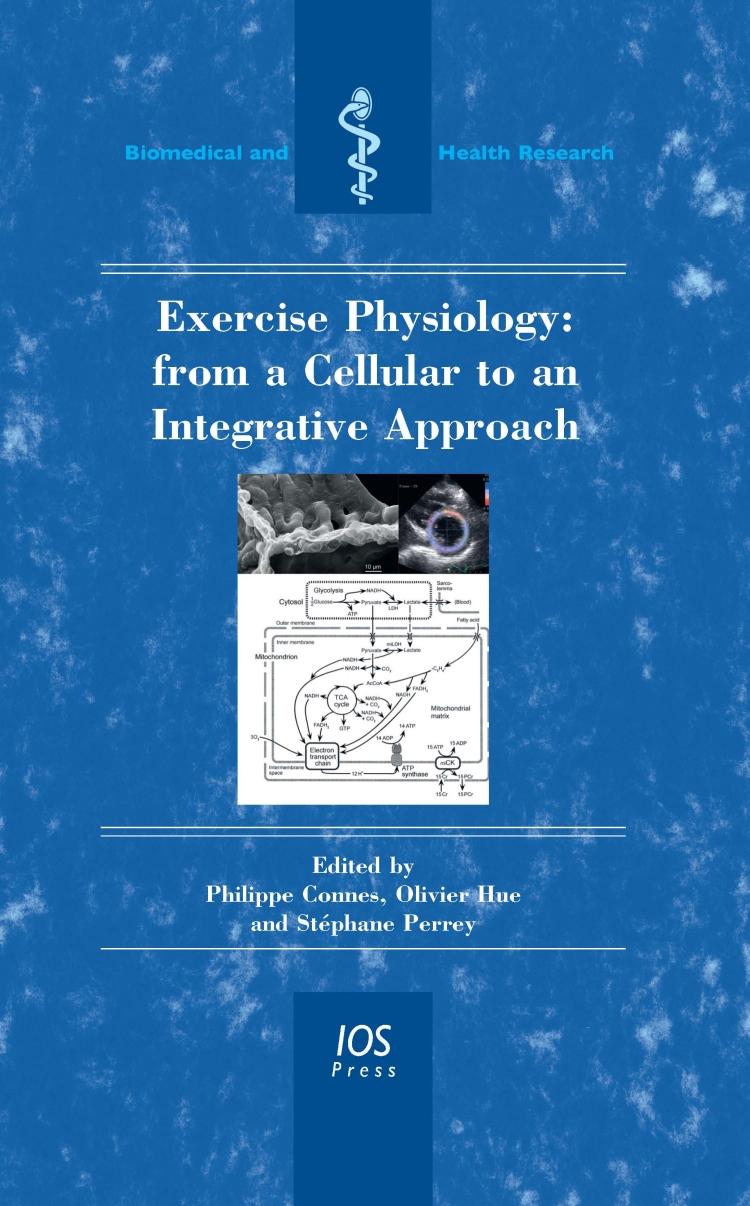
There is no doubt that if the field of exercise physiology is to make further advancements, the various specialized areas must work together in solving the unique and difficult problems of understanding how exercise is initiated, maintained and regulated at many functional levels, and what causes us to quit. Exercise is perhaps the most complex of physiological functions, requiring the coordinated, integrated activation of essentially every cell, tissue and organ in the body. Such activation is known to take place at all levels - from molecular to systemic. Focusing on important issues addressed at cellular and systemic levels, this handbook presents state-of-the-art research in the field of exercise physiology. Each chapter serves as a comprehensive resource that will stimulate and challenge discussion in advanced students, researchers, physiologists, medical doctors and practitioners. Authored by respected exercise physiologists from nineteen countries, each chapter has been significantly updated to provide up-to-date coverage of the topics and to offer complete descriptions of the many facets of the most physiological responses from a cellular to an integrative approach within individual body systems in normal and disease states and includes some chapters that are rarely addressed in exercise physiology books, such as the influence of exercise on endothelium, vasomotor control mechanisms, coagulation, immune function and rheological properties of blood, and their influence on hemodynamics. This book represents the first iteration to provide such a work. Normal exercise responses divided into muscle function, bioenergetics, and respiratory, cardiac and blood/vascular function; Fitness, training, exercise testing and limits to exercise; Exercise responses in different environments; Beneficial effects of exercise rehabilitation on ageing and in the prevention and treatment of disease states; Rarely addressed issues such as the influence of exercise on endothelium, vasomotor control mechanisms, coagulation, immune function and rheological properties of blood and their influence on hemodynamics.
Paga fácilmente con tarjeta, Klarna, Apple Pay o Google Pay. ¿No estás contento? Siempre tienes 14 días de garantía de devolución. Lee más en nuestros términos. Si tienes preguntas, escríbenos a hello@memmo.org.
Memmo hace que estudiar sea más fácil, estés donde estés. Aquí tienes tus libros de texto y herramientas de estudio inteligentes en un solo lugar: resúmenes, quizzes, podcasts y flashcards. Y también a Ted, tu compañero de estudio que responde a todo lo que te preguntes. Más de 50 000 estudiantes ya estudian aquí. Está hecho para que aprendas más rápido y te estreses menos.