
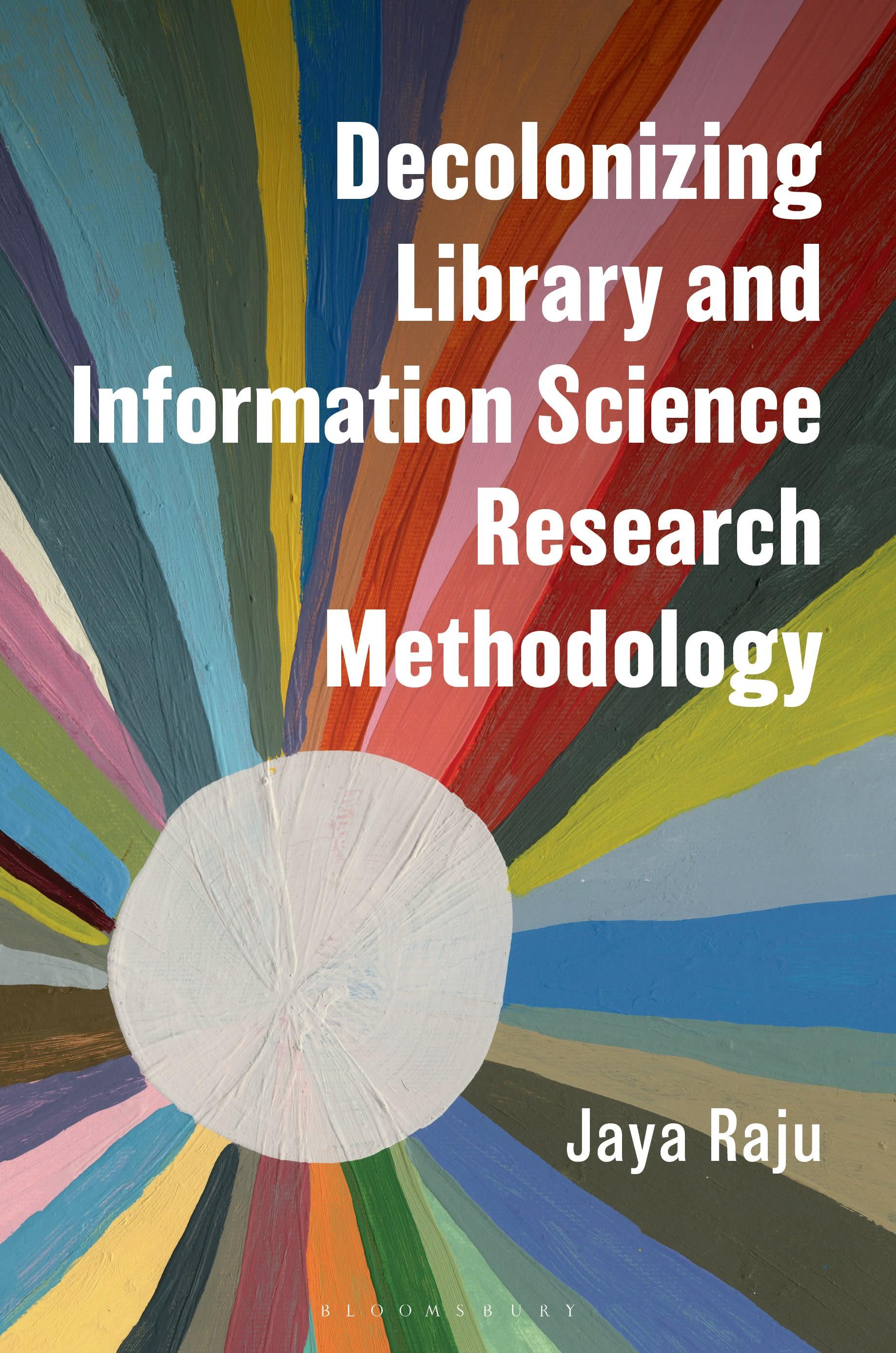
Engage decolonial perspectives in LIS research methodology.
“Information” as conceptualized in the discipline of Library and Information Science (LIS) is not neutral. Library and information services increasingly, in the current digital information age, engage historical, cultural, social, economic, and political forces that interact with information. Such forces may use information to advance dominant epistemic agendas; hence there is a need for LIS researchers, students, practitioners, and other relevant stakeholders to critically interrogate and disrupt these forces in their curation of information for use in research, practice, theory development, policy application, etc.
This book engages decolonial perspectives in LIS research methodology for a transformative and critically reflexive approach to research that is community-based, culturally responsive and impactful for Indigenous and other historically marginalized communities. It positions decolonization as rejecting the privileging in scholarship of dominant western knowledge systems and intellectual traditions. Instead, it calls for the centering of perspectives, insights, and knowledges of Indigenous and other marginalized societies so that research may be inclusive of all knowledge systems, respectful of the researched, and of different ways of knowing embedded in the worldviews of others.
“Information” as conceptualized in the discipline of Library and Information Science (LIS) is not neutral. Library and information services increasingly, in the current digital information age, engage historical, cultural, social, economic, and political forces that interact with information. Such forces may use information to advance dominant epistemic agendas; hence there is a need for LIS researchers, students, practitioners, and other relevant stakeholders to critically interrogate and disrupt these forces in their curation of information for use in research, practice, theory development, policy application, etc.
This book engages decolonial perspectives in LIS research methodology for a transformative and critically reflexive approach to research that is community-based, culturally responsive and impactful for Indigenous and other historically marginalized communities. It positions decolonization as rejecting the privileging in scholarship of dominant western knowledge systems and intellectual traditions. Instead, it calls for the centering of perspectives, insights, and knowledges of Indigenous and other marginalized societies so that research may be inclusive of all knowledge systems, respectful of the researched, and of different ways of knowing embedded in the worldviews of others.
Páginas: 260
Categoría: Vetenskapsteori och forskningsmetod
e-ISBN: 9781538187494
Peso de envío: 1.2 kg
Envío en: 1-2 días
Paga fácilmente con tarjeta, Klarna, Apple Pay o Google Pay. ¿No estás contento? Siempre tienes 14 días de garantía de devolución. Lee más en nuestros términos. Si tienes preguntas, escríbenos a hello@memmo.org.
Memmo hace que estudiar sea más fácil, estés donde estés. Aquí tienes tus libros de texto y herramientas de estudio inteligentes en un solo lugar: resúmenes, quizzes, podcasts y flashcards. Y también a Ted, tu compañero de estudio que responde a todo lo que te preguntes. Más de 50 000 estudiantes ya estudian aquí. Está hecho para que aprendas más rápido y te estreses menos.