
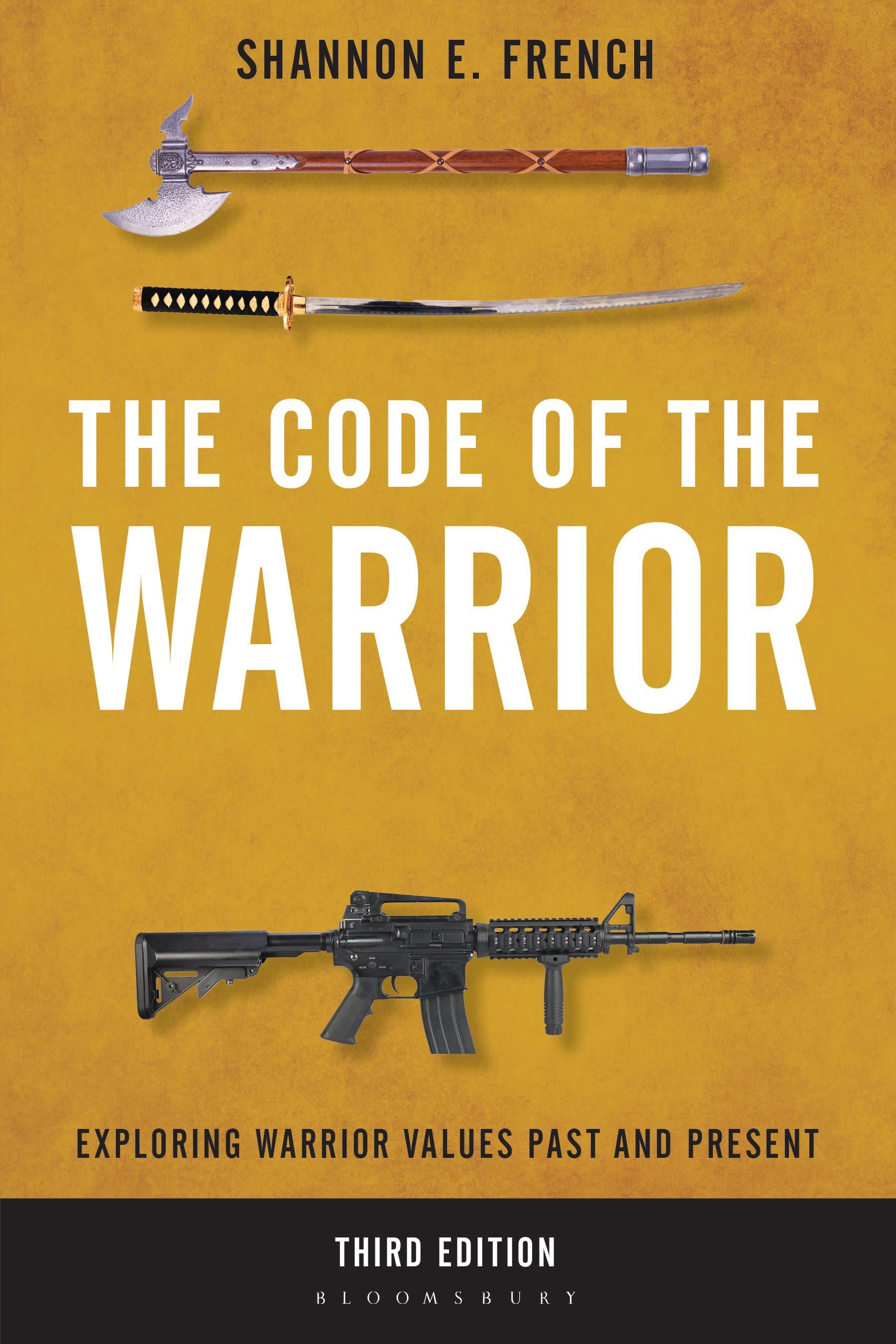
Combining ethics, history, and psychology, this book examines historical and contemporary warrior cultures, arguing that today's warriors need a code to navigate the moral line between soldier and killer.
Exploring the roots of military ethics, this third edition furthers author Shannon French's argument that modern troops need a code to shield their humanity as they endure the horrors of war, including updated first and last chapters addressing the need for warrior codes throughout history and in today's military climate. Stories of ancient Greek and Roman soldiers, Chinese warrior monks, Vikings, Celts, Japanese samurai, medieval European knights, Islamic warriors, and Zulu warriors combine with contemporary perspectives on modern day warfare's latest technologies and power structures to present a truly global and timeless case for the exercise of restraint in warfare-primarily for the benefit of those doing the fighting.
A new chapter on the famous Zulu warrior Chief Shaka makes the important distinction between a warrior and a strongman. Incorporating philosophy with history, religion, anthropology, sociology, and moral psychology, French addresses concepts which resonate within and beyond military service. She also presents thoughtful answers to complex questions such as: Why should one side of a conflict show restraint if the other side does not? How can a command climate become corrupted? What is the difference between a warrior and a murderer, or a terrorist, or a strongman? How do changes in technology affect the conduct of war?
French provides analysis grounded in her own decades of work with and for members of the U.S. military, as well as her extensive, international scholarship in military ethics. It is a must-read book for anyone interested in how wars can be fought ethically and how warriors can be spared the worst moral injury that comes from betraying their own chosen core values.
Exploring the roots of military ethics, this third edition furthers author Shannon French's argument that modern troops need a code to shield their humanity as they endure the horrors of war, including updated first and last chapters addressing the need for warrior codes throughout history and in today's military climate. Stories of ancient Greek and Roman soldiers, Chinese warrior monks, Vikings, Celts, Japanese samurai, medieval European knights, Islamic warriors, and Zulu warriors combine with contemporary perspectives on modern day warfare's latest technologies and power structures to present a truly global and timeless case for the exercise of restraint in warfare-primarily for the benefit of those doing the fighting.
A new chapter on the famous Zulu warrior Chief Shaka makes the important distinction between a warrior and a strongman. Incorporating philosophy with history, religion, anthropology, sociology, and moral psychology, French addresses concepts which resonate within and beyond military service. She also presents thoughtful answers to complex questions such as: Why should one side of a conflict show restraint if the other side does not? How can a command climate become corrupted? What is the difference between a warrior and a murderer, or a terrorist, or a strongman? How do changes in technology affect the conduct of war?
French provides analysis grounded in her own decades of work with and for members of the U.S. military, as well as her extensive, international scholarship in military ethics. It is a must-read book for anyone interested in how wars can be fought ethically and how warriors can be spared the worst moral injury that comes from betraying their own chosen core values.
Paga fácilmente con tarjeta, Klarna, Apple Pay o Google Pay. ¿No estás contento? Siempre tienes 14 días de garantía de devolución. Lee más en nuestros términos. Si tienes preguntas, escríbenos a hello@memmo.org.
Memmo hace que estudiar sea más fácil, estés donde estés. Aquí tienes tus libros de texto y herramientas de estudio inteligentes en un solo lugar: resúmenes, quizzes, podcasts y flashcards. Y también a Ted, tu compañero de estudio que responde a todo lo que te preguntes. Más de 50 000 estudiantes ya estudian aquí. Está hecho para que aprendas más rápido y te estreses menos.