
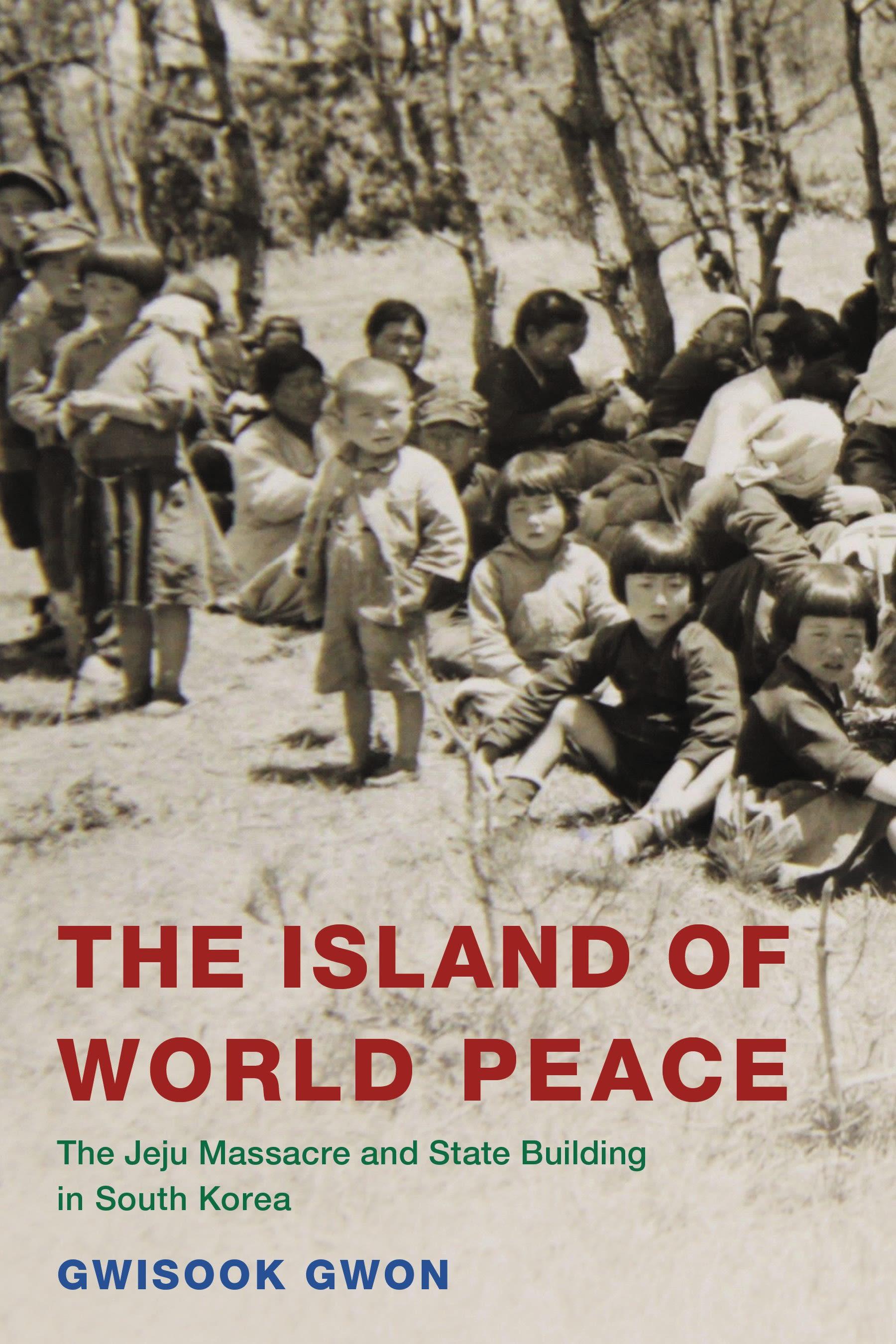
This book explores the history of the Jeju massacre (1947-1954), the deadest recognized civilian massacre in modern South Korean history, through the lens of state building in South Korea. Jeju-based sociologist Gwisook Gwon examines the massacre on Jeju Island in relation to the birth of anti-communist South Korea in the early Cold War, while also focusing on the reintegration of Jeju Islanders into the state through the history of Jeju soldiers in the Korean War (1950-1953) and the history of Jeju women in the economic recovery and modernization between the 1950s and the 1970s. The study of these post-massacre legacies is novel to South Korean history. The book also discusses the on-going reconciliation of the 4.3 historical conflicts and the transformation of Jeju into an “Island of World Peace.” This fresh and original study offers an empirical example of state-building processes at the local level in South Korea from the origin of the state to its democratization. In doing so, it contributes to several fields, including, the Korean War, state violence, conflict resolution studies, gender studies, and Asian and Korean studies.
Paga fácilmente con tarjeta, Klarna, Apple Pay o Google Pay. ¿No estás contento? Siempre tienes 14 días de garantía de devolución. Lee más en nuestros términos. Si tienes preguntas, escríbenos a hello@memmo.org.
Memmo hace que estudiar sea más fácil, estés donde estés. Aquí tienes tus libros de texto y herramientas de estudio inteligentes en un solo lugar: resúmenes, quizzes, podcasts y flashcards. Y también a Ted, tu compañero de estudio que responde a todo lo que te preguntes. Más de 50 000 estudiantes ya estudian aquí. Está hecho para que aprendas más rápido y te estreses menos.