
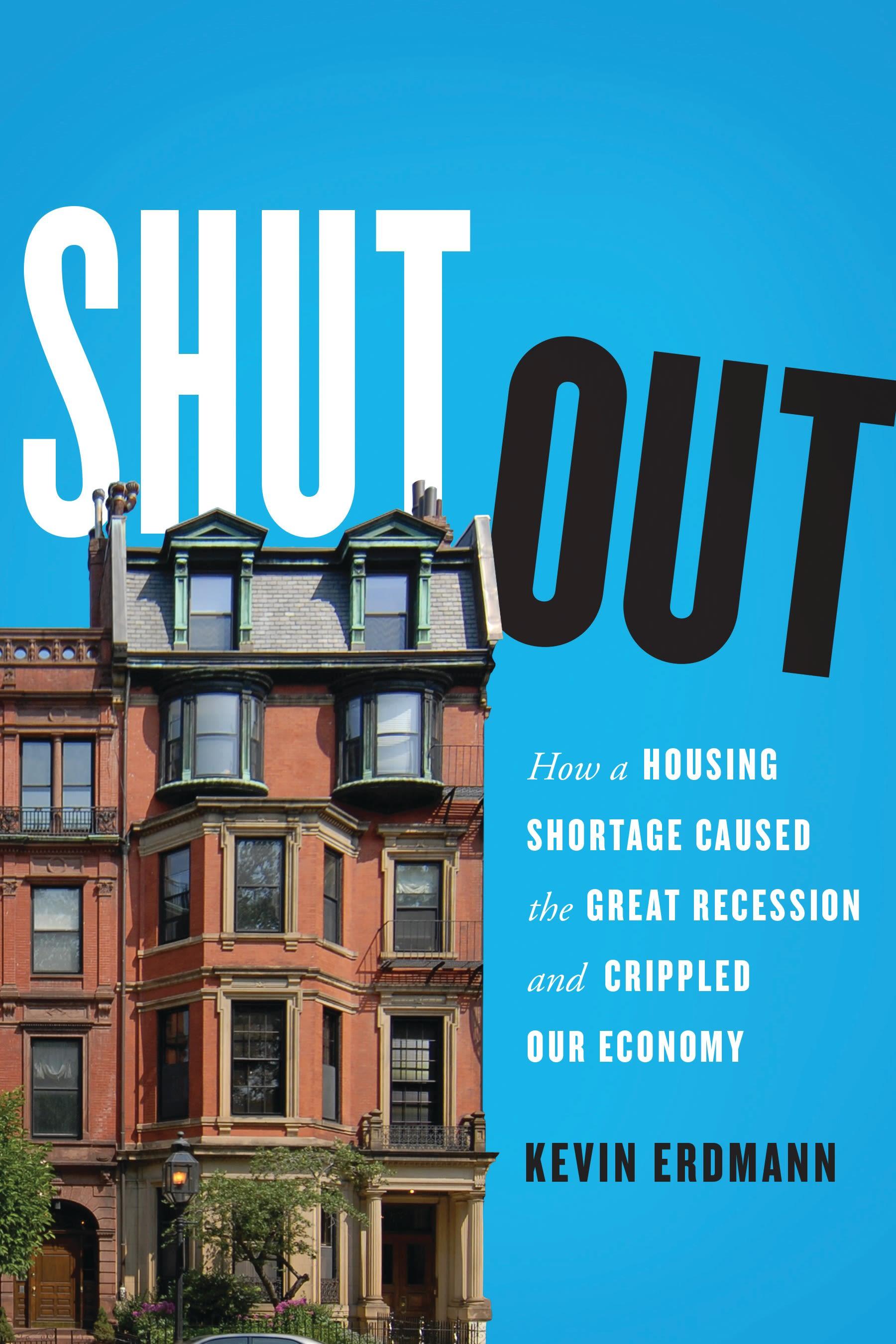
The United States suffers from a shortage of well-placed homes. This was true even at the peak of the housing boom in 2005. Using a broad array of evidence on housing inflation, income, migration, homeownership trends, and international comparisons, Shut Out demonstrates that high home prices have been largely caused by the constrained housing supply in a handful of magnet cities leading the new economy.
The same phenomenon is occurring in leading countries across the globe. Gentrifying cities have become exclusionary bastions in the new postindustrial economy. The US housing bubble that peaked in 2005 is more accurately described as a refugee crisis than a credit bubble. Surging demand for limited urban housing triggered a spike of migration away from the magnet cities among households with moderate and lower incomes who could no longer afford to remain, causing a brief contagion of high prices in the cities where the migrants moved.
In this book, author Kevin Erdmann observes that the housing bubble has been broadly and incorrectly attributed to various “excesses.” Policymakers and economists concluded that our key challenge was that we had built too many homes. This misdiagnosis of the problem, according to Erdmann, led to misguided public polices, which were the primary cause of the subsequent financial crisis. A sort of moral panic about supposed excesses in home lending and construction led to destabilizing monetary and regulatory decisions. As the economy slumped, a sense of fatalism prevented the government from responding appropriately to the worsening situation.
Shut Out provides a much-needed correction to the causes and consequences of financial crises and secular stagnation.
The same phenomenon is occurring in leading countries across the globe. Gentrifying cities have become exclusionary bastions in the new postindustrial economy. The US housing bubble that peaked in 2005 is more accurately described as a refugee crisis than a credit bubble. Surging demand for limited urban housing triggered a spike of migration away from the magnet cities among households with moderate and lower incomes who could no longer afford to remain, causing a brief contagion of high prices in the cities where the migrants moved.
In this book, author Kevin Erdmann observes that the housing bubble has been broadly and incorrectly attributed to various “excesses.” Policymakers and economists concluded that our key challenge was that we had built too many homes. This misdiagnosis of the problem, according to Erdmann, led to misguided public polices, which were the primary cause of the subsequent financial crisis. A sort of moral panic about supposed excesses in home lending and construction led to destabilizing monetary and regulatory decisions. As the economy slumped, a sense of fatalism prevented the government from responding appropriately to the worsening situation.
Shut Out provides a much-needed correction to the causes and consequences of financial crises and secular stagnation.
Paga fácilmente con tarjeta, Klarna, Apple Pay o Google Pay. ¿No estás contento? Siempre tienes 14 días de garantía de devolución. Lee más en nuestros términos. Si tienes preguntas, escríbenos a hello@memmo.org.
Memmo hace que estudiar sea más fácil, estés donde estés. Aquí tienes tus libros de texto y herramientas de estudio inteligentes en un solo lugar: resúmenes, quizzes, podcasts y flashcards. Y también a Ted, tu compañero de estudio que responde a todo lo que te preguntes. Más de 50 000 estudiantes ya estudian aquí. Está hecho para que aprendas más rápido y te estreses menos.