
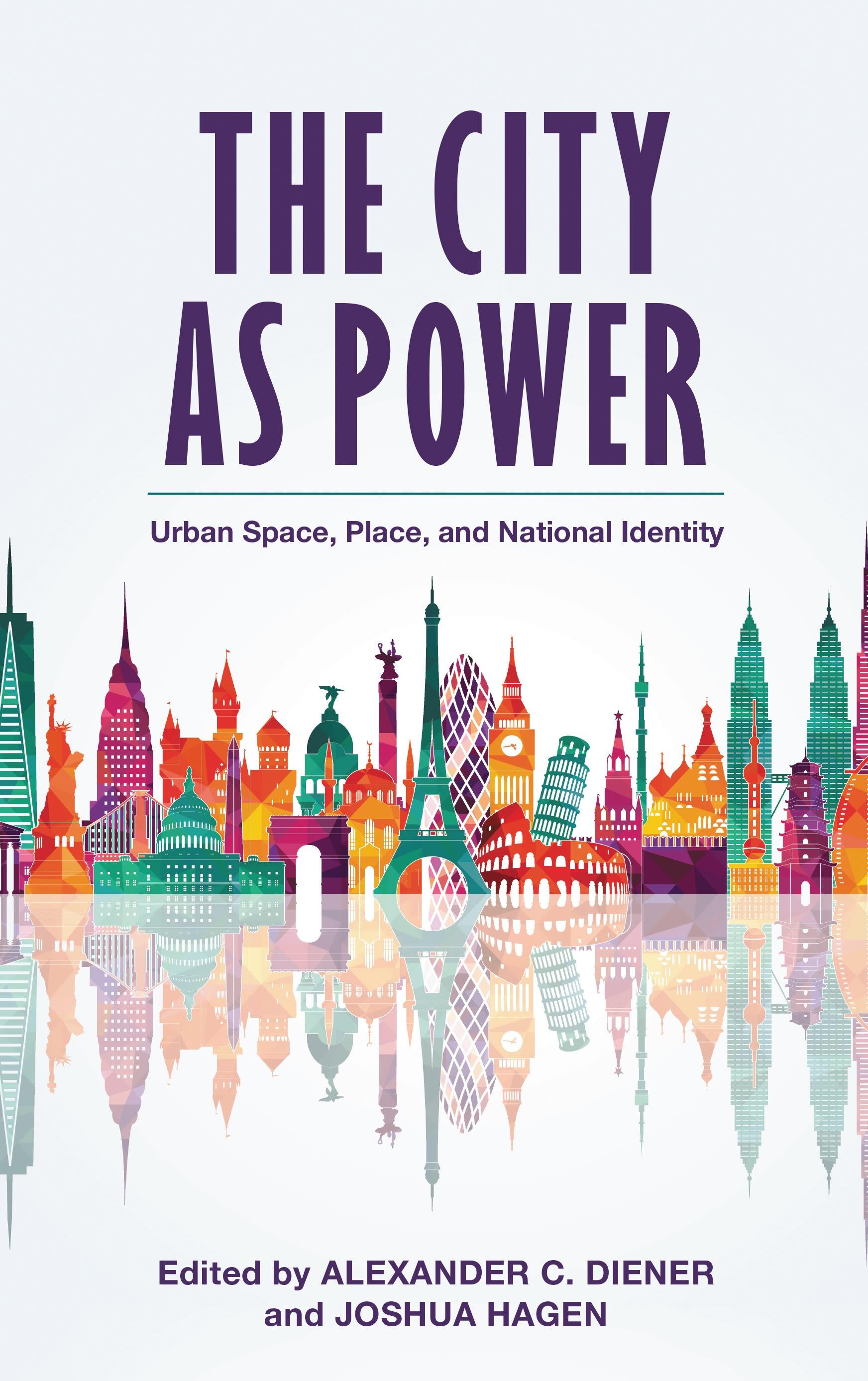
This interdisciplinary book considers national identity through the lens of urban spaces.
By bringing together scholars from a range of disciplines, The City as Power provides broad comparative perspectives about the critical importance of urban landscapes as forums for creating, maintaining, and contesting identity and belonging. Rather than serving as passive backdrops, urban spaces and places are active mediums for defining categories of inclusion—and exclusion. With an international scope and ready appeal to visual learners, the book offers a compelling survey of historical and contemporary efforts to enact state ideals, express counter-narratives, and negotiate global trends in cities. The contributors show how successive regimes reshape cityscapes to mirror their respective socio-political agendas, perspectives on history, and assumptions of power. Yet they must do so within the legal, ethnic, religious, social, economic, and cultural geographies inherited from previous regimes. Exploring the rich diversity of urban space, place, and national identity, the book compares core elements of identity projects in a range of political, cultural, and socioeconomic settings. By focusing on the built form and urban settings for social movements, protest, and even organized violence, this timely book demonstrates that cities are not simply lived in but also lived through.
By bringing together scholars from a range of disciplines, The City as Power provides broad comparative perspectives about the critical importance of urban landscapes as forums for creating, maintaining, and contesting identity and belonging. Rather than serving as passive backdrops, urban spaces and places are active mediums for defining categories of inclusion—and exclusion. With an international scope and ready appeal to visual learners, the book offers a compelling survey of historical and contemporary efforts to enact state ideals, express counter-narratives, and negotiate global trends in cities. The contributors show how successive regimes reshape cityscapes to mirror their respective socio-political agendas, perspectives on history, and assumptions of power. Yet they must do so within the legal, ethnic, religious, social, economic, and cultural geographies inherited from previous regimes. Exploring the rich diversity of urban space, place, and national identity, the book compares core elements of identity projects in a range of political, cultural, and socioeconomic settings. By focusing on the built form and urban settings for social movements, protest, and even organized violence, this timely book demonstrates that cities are not simply lived in but also lived through.
Paga fácilmente con tarjeta, Klarna, Apple Pay o Google Pay. ¿No estás contento? Siempre tienes 14 días de garantía de devolución. Lee más en nuestros términos. Si tienes preguntas, escríbenos a hello@memmo.org.
Memmo hace que estudiar sea más fácil, estés donde estés. Aquí tienes tus libros de texto y herramientas de estudio inteligentes en un solo lugar: resúmenes, quizzes, podcasts y flashcards. Y también a Ted, tu compañero de estudio que responde a todo lo que te preguntes. Más de 50 000 estudiantes ya estudian aquí. Está hecho para que aprendas más rápido y te estreses menos.