
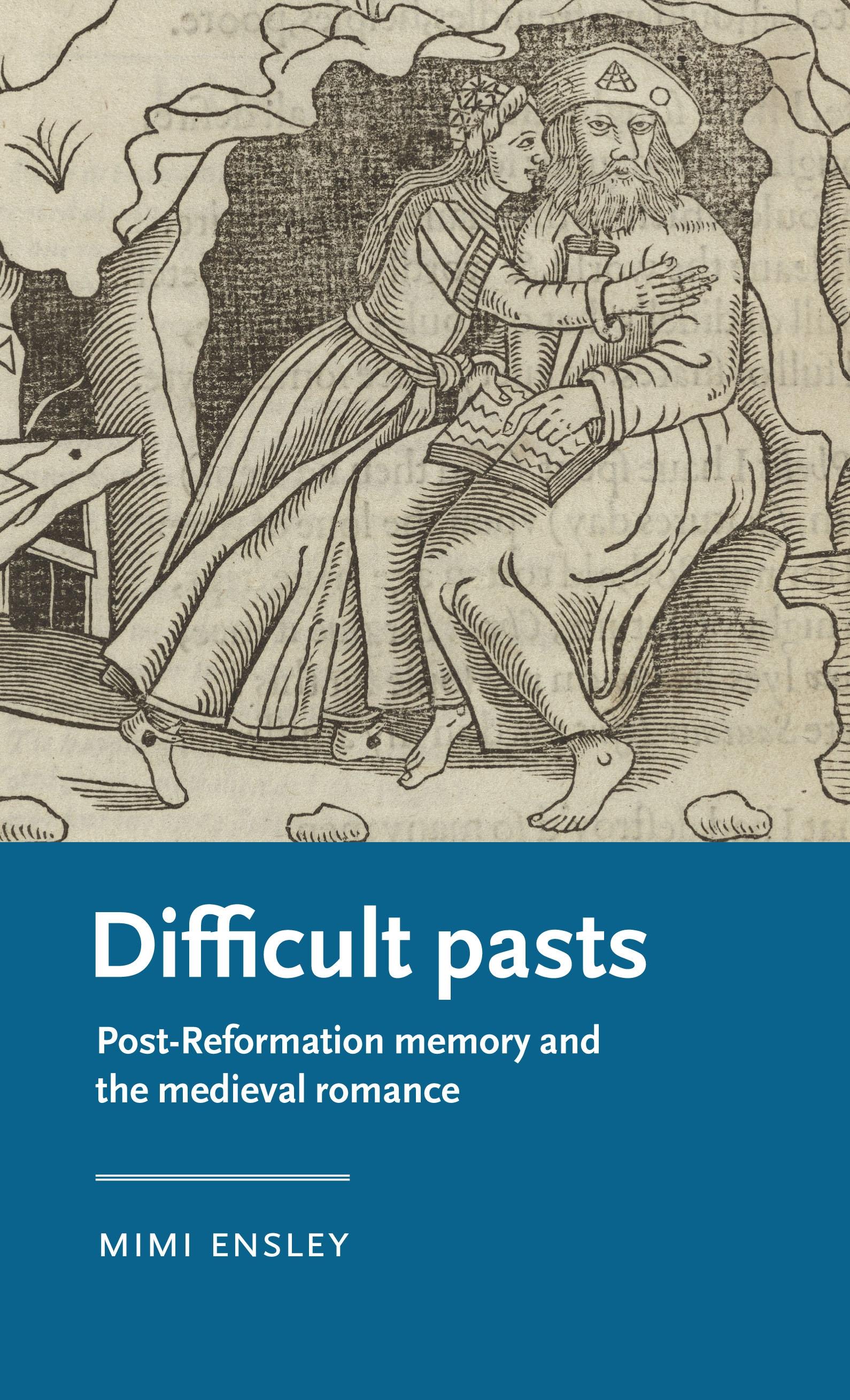
Medieval romances were widely condemned by early modern thinkers: the genre of questing knights and marvellous adventure was decried as bloody, bawdy and superstitious. Despite such proclamations, though, the Middle English romance genre remained popular across the early modern period.
Difficult pasts examines the reception of Middle English romances after the Protestant Reformation in England, arguing that the genre’s popularity rested not in its violent or superstitious qualities, but in its multivocality. Incorporating insights from book history, reception history and cultural memory studies, Ensley argues that the medieval romance book became a flexible site of memory with which early modern readers could both connect with and distance themselves from the recent ‘difficult past’, a past that invited controversy and encouraged divided perspectives. Central characters in this study range from canonical authors like Geoffrey Chaucer and Edmund Spenser to less studied figures, such as printer William Copland, Elizabethan scribe Edward Banister and seventeenth-century poet and romance enthusiast, John Lane. In uniting a wide range of romance readers’ perspectives, the book complicates clear ruptures between manuscript and print, Catholic and Protestant, or medieval and Renaissance. Difficult pasts reveals how the romance book offers a new way to understand the simultaneous change and continuity that defines post-Reformation England.
Paga fácilmente con tarjeta, Klarna, Apple Pay o Google Pay. ¿No estás contento? Siempre tienes 14 días de garantía de devolución. Lee más en nuestros términos. Si tienes preguntas, escríbenos a hello@memmo.org.
Memmo hace que estudiar sea más fácil, estés donde estés. Aquí tienes tus libros de texto y herramientas de estudio inteligentes en un solo lugar: resúmenes, quizzes, podcasts y flashcards. Y también a Ted, tu compañero de estudio que responde a todo lo que te preguntes. Más de 50 000 estudiantes ya estudian aquí. Está hecho para que aprendas más rápido y te estreses menos.