
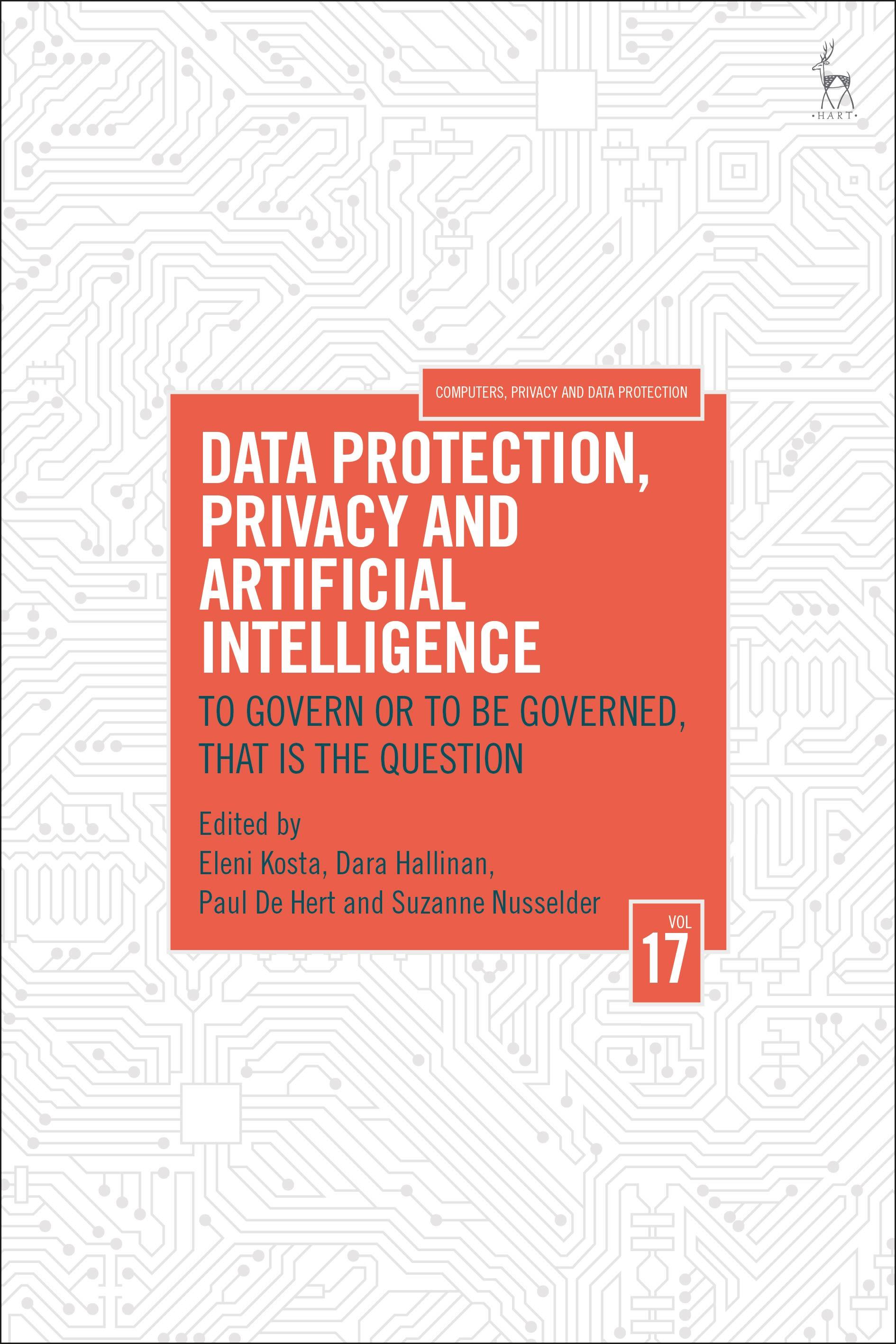
This book examines the discourse and developments surrounding privacy and data protection in the digital realm, featuring papers and discussions from the 2024 CPDP.ai international conference.
The question of governance-whether to lead or be led-has never been more relevant. Thus, the book not only addresses privacy and data protection, but also highlights issues related to the governance of artificial intelligence and the regulatory changes introduced by the EU AI Act.
The book features comprehensive discussions on the adequacy and effectiveness of the governance mechanisms established by the EU AI Act, particularly emphasising standardisation, co-regulation, and human oversight, while also identifying existing gaps in protection. Additionally, it pays special attention to the risks to fundamental rights associated with AI usage by law enforcement agencies, examining whether the current legal framework sufficiently safeguards against these risks. Finally, the book provides an in-depth exploration of deepnude and deepfake technology that generates nude images, as well as the role of AI in the EU's migration management systems.
The chapters in this book provide readers with an opportunity to explore the challenges and developments related to privacy, data protection, and artificial intelligence. By presenting academic insights alongside contributions from practitioners, civil society, and the European Data Protection Supervisor, this interdisciplinary volume encapsulates the essence of the CPDP.ai 2024 conference.
The question of governance-whether to lead or be led-has never been more relevant. Thus, the book not only addresses privacy and data protection, but also highlights issues related to the governance of artificial intelligence and the regulatory changes introduced by the EU AI Act.
The book features comprehensive discussions on the adequacy and effectiveness of the governance mechanisms established by the EU AI Act, particularly emphasising standardisation, co-regulation, and human oversight, while also identifying existing gaps in protection. Additionally, it pays special attention to the risks to fundamental rights associated with AI usage by law enforcement agencies, examining whether the current legal framework sufficiently safeguards against these risks. Finally, the book provides an in-depth exploration of deepnude and deepfake technology that generates nude images, as well as the role of AI in the EU's migration management systems.
The chapters in this book provide readers with an opportunity to explore the challenges and developments related to privacy, data protection, and artificial intelligence. By presenting academic insights alongside contributions from practitioners, civil society, and the European Data Protection Supervisor, this interdisciplinary volume encapsulates the essence of the CPDP.ai 2024 conference.
Paga fácilmente con tarjeta, Klarna, Apple Pay o Google Pay. ¿No estás contento? Siempre tienes 14 días de garantía de devolución. Lee más en nuestros términos. Si tienes preguntas, escríbenos a hello@memmo.org.
Memmo hace que estudiar sea más fácil, estés donde estés. Aquí tienes tus libros de texto y herramientas de estudio inteligentes en un solo lugar: resúmenes, quizzes, podcasts y flashcards. Y también a Ted, tu compañero de estudio que responde a todo lo que te preguntes. Más de 50 000 estudiantes ya estudian aquí. Está hecho para que aprendas más rápido y te estreses menos.