
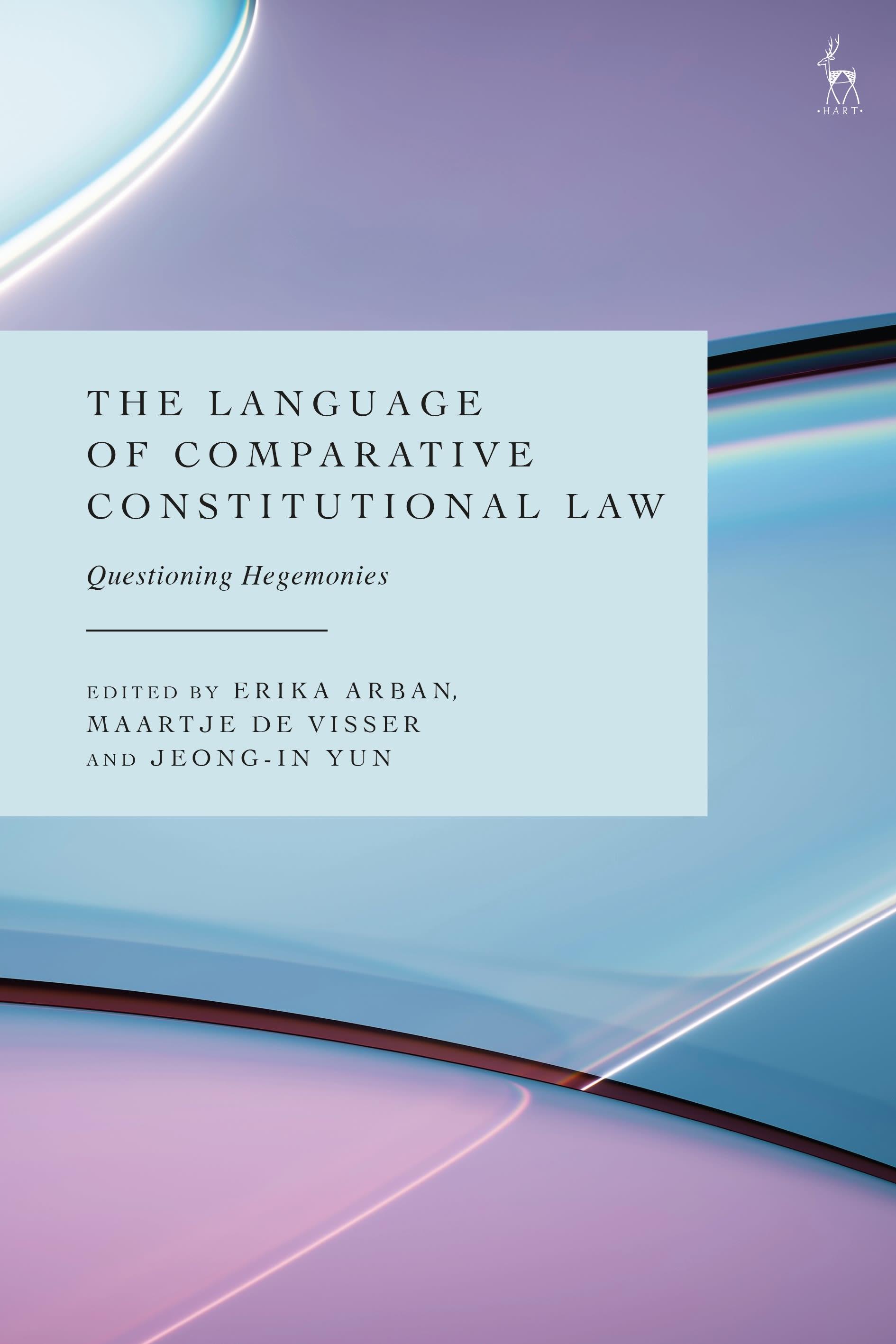
This volume is the first in-depth collection to explore the impact of language on the field of comparative constitutional law.
It addresses the epistemological and conceptual implications of English as the lingua franca. In this regard, it considers the global influence of Anglophone jurisdictions in orienting the discourse through the identification of concepts, designs and ideas that warrant engagement and exploration outside of those origin jurisdictions. In doing so, the book underscores that language is not a neutral device but can produce hegemonic pressures and expectations. It further makes the role of language in conducting comparative constitutional law explicit, so that its users can be more deliberate in their selection of foreign materials and are made conscious of the limitations of their findings due to language barriers.
The book calls for a reckoning with the rich constitutional vocabulary that non-Anglophone jurisdictions have to offer to ensure a more holistic approach to the creation of knowledge. It also emphasises the need for the contextualised study of constitutional phenomena to appreciate how these are shaped by linguistic choices. In addition to raising awareness about language's significance as an epistemological, conceptual and methodological device, the volume also puts forward constructive tools and techniques to harness language's potential, making it an indispensable resource for scholars, students, lawmakers and judges.
It addresses the epistemological and conceptual implications of English as the lingua franca. In this regard, it considers the global influence of Anglophone jurisdictions in orienting the discourse through the identification of concepts, designs and ideas that warrant engagement and exploration outside of those origin jurisdictions. In doing so, the book underscores that language is not a neutral device but can produce hegemonic pressures and expectations. It further makes the role of language in conducting comparative constitutional law explicit, so that its users can be more deliberate in their selection of foreign materials and are made conscious of the limitations of their findings due to language barriers.
The book calls for a reckoning with the rich constitutional vocabulary that non-Anglophone jurisdictions have to offer to ensure a more holistic approach to the creation of knowledge. It also emphasises the need for the contextualised study of constitutional phenomena to appreciate how these are shaped by linguistic choices. In addition to raising awareness about language's significance as an epistemological, conceptual and methodological device, the volume also puts forward constructive tools and techniques to harness language's potential, making it an indispensable resource for scholars, students, lawmakers and judges.
Paga fácilmente con tarjeta, Klarna, Apple Pay o Google Pay. ¿No estás contento? Siempre tienes 14 días de garantía de devolución. Lee más en nuestros términos. Si tienes preguntas, escríbenos a hello@memmo.org.
Memmo hace que estudiar sea más fácil, estés donde estés. Aquí tienes tus libros de texto y herramientas de estudio inteligentes en un solo lugar: resúmenes, quizzes, podcasts y flashcards. Y también a Ted, tu compañero de estudio que responde a todo lo que te preguntes. Más de 50 000 estudiantes ya estudian aquí. Está hecho para que aprendas más rápido y te estreses menos.