
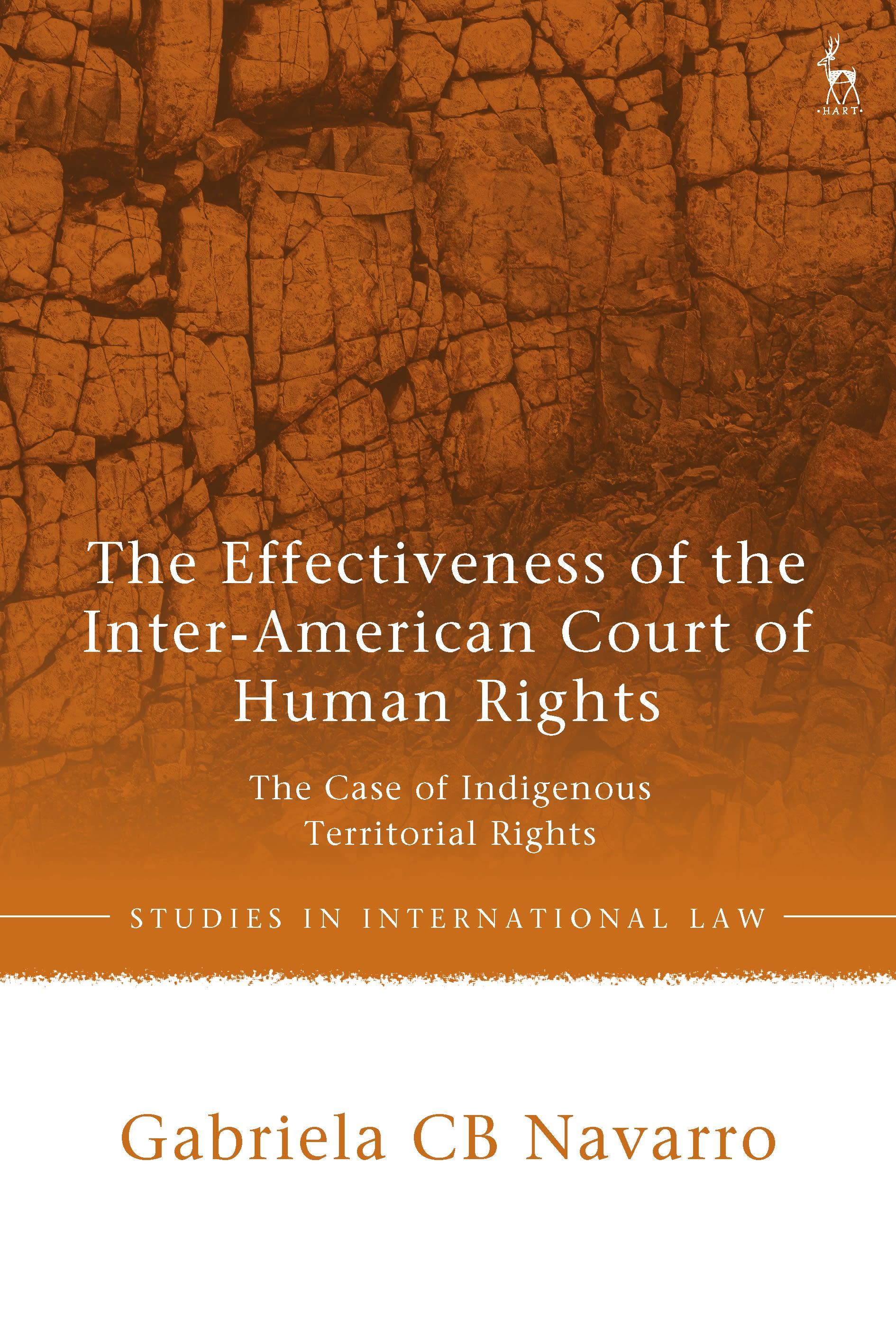
The Inter-American Court of Human Rights has the most developed jurisprudence on indigenous rights, yet this case law is understudied. This book addresses this gap by exploring the Court and its cases from both the perspective of international law and the legal protection of indigenous territories.
Setting out the network of actors and institutions involved in such litigation, it examines the motivations and constraints in domestic politics affecting international orders (and by extension the impact of the Court). It provides both an important statement on the effectiveness of international tribunals and a fascinating insight into the evolution of indigenous rights.
Setting out the network of actors and institutions involved in such litigation, it examines the motivations and constraints in domestic politics affecting international orders (and by extension the impact of the Court). It provides both an important statement on the effectiveness of international tribunals and a fascinating insight into the evolution of indigenous rights.
Paga fácilmente con tarjeta, Klarna, Apple Pay o Google Pay. ¿No estás contento? Siempre tienes 14 días de garantía de devolución. Lee más en nuestros términos. Si tienes preguntas, escríbenos a hello@memmo.org.
Memmo hace que estudiar sea más fácil, estés donde estés. Aquí tienes tus libros de texto y herramientas de estudio inteligentes en un solo lugar: resúmenes, quizzes, podcasts y flashcards. Y también a Ted, tu compañero de estudio que responde a todo lo que te preguntes. Más de 50 000 estudiantes ya estudian aquí. Está hecho para que aprendas más rápido y te estreses menos.