
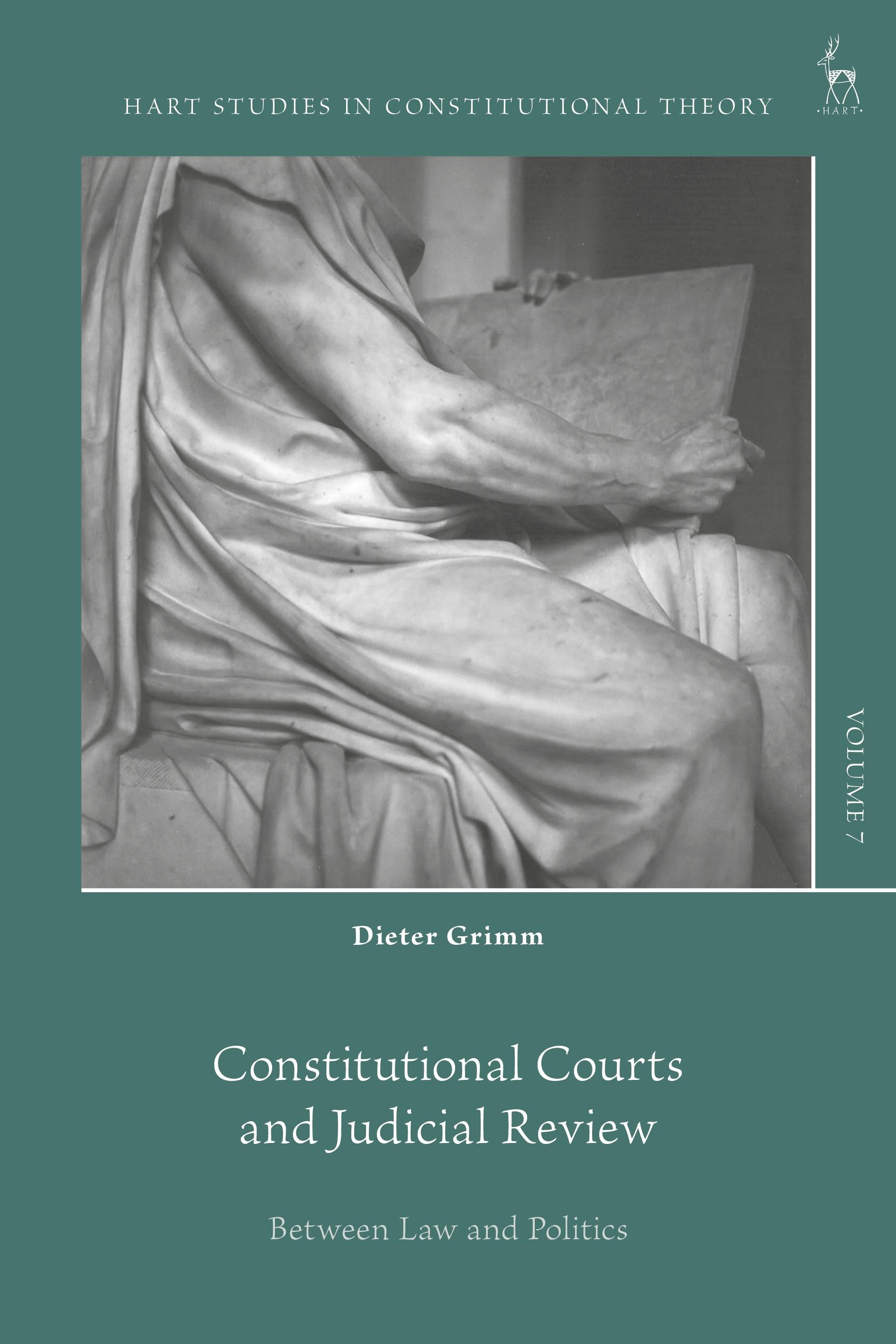
This collection of essays from Dieter Grimm, Germany's most renowned constitutional scholar, shines a light on the jurisprudence of the German Constitutional Court and constitutional adjudication in general.
Established in 1951, the court has become a blueprint for new courts ever since and its jurisprudence, particularly in the field of fundamental rights, has influenced the decisions of judges throughout the world.
After the seismic constitutional changes of the years 1989–90 in Germany and beyond, many countries adopted new democratic constitutions and established constitutional courts in order to make their constitutions effective. Today, many of these courts are under attack both politically and intellectually.
In this book, Grimm considers some of the fundamental questions under academic scrutiny today: are constitutional courts political or legal institutions? Is judicial review a political or a legal activity? Is it a threat to, or a condition, of democracy? Should these courts be abolished or strengthened? Is a rational interpretation of constitutional law possible?
The essays provide answers to these questions and describe how constitutional courts work if they properly fulfill their function of enforcing the constitution. A special emphasis is put on the importance of constitutional interpretation: something, the author argues, that most critics of constitutional adjudication neglect.
Established in 1951, the court has become a blueprint for new courts ever since and its jurisprudence, particularly in the field of fundamental rights, has influenced the decisions of judges throughout the world.
After the seismic constitutional changes of the years 1989–90 in Germany and beyond, many countries adopted new democratic constitutions and established constitutional courts in order to make their constitutions effective. Today, many of these courts are under attack both politically and intellectually.
In this book, Grimm considers some of the fundamental questions under academic scrutiny today: are constitutional courts political or legal institutions? Is judicial review a political or a legal activity? Is it a threat to, or a condition, of democracy? Should these courts be abolished or strengthened? Is a rational interpretation of constitutional law possible?
The essays provide answers to these questions and describe how constitutional courts work if they properly fulfill their function of enforcing the constitution. A special emphasis is put on the importance of constitutional interpretation: something, the author argues, that most critics of constitutional adjudication neglect.
Paga fácilmente con tarjeta, Klarna, Apple Pay o Google Pay. ¿No estás contento? Siempre tienes 14 días de garantía de devolución. Lee más en nuestros términos. Si tienes preguntas, escríbenos a hello@memmo.org.
Memmo hace que estudiar sea más fácil, estés donde estés. Aquí tienes tus libros de texto y herramientas de estudio inteligentes en un solo lugar: resúmenes, quizzes, podcasts y flashcards. Y también a Ted, tu compañero de estudio que responde a todo lo que te preguntes. Más de 50 000 estudiantes ya estudian aquí. Está hecho para que aprendas más rápido y te estreses menos.