
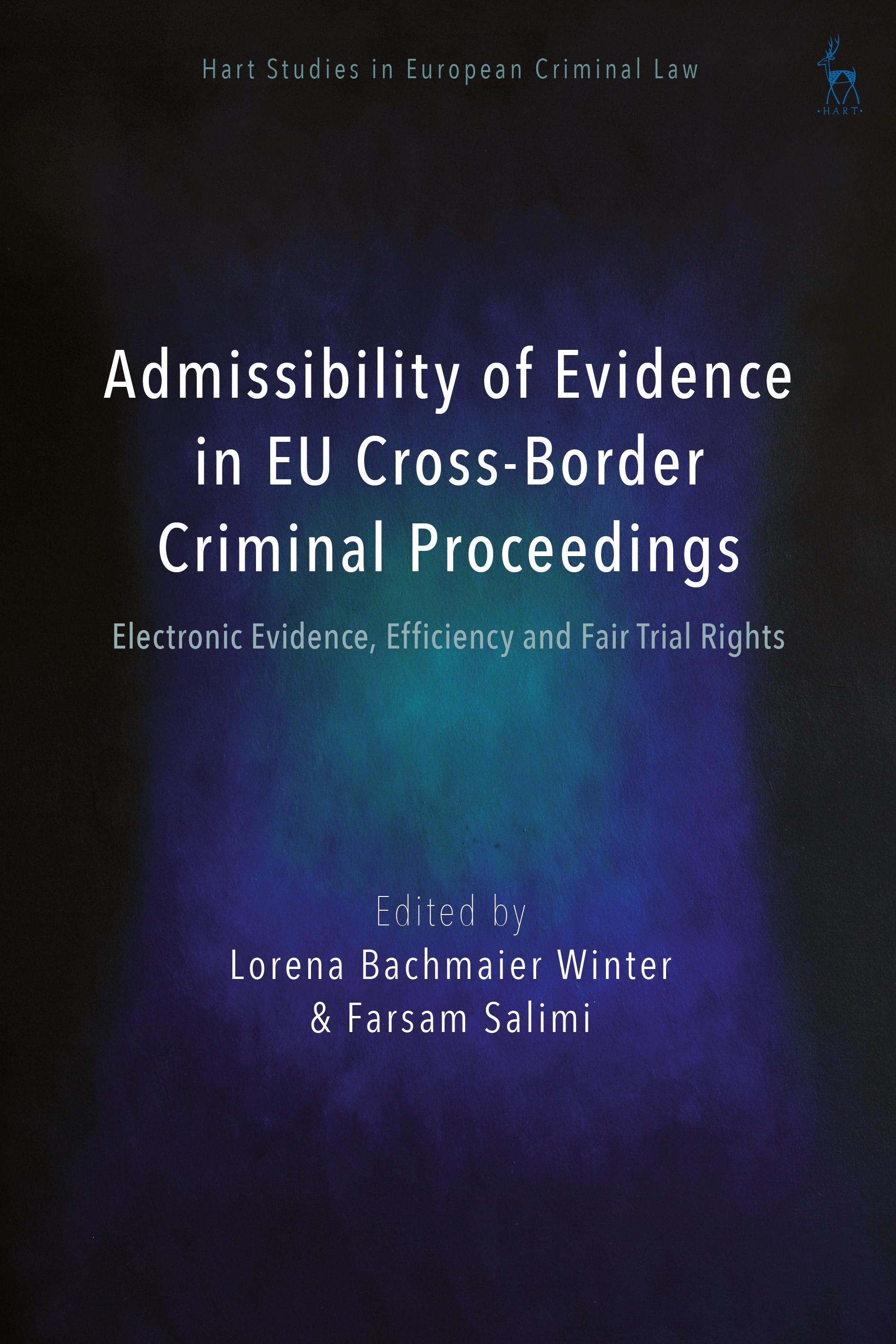
This book provides a systematic and analytical account of the problems facing transnational criminal justice.
It details actual problems arising in the transnational prosecution of crimes; assesses existing obstacles on admissibility of evidence; in particular with regard to electronic evidence, assesses the impact that the impediment of free circulation of evidence has on fundamental rights of the defendants facing criminal trial; and finally drafts a proposal for the future of regulation for this complex topic.
The book therefore contributes to the debate on the creation of an Area of Freedom, Security and Justice in the EU. It offers insights on how to outline the main general rules that could be adopted at EU level in a manner that adequately balances the need for efficiency in prosecution and the protection of human rights.
With contributions of renowned experts in the field, the book addresses the discussion of a potential legislative proposal with the help of insight into the experience and conceptual context of the rules of evidence at the national level. The legislative proposal was adopted by the European Law Institute, who supported the work reflected in this book.
It details actual problems arising in the transnational prosecution of crimes; assesses existing obstacles on admissibility of evidence; in particular with regard to electronic evidence, assesses the impact that the impediment of free circulation of evidence has on fundamental rights of the defendants facing criminal trial; and finally drafts a proposal for the future of regulation for this complex topic.
The book therefore contributes to the debate on the creation of an Area of Freedom, Security and Justice in the EU. It offers insights on how to outline the main general rules that could be adopted at EU level in a manner that adequately balances the need for efficiency in prosecution and the protection of human rights.
With contributions of renowned experts in the field, the book addresses the discussion of a potential legislative proposal with the help of insight into the experience and conceptual context of the rules of evidence at the national level. The legislative proposal was adopted by the European Law Institute, who supported the work reflected in this book.
Paga fácilmente con tarjeta, Klarna, Apple Pay o Google Pay. ¿No estás contento? Siempre tienes 14 días de garantía de devolución. Lee más en nuestros términos. Si tienes preguntas, escríbenos a hello@memmo.org.
Memmo hace que estudiar sea más fácil, estés donde estés. Aquí tienes tus libros de texto y herramientas de estudio inteligentes en un solo lugar: resúmenes, quizzes, podcasts y flashcards. Y también a Ted, tu compañero de estudio que responde a todo lo que te preguntes. Más de 50 000 estudiantes ya estudian aquí. Está hecho para que aprendas más rápido y te estreses menos.