
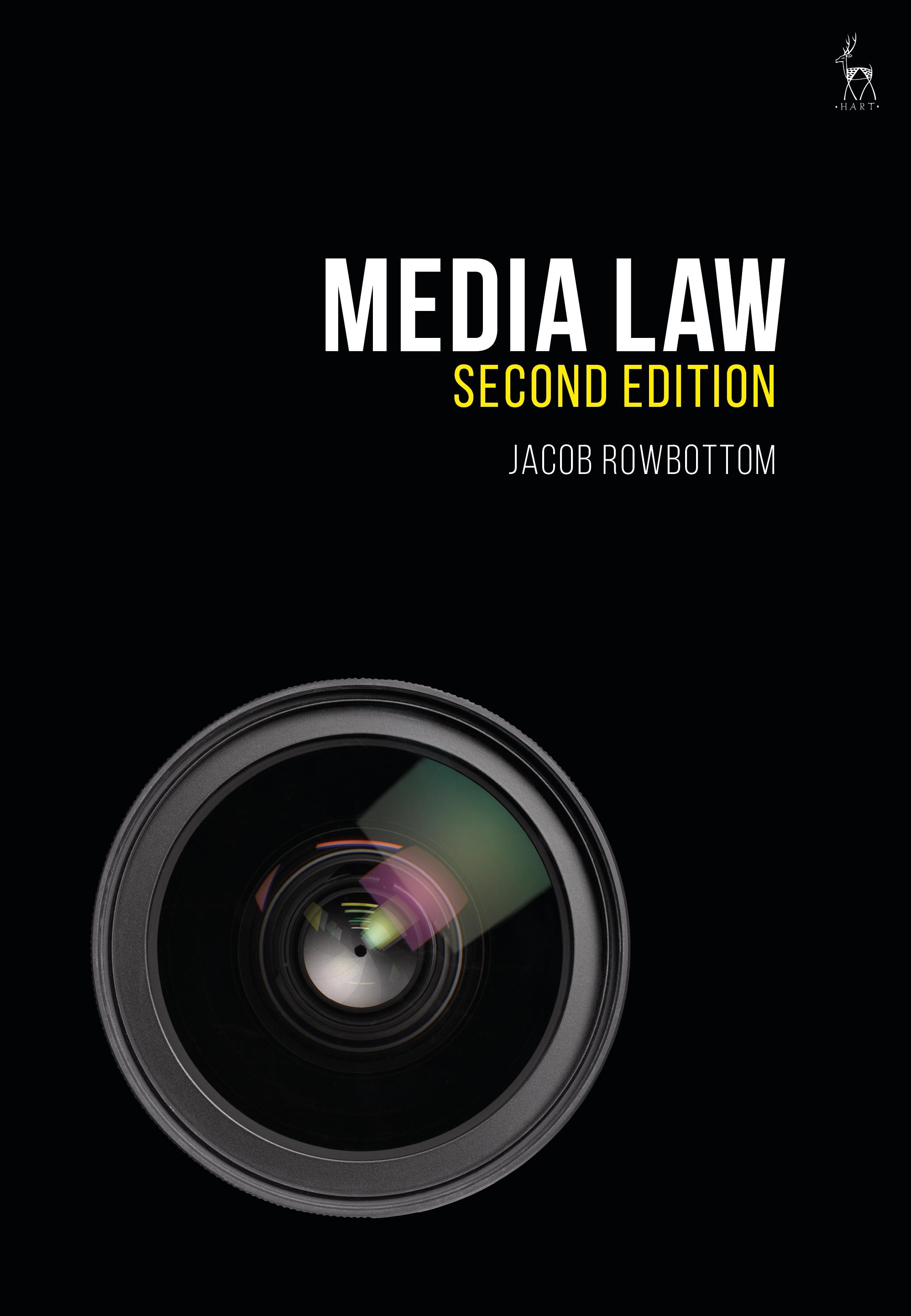
The second edition of this groundbreaking book looks at the key debates and issues in media law, a fast-developing area of scholarship that raises many high-profile and controversial questions.
Recent issues include the privacy rights of public figures, the use of legal tools to silence critics, the right to access information held by public bodies, the political power of media owners, the future of public service broadcasting and the regulation of the digital media. The chapters examine the rights to reputation and privacy, the administration of justice, the role of government censorship, the protection of the newsgathering process, the regulation of the media and the impact of digital communications.
The analysis is grounded in an account of media freedom that looks at the important democratic functions performed by the media and journalism. Examining various key themes, the book shows how those functions continue to evolve in a changing political culture and also how the media are subject to a range of legal and informal constraints. The book asks whether the law strikes the right balance in protecting media freedom while preventing the abuse of media power, and considers the future of media law in the digital era.
Authoritative and accessible, the book is essential reading for students and scholars of media law alike.
Recent issues include the privacy rights of public figures, the use of legal tools to silence critics, the right to access information held by public bodies, the political power of media owners, the future of public service broadcasting and the regulation of the digital media. The chapters examine the rights to reputation and privacy, the administration of justice, the role of government censorship, the protection of the newsgathering process, the regulation of the media and the impact of digital communications.
The analysis is grounded in an account of media freedom that looks at the important democratic functions performed by the media and journalism. Examining various key themes, the book shows how those functions continue to evolve in a changing political culture and also how the media are subject to a range of legal and informal constraints. The book asks whether the law strikes the right balance in protecting media freedom while preventing the abuse of media power, and considers the future of media law in the digital era.
Authoritative and accessible, the book is essential reading for students and scholars of media law alike.
Paga fácilmente con tarjeta, Klarna, Apple Pay o Google Pay. ¿No estás contento? Siempre tienes 14 días de garantía de devolución. Lee más en nuestros términos. Si tienes preguntas, escríbenos a hello@memmo.org.
Memmo hace que estudiar sea más fácil, estés donde estés. Aquí tienes tus libros de texto y herramientas de estudio inteligentes en un solo lugar: resúmenes, quizzes, podcasts y flashcards. Y también a Ted, tu compañero de estudio que responde a todo lo que te preguntes. Más de 50 000 estudiantes ya estudian aquí. Está hecho para que aprendas más rápido y te estreses menos.