
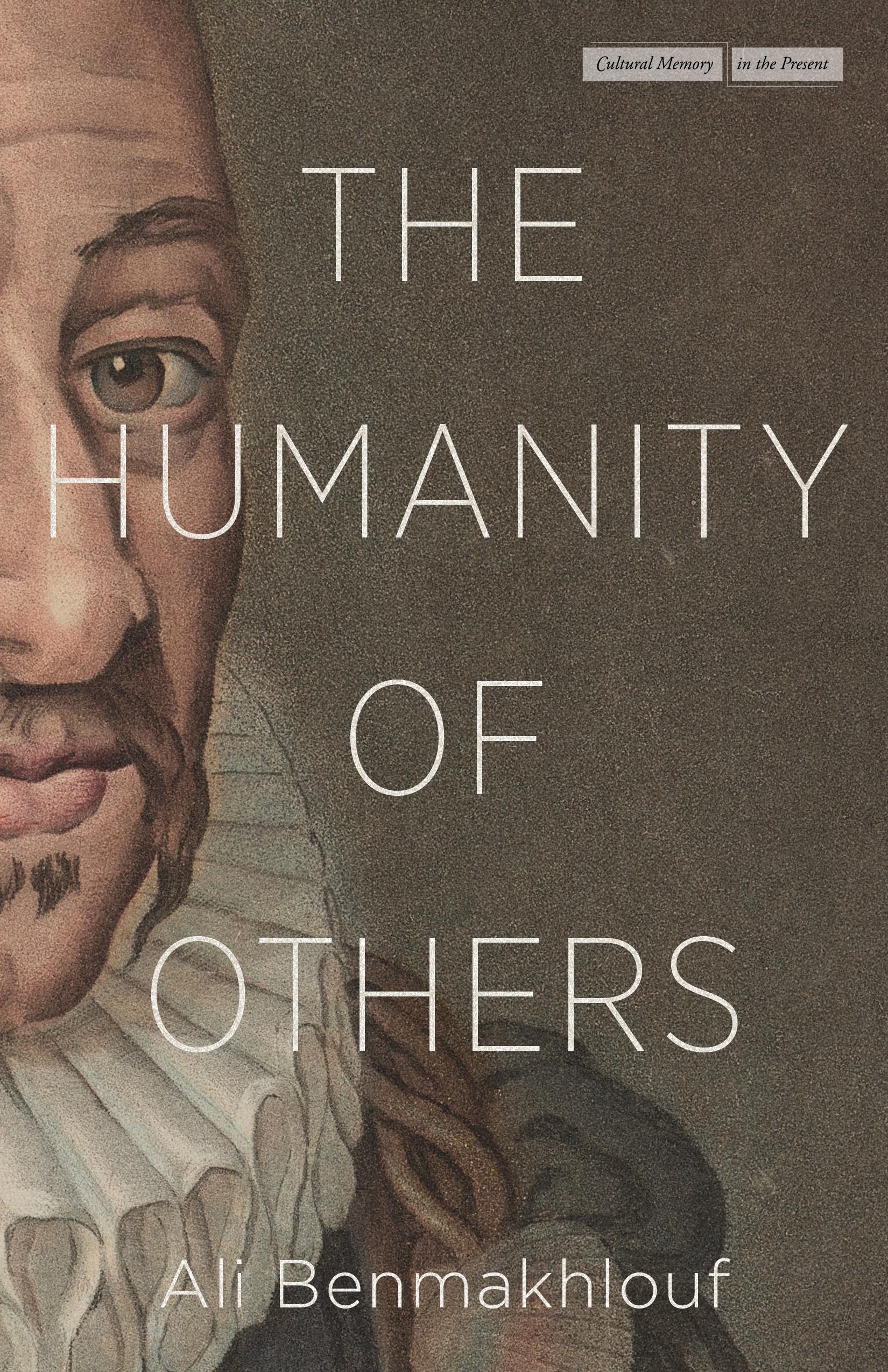
How should we speak of humanism today? To answer this question, Moroccan philosopher Ali Benmakhlouf turns to Montaigne. Through a rich and attentive reading of Montaigne's Essays, Benmakhlouf reminds us why the sixteenth-century author remains relevant today when the need to recognize the "humanity of others"—from the cry of "Black Lives Matter" to the anonymous deaths of migrants drowning in the Mediterranean Sea—is as urgent as ever.
Always alert to his times, Montaigne wrote about the diversity of others who entered into Europe's consciousness during the Renaissance: natives of the Americas, Turks, or Africans, without forgetting those close at home who, "emaciated from hunger," begged at the doors of those "gorged with all kinds of commodities." Montaigne enumerated and detailed these different ways of life but, as Benmakhlouf argues, his main concern was with others in the plural as opposed to the other, an abstract philosophical term.
Retracing Western humanism from Pico della Mirandola to Sartre, via Ibn Tufayl, a twelfth-century Andalusian author, Benmakhlouf navigates the plurality of European philosophy. By orchestrating a skillful dialogue between a variety of authors, Benmakhlouf brilliantly demonstrates the topicality of Montaigne. Wishing to rehabilitate humanism as embodied by Montaigne, the author calls for the unity of the human race that can only be found at the heart of real diversity.
Paga fácilmente con tarjeta, Klarna, Apple Pay o Google Pay. ¿No estás contento? Siempre tienes 14 días de garantía de devolución. Lee más en nuestros términos. Si tienes preguntas, escríbenos a hello@memmo.org.
Memmo hace que estudiar sea más fácil, estés donde estés. Aquí tienes tus libros de texto y herramientas de estudio inteligentes en un solo lugar: resúmenes, quizzes, podcasts y flashcards. Y también a Ted, tu compañero de estudio que responde a todo lo que te preguntes. Más de 50 000 estudiantes ya estudian aquí. Está hecho para que aprendas más rápido y te estreses menos.