
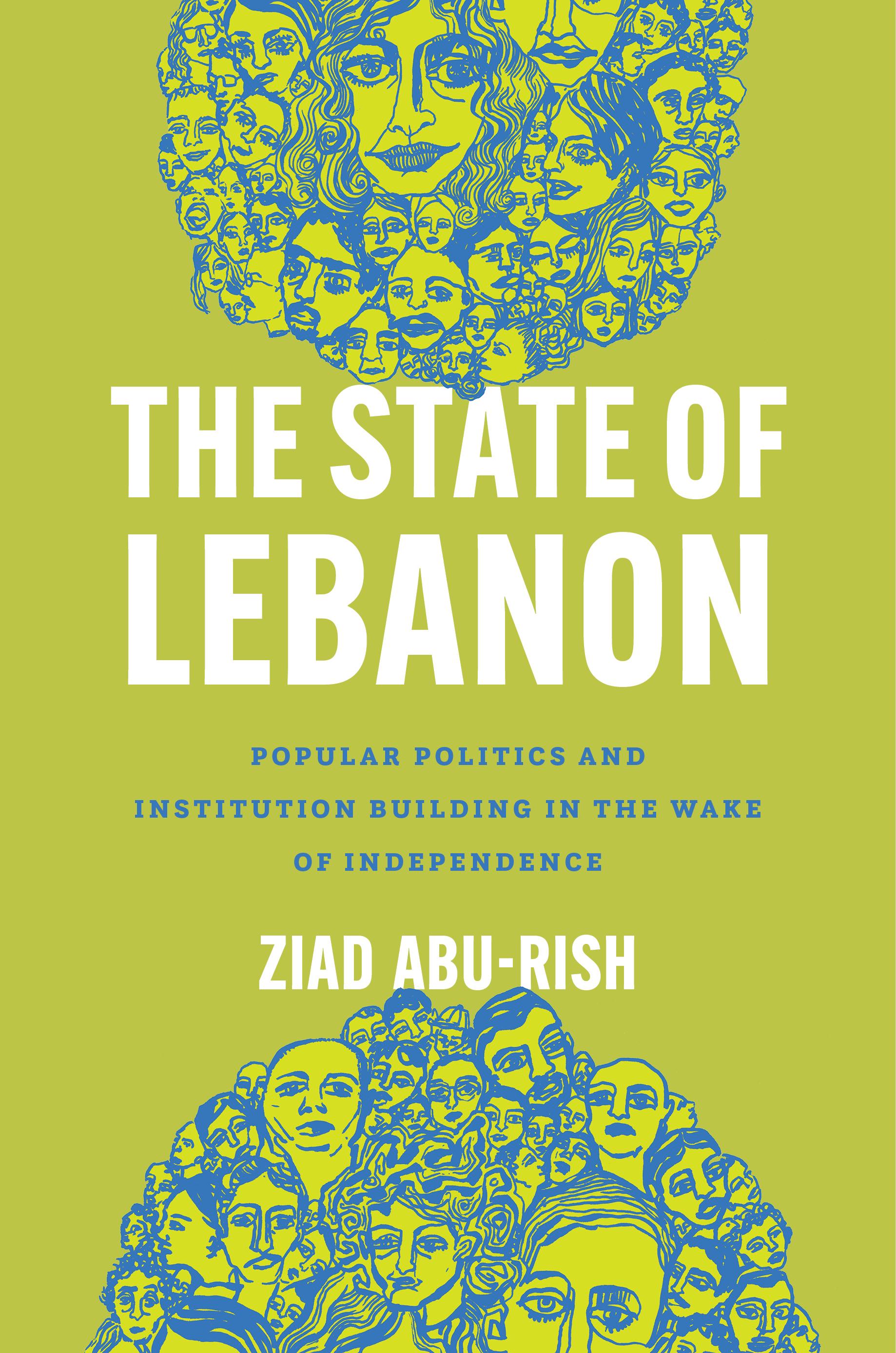
Lebanon gained its formal political independence in 1943. During the dozen years that followed, women and men across class, sectarian, geographic, and ideological divides built, challenged, and reformed the institutional arrangements that would shape the country. With this book, Ziad Abu-Rish traces shifting patterns of alliances and conflict that shaped the material and representational production of the Lebanese nation-state. Exploring labor regimes, women's suffrage, the provision of electricity in Beirut, public education, and the armed forces—and the meetings, lectures, pamphlets, delegations, and protests they produced—Abu-Rish demonstrates how elite and popular groups mobilized normative ideas about independence and state power.
The State of Lebanon offers a new social and institutional history of post-colonial Lebanon. Abu-Rish challenges common narratives of an absent, weak, or failed state. Instead, state institutional arrangements emerge as objects and subjects of political mobilization by politicians, bureaucrats, party activists, students, and workers. Rather than read history backward from the present, he approaches the past on its own terms. In so doing, Abu-Rish offers significant insights into politics, social life, and the state in Lebanon—grounded in the early post-independence period yet critical to how we understand Lebanon today.
Paga fácilmente con tarjeta, Klarna, Apple Pay o Google Pay. ¿No estás contento? Siempre tienes 14 días de garantía de devolución. Lee más en nuestros términos. Si tienes preguntas, escríbenos a hello@memmo.org.
Memmo hace que estudiar sea más fácil, estés donde estés. Aquí tienes tus libros de texto y herramientas de estudio inteligentes en un solo lugar: resúmenes, quizzes, podcasts y flashcards. Y también a Ted, tu compañero de estudio que responde a todo lo que te preguntes. Más de 50 000 estudiantes ya estudian aquí. Está hecho para que aprendas más rápido y te estreses menos.