
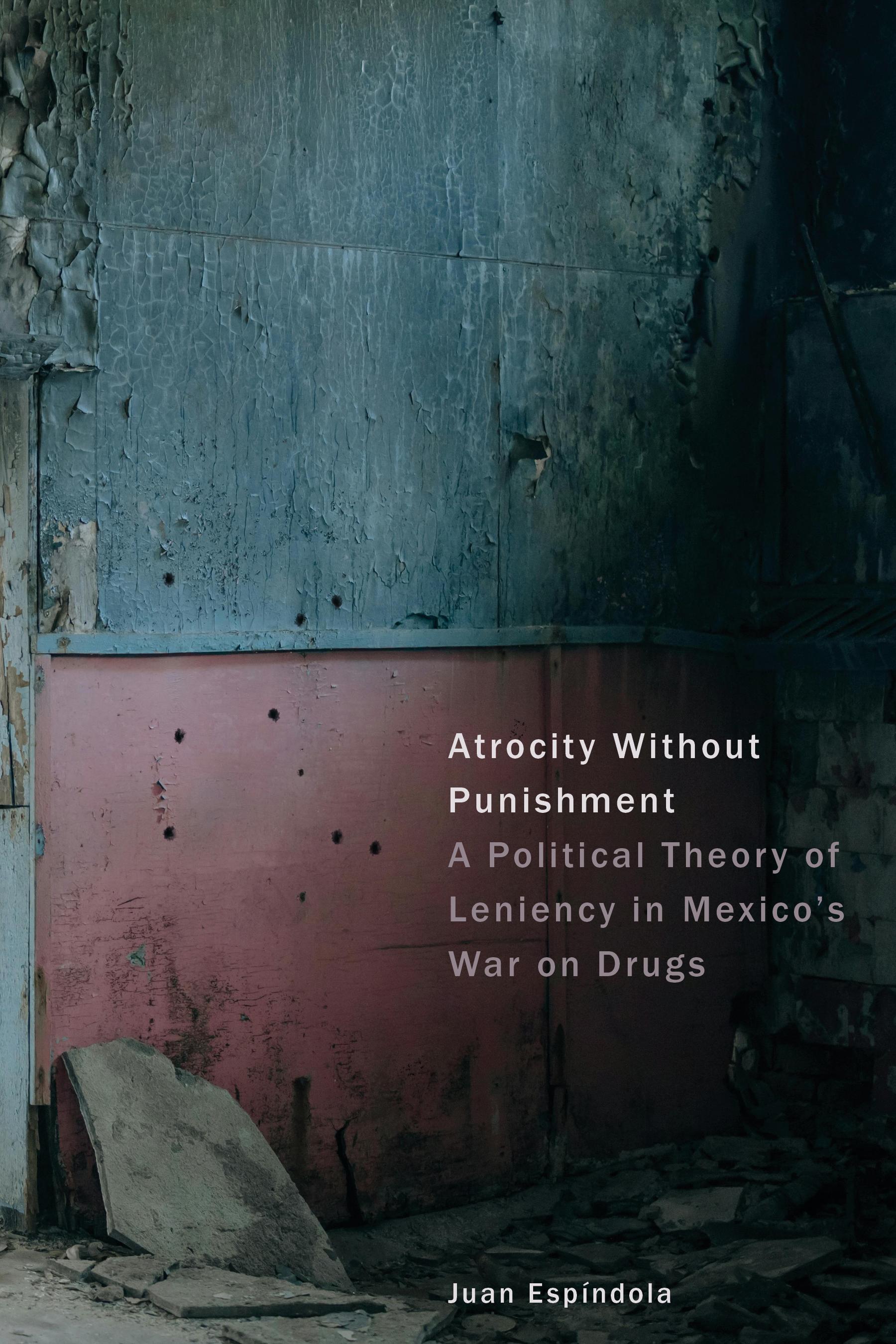
Leniency might sometimes be the ethical response to atrocity. However, the more extraordinary an act of violence is, the greater the compulsion to severely punish the offender. The rationale is that the threat of harsh punishment will be more effective at preventing crime. At the same time, the notion that criminal justice is corrupt and ineffective has become commonplace. At the center of these conflicting trends is a puzzle that this book sets out to solve: what if punishment should not only be judged by its effectiveness, but also by its morality?
Mexico's War on Drugs has unleashed an endless cycle of violence in the country. The resulting human toll is catastrophic. Atrocity Without Punishment advances ethically compelling reasons to impose lenient sentences on offenders involved in drug trafficking, including many who commit serious offenses. Juan Espíndola argues that this is in fact a morally permissible, even obligatory, way to hold perpetrators accountable.
From this vantage point, Espíndola problematizes the relationship between punishment and core political values such as legitimacy and justice. By challenging the criminal justice system in this way, he charts a path toward a more just criminal legal system that can muster the support of those who reject abolitionism.
Paga fácilmente con tarjeta, Klarna, Apple Pay o Google Pay. ¿No estás contento? Siempre tienes 14 días de garantía de devolución. Lee más en nuestros términos. Si tienes preguntas, escríbenos a hello@memmo.org.
Memmo hace que estudiar sea más fácil, estés donde estés. Aquí tienes tus libros de texto y herramientas de estudio inteligentes en un solo lugar: resúmenes, quizzes, podcasts y flashcards. Y también a Ted, tu compañero de estudio que responde a todo lo que te preguntes. Más de 50 000 estudiantes ya estudian aquí. Está hecho para que aprendas más rápido y te estreses menos.