
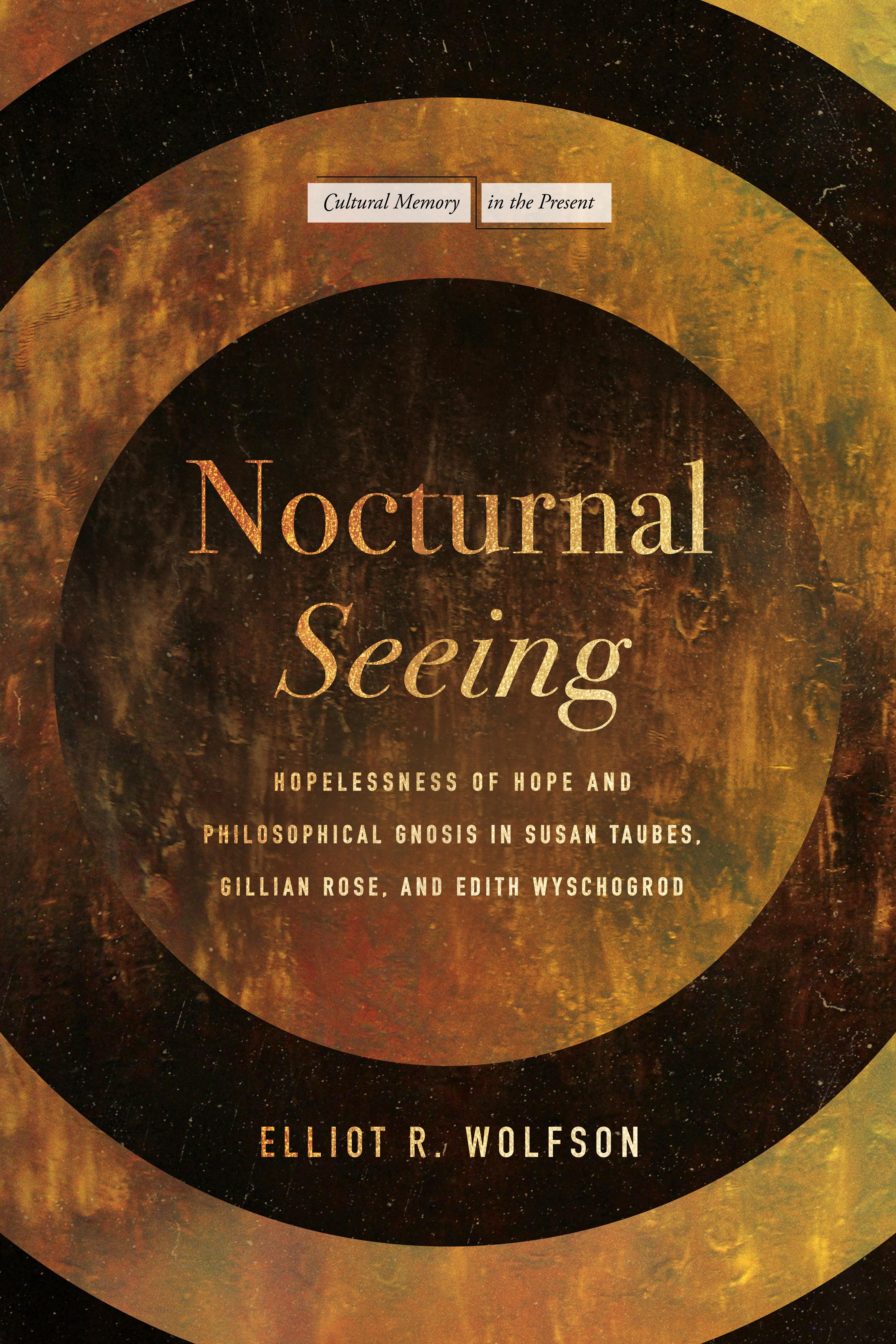
In this erudite new work, Elliot R. Wolfson explores philosophical gnosis in the writings of Susan Taubes, Gillian Rose, and Edith Wyschogrod. The juxtaposition of these three extraordinary, albeit relatively neglected, philosophers provides a prism through which Wolfson scrutinizes the interplay of ethics, politics, and theology. The bond that ties together the diverse and multifaceted worldviews promulgated by Taubes, Rose, and Wyschogrod is the mutual recognition of the need to enunciate a response to the calamities of the twentieth century based on an incontrovertible acknowledgment of the decadence and malevolence of human beings, without, however, succumbing to acrimony and despair. The speculation of each of these philosophers on melancholia and the tragicomedy of being is unquestionably intricate, exhibiting subtle variations and idiosyncrasies, but we can nevertheless identify a common denominator in their attempt to find the midpoint positioned between hope and hopelessness. As Wolfson articulates, Taubes, Rose, and Wyschogrod exemplify a philosophical sensibility informed by a nocturnal seeing, which is not merely a seeing in the night but rather a seeing of the night. Ultimately, the book reveals the potential for these thinkers' ideas to enhance our moral sensitivity and to encourage participation in the ongoing struggle for meaning and decency in the present.
Paga fácilmente con tarjeta, Klarna, Apple Pay o Google Pay. ¿No estás contento? Siempre tienes 14 días de garantía de devolución. Lee más en nuestros términos. Si tienes preguntas, escríbenos a hello@memmo.org.
Memmo hace que estudiar sea más fácil, estés donde estés. Aquí tienes tus libros de texto y herramientas de estudio inteligentes en un solo lugar: resúmenes, quizzes, podcasts y flashcards. Y también a Ted, tu compañero de estudio que responde a todo lo que te preguntes. Más de 50 000 estudiantes ya estudian aquí. Está hecho para que aprendas más rápido y te estreses menos.