
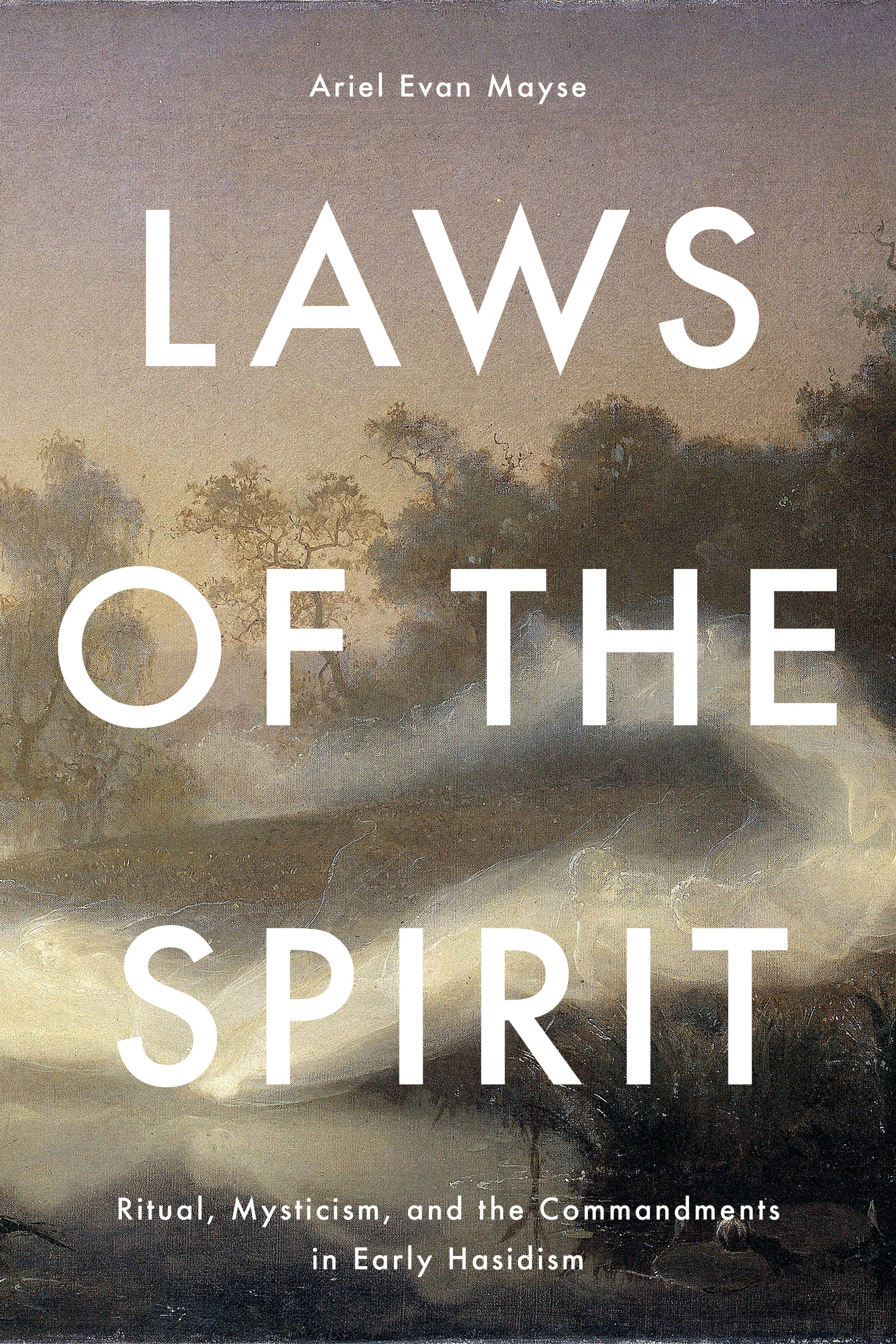
The compelling vision of religious life and practice found in Hasidic sources has made it the most enduring and successful Jewish movement of spiritual renewal of all time. In this book, Ariel Evan Mayse grapples with one of Hasidism's most vexing questions: how did a religious movement known for its radical views about immanence, revelation, and the imperative to serve God with joy simultaneously produce strict adherence to the structures and obligations of Jewish law? Exploring the movement from its emergence in the mid-1700s until 1815, Mayse argues that the exceptionality of Hasidism lies not in whether its leaders broke or upheld rabbinic norms, but in the movement's vivid attempt to rethink the purpose of Jewish ritual and practice. Rather than focusing on the commandments as law, he turns to the methods and vocabulary of ritual studies as a more productive way to reckon with the contradictions and tensions of this religious movement as well as its remarkable intellectual vitality.
Mayse examines the full range of Hasidic texts from the eighteenth and early nineteenth centuries, from homilies and theological treatises to hagiography, letters, and legal writings, reading them together with contemporary theories of ritual. Arguing against the notion that spiritual integrity requires unshackling oneself from tradition, Laws of the Spirit is a sweeping attempt to rethink the meaning and significance of religious practice in early Hasidism.
Paga fácilmente con tarjeta, Klarna, Apple Pay o Google Pay. ¿No estás contento? Siempre tienes 14 días de garantía de devolución. Lee más en nuestros términos. Si tienes preguntas, escríbenos a hello@memmo.org.
Memmo hace que estudiar sea más fácil, estés donde estés. Aquí tienes tus libros de texto y herramientas de estudio inteligentes en un solo lugar: resúmenes, quizzes, podcasts y flashcards. Y también a Ted, tu compañero de estudio que responde a todo lo que te preguntes. Más de 50 000 estudiantes ya estudian aquí. Está hecho para que aprendas más rápido y te estreses menos.