
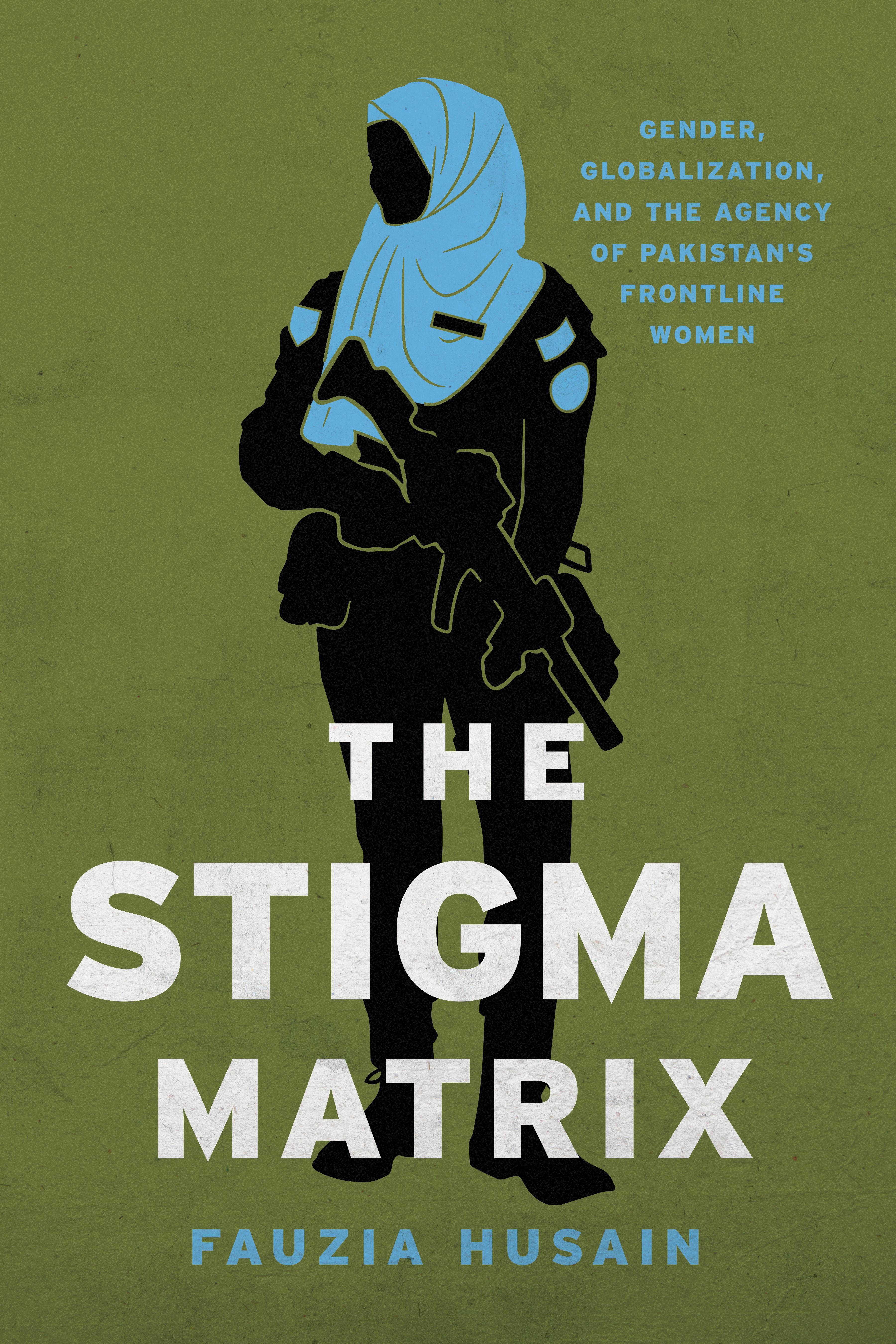
As developing states adopt neoliberal policies, more and more working-class women find themselves pulled into the public sphere. They are pressed into wage work by a privatizing and unstable job market. Likewise, they are pulled into public roles by gender mainstreaming policies that developing states must sign on to in order to receive transnational aid. Their inclusion into the political economy is very beneficial for society, but is it also beneficial for women? In The Stigma Matrix Fauzia Husain draws on the experiences of policewomen, lady health workers, and airline attendants, all frontline workers who help the Pakistani state, and its global allies, address, surveil, and discipline veiled women citizens. These women, she finds, confront a stigma matrix: a complex of local and global, historic, and contemporary factors that work together to complicate women's integration into public life. The experiences of the three groups Husain examines reveal that inclusion requires more than quotas or special seats. This book advances critical feminist and sociological frameworks on stigma and agency showing that both concepts are made up of multiple layers of meaning, and are entangled with elite projects of hegemony.
Paga fácilmente con tarjeta, Klarna, Apple Pay o Google Pay. ¿No estás contento? Siempre tienes 14 días de garantía de devolución. Lee más en nuestros términos. Si tienes preguntas, escríbenos a hello@memmo.org.
Memmo hace que estudiar sea más fácil, estés donde estés. Aquí tienes tus libros de texto y herramientas de estudio inteligentes en un solo lugar: resúmenes, quizzes, podcasts y flashcards. Y también a Ted, tu compañero de estudio que responde a todo lo que te preguntes. Más de 50 000 estudiantes ya estudian aquí. Está hecho para que aprendas más rápido y te estreses menos.