
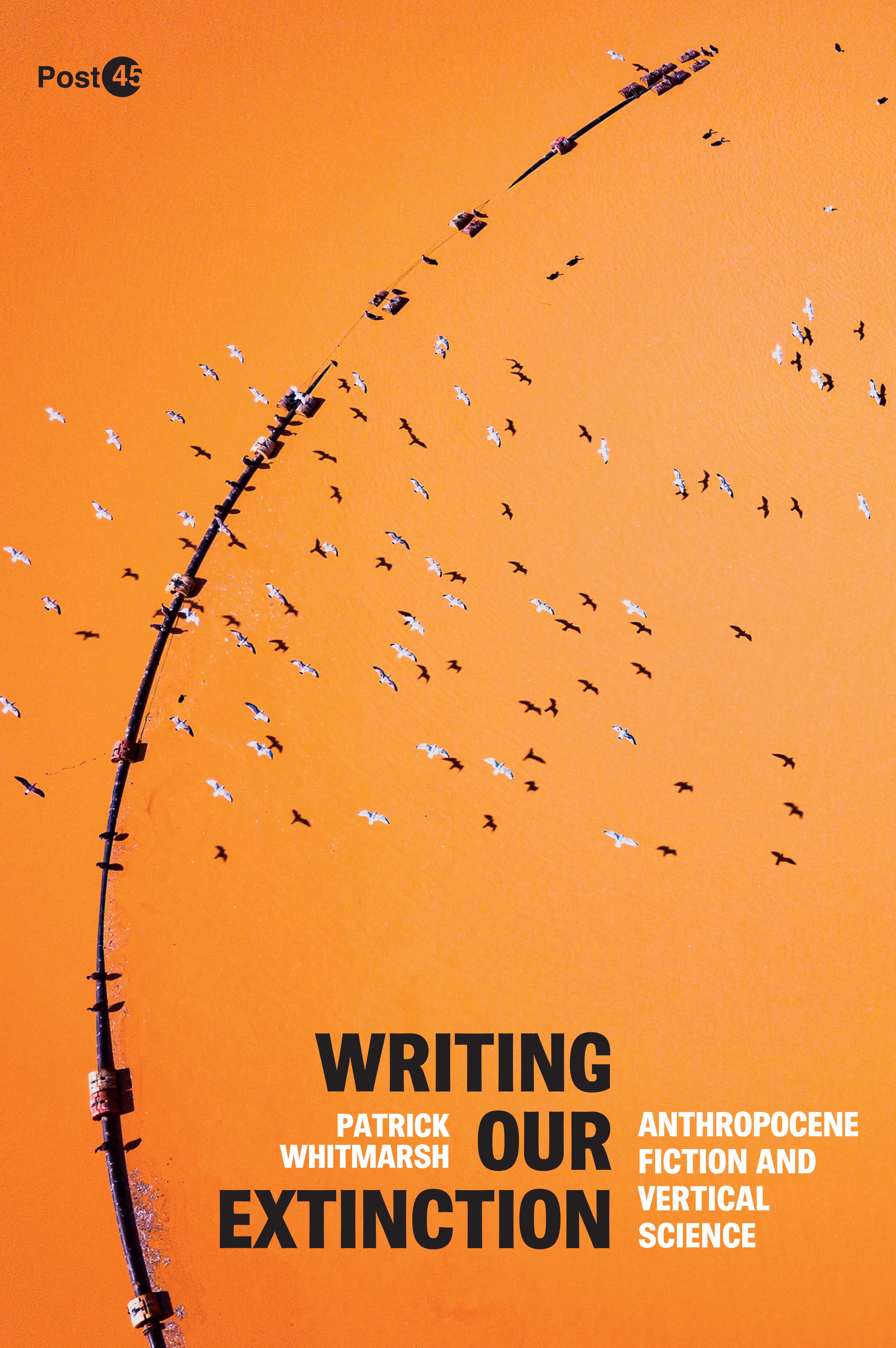
Mid-twentieth-century developments in science and technology produced new understandings and images of the planet that circulated the globe, giving rise to a modern ecological consciousness; but they also contributed to accelerating crises in the global environment, including climate change, pollution, and waste. In this new work, Patrick Whitmarsh analyzes postwar narrative fictions that describe, depict, or express the earth from above (the aerial) and below (the subterranean), revealing the ways that literature has engaged this history of vertical science and linked it to increasing environmental precarity, up to and including the extinction of humankind.
Whitmarsh examines works by writers such as Don DeLillo, Karen Tei Yamashita, Reza Negarestani, and Colson Whitehead alongside postwar scientific programs including the Space Race, atmospheric and underground nuclear testing, and geological expeditions such as Project Mohole (which attempted to drill to the earth's mantle). As Whitmarsh argues, by focusing readers' attention on the fragility of postwar life through a vertical lens, Anthropocene fiction highlights the interconnections between human behavior and planetary change. These fictions situate industrial history within the much longer narrative of geological time and reframe scientific progress as a story through which humankind writes itself out of existence.
Paga fácilmente con tarjeta, Klarna, Apple Pay o Google Pay. ¿No estás contento? Siempre tienes 14 días de garantía de devolución. Lee más en nuestros términos. Si tienes preguntas, escríbenos a hello@memmo.org.
Memmo hace que estudiar sea más fácil, estés donde estés. Aquí tienes tus libros de texto y herramientas de estudio inteligentes en un solo lugar: resúmenes, quizzes, podcasts y flashcards. Y también a Ted, tu compañero de estudio que responde a todo lo que te preguntes. Más de 50 000 estudiantes ya estudian aquí. Está hecho para que aprendas más rápido y te estreses menos.