
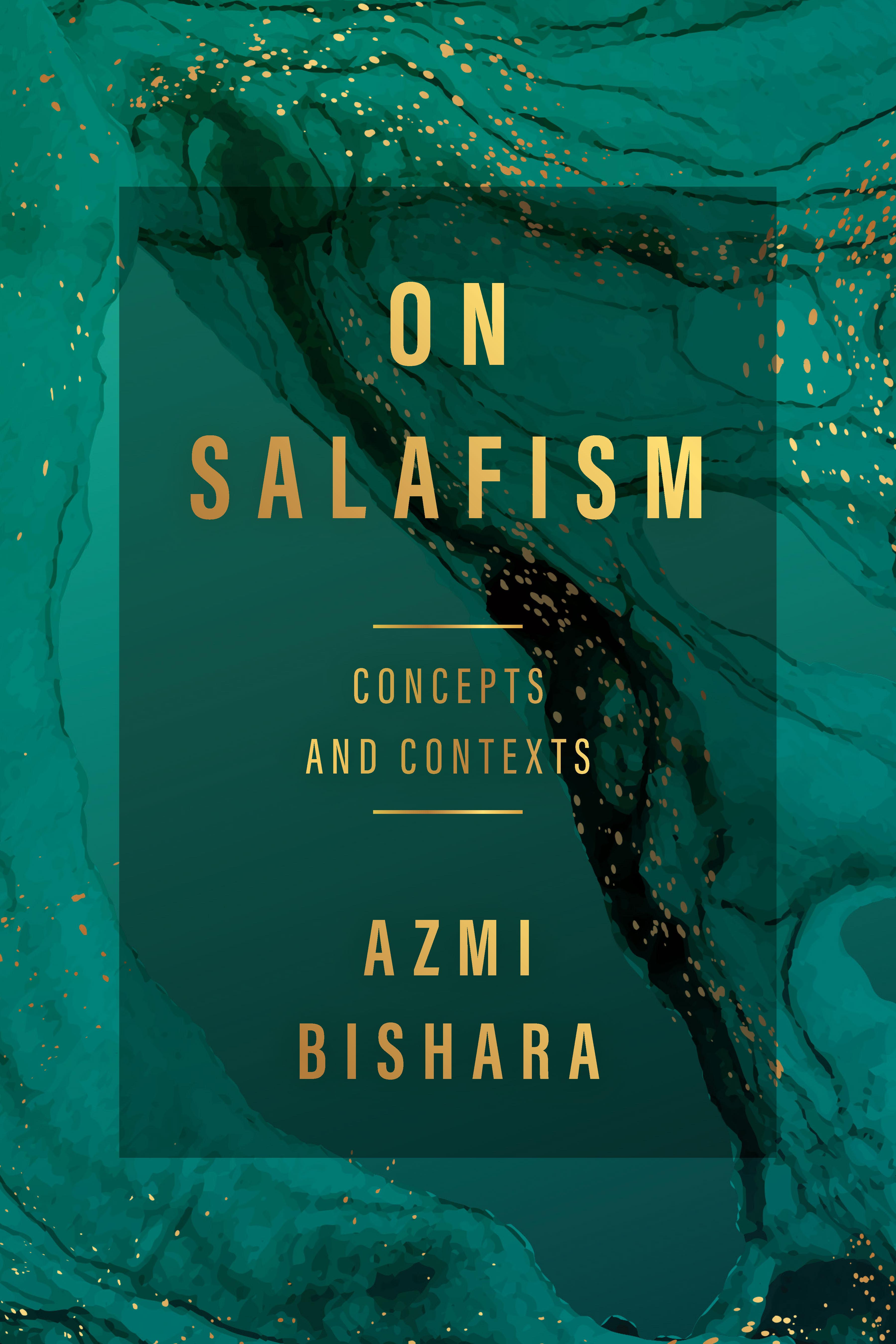
On Salafism offers a compelling new understanding of this phenomenon, both its development and contemporary manifestations. Salafism became associated with fundamentalism when the 9/11 Commission used it to explain the terror attacks and has since been connected with the violence of the so-called Islamic State. With this book, Azmi Bishara critically deconstructs claims of continuity between early Islam and modern militancy and makes a counterargument: Salafism is a wholly modern construct informed by specific sociopolitical contexts.
Bishara offers a sophisticated account of various movements—such as Wahabbism and Hanbalism—frequently collapsed into simplistic understandings of Salafism. He distinguishes reformist from regressive Salafism, and examines patterns of modernization in the development of contemporary Islamic political movements and associations. In deconstructing the assumptions of linear continuity between traditional and contemporary movements, Bishara details various divergences in both doctrine and context of modern Salafisms, plural. On Salafism is a crucial read for those interested in Islamism, jihadism, and Middle East politics and history.
Paga fácilmente con tarjeta, Klarna, Apple Pay o Google Pay. ¿No estás contento? Siempre tienes 14 días de garantía de devolución. Lee más en nuestros términos. Si tienes preguntas, escríbenos a hello@memmo.org.
Memmo hace que estudiar sea más fácil, estés donde estés. Aquí tienes tus libros de texto y herramientas de estudio inteligentes en un solo lugar: resúmenes, quizzes, podcasts y flashcards. Y también a Ted, tu compañero de estudio que responde a todo lo que te preguntes. Más de 50 000 estudiantes ya estudian aquí. Está hecho para que aprendas más rápido y te estreses menos.