
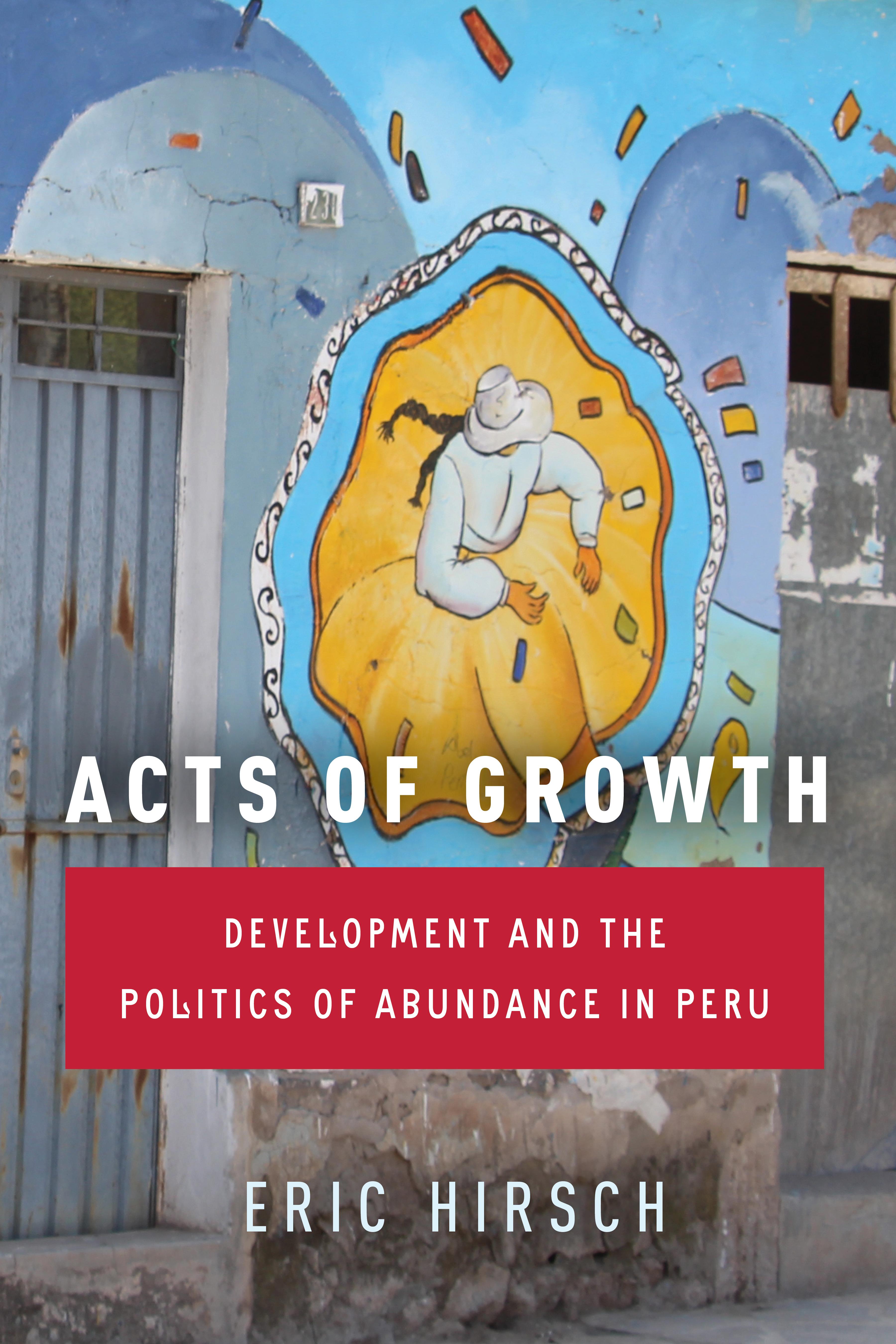
Over the last decade, Peru has experienced a spectacular mining boom and astronomical economic growth. Yet, for villagers in Peru's southern Andes, few have felt the material benefits. With this book, Eric Hirsch considers what growth means—and importantly how it feels. Hirsch proposes an analysis of boom-time capitalism that starts not from considerations of poverty, but from the premise that Peru is wealthy. He situates his work in a network of villages near new mining sites, agricultural export markets, and tourist attractions, where Peruvian prosperity appears tantalizingly close, yet just out of reach.
This book centers on small-scale development investments working to transform villagers into Indigenous entrepreneurs ready to capitalize on Peru's new national brand and access the constantly deferred promise of national growth. That meant identifying as Indigenous, where few actively did so; identifying as an entrepreneur, in a place where single-minded devotion to a business went against the tendency to diversify income sources; and identifying every dimension of one's daily life as a resource, despite the unwelcome intimacy this required. Theorizing growth as an affective project that requires constant physical and emotional labor, Acts of Growth follows a diverse group of Andean residents through the exhausting work of making an economy grow.
Paga fácilmente con tarjeta, Klarna, Apple Pay o Google Pay. ¿No estás contento? Siempre tienes 14 días de garantía de devolución. Lee más en nuestros términos. Si tienes preguntas, escríbenos a hello@memmo.org.
Memmo hace que estudiar sea más fácil, estés donde estés. Aquí tienes tus libros de texto y herramientas de estudio inteligentes en un solo lugar: resúmenes, quizzes, podcasts y flashcards. Y también a Ted, tu compañero de estudio que responde a todo lo que te preguntes. Más de 50 000 estudiantes ya estudian aquí. Está hecho para que aprendas más rápido y te estreses menos.