
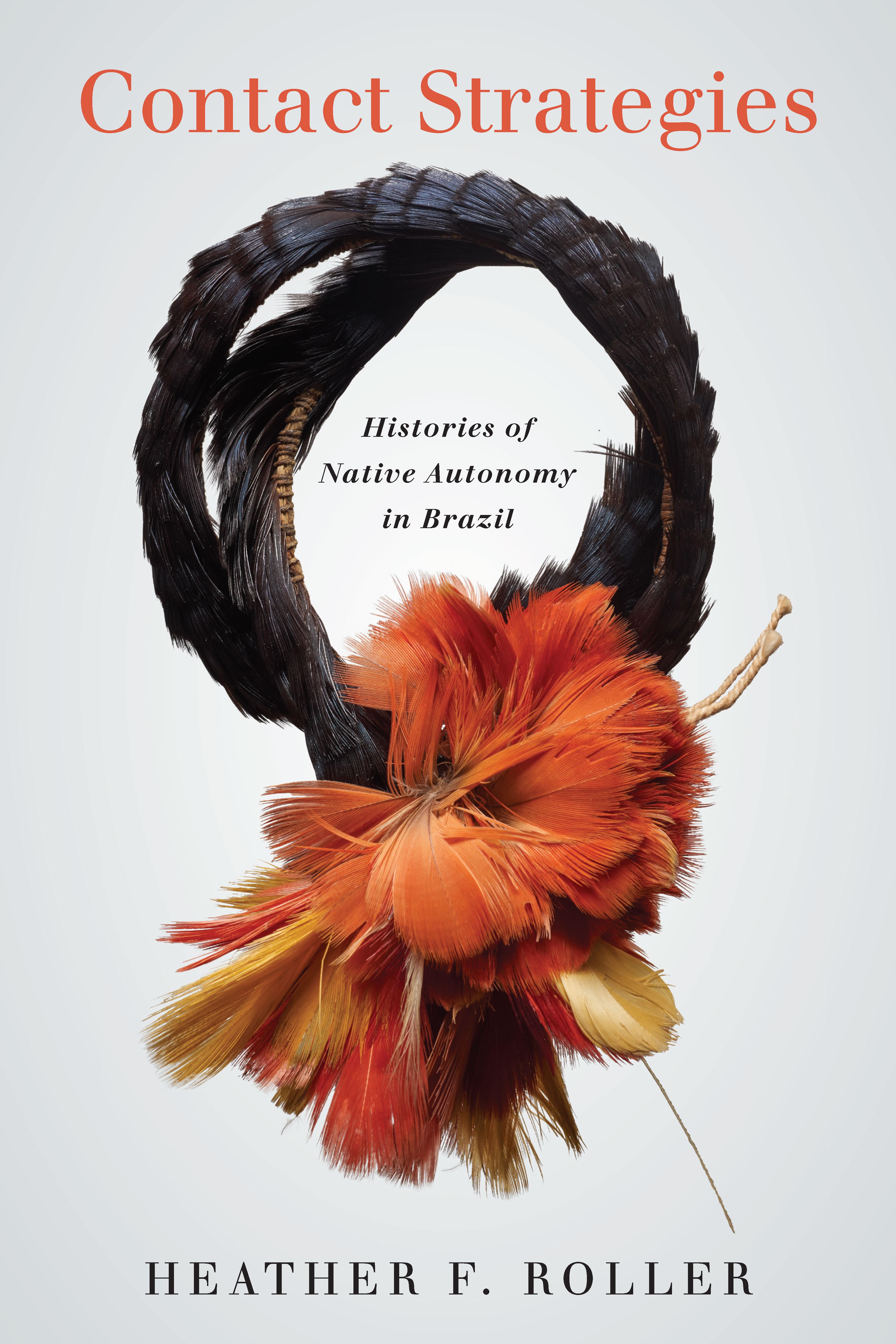
Around the year 1800, independent Native groups still effectively controlled about half the territory of the Americas. How did they maintain their political autonomy and territorial sovereignty, hundreds of years after the arrival of Europeans? In a study that spans the eighteenth to twentieth centuries and ranges across the vast interior of South America, Heather F. Roller examines this history of power and persistence from the vantage point of autonomous Native peoples in Brazil. The central argument of the book is that Indigenous groups took the initiative in their contacts with Brazilian society. Rather than fleeing or evading contact, Native peoples actively sought to appropriate what was useful and potent from outsiders, incorporating new knowledge, products, and even people, on their own terms and for their own purposes.
At the same time, autonomous Native groups aimed to control contact with dangerous outsiders, so as to protect their communities from threats that came in the form of sicknesses, vices, forced labor, and land invasions. Their tactical decisions shaped and limited colonizing enterprises in Brazil, while revealing Native peoples' capacity for cultural persistence through transformation. These contact strategies are preserved in the collective memories of Indigenous groups today, informing struggles for survival and self-determination in the present.
Paga fácilmente con tarjeta, Klarna, Apple Pay o Google Pay. ¿No estás contento? Siempre tienes 14 días de garantía de devolución. Lee más en nuestros términos. Si tienes preguntas, escríbenos a hello@memmo.org.
Memmo hace que estudiar sea más fácil, estés donde estés. Aquí tienes tus libros de texto y herramientas de estudio inteligentes en un solo lugar: resúmenes, quizzes, podcasts y flashcards. Y también a Ted, tu compañero de estudio que responde a todo lo que te preguntes. Más de 50 000 estudiantes ya estudian aquí. Está hecho para que aprendas más rápido y te estreses menos.